No threat found after bomb scare diverts Austrian Airlines flight carrying 57 from Tel Aviv to Sofia
Source Entity
Latest News: Todays Latest News Headlines from India & World | Hindustan Times | Hindustan Times
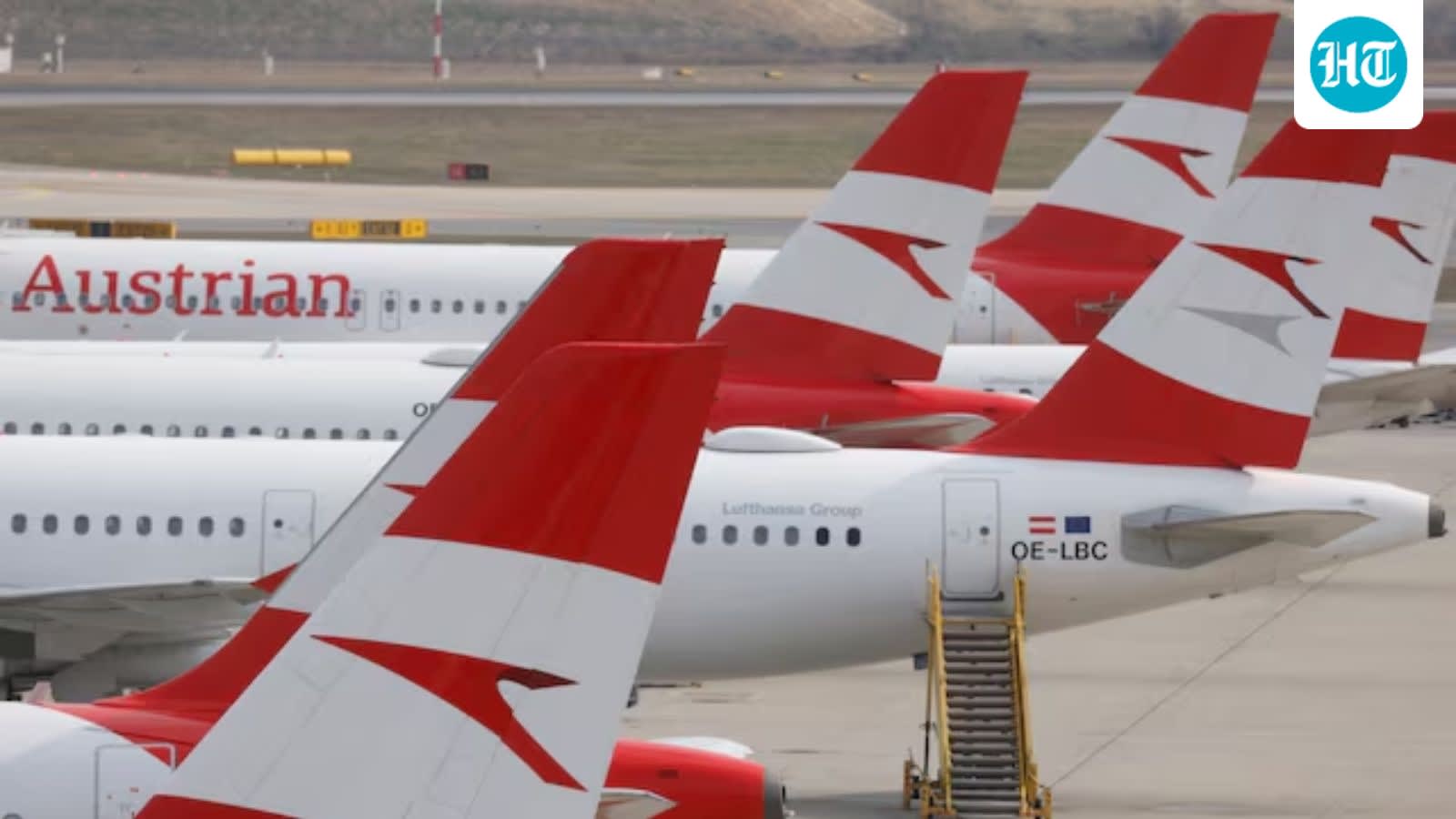
An Austrian Airlines flight from Tel Aviv to Vienna was forced to make an emergency landing in Sofia, Bulgaria, following a bomb threat. All 51 passengers and six crew members were safely evacuated after being escorted by Bulgarian fighter jets.
Emergency Diversion Amidst Heightened Security Concerns
An Austrian Airlines flight, operating as OS82, was forced to execute an emergency landing in Sofia, Bulgaria, on Sunday night following a reported bomb threat. The Airbus A320, which was en route from Tel Aviv to Vienna, initiated its diversion near the Romanian border after the crew received a security alert. The swift response from Bulgarian authorities ensured that the aircraft landed safely, with all 51 passengers and six crew members evacuated without injury.
The Role of Air Defense and Safety Protocols
In response to the potential threat, the Bulgarian air force took immediate action by scrambling a MiG-29 fighter jet to escort the commercial airliner into Sofia Airport. This procedure, while standard in aviation security protocols, underscores the gravity with which European airspace authorities treat credible threats against passenger aircraft. The coordination between the flight crew and Bulgarian transport officials allowed for a controlled landing, mitigating risks to the individuals on board and maintaining the integrity of the flight path.
Investigating the Source of the Threat
Following the safe evacuation of the aircraft, an official investigation was launched to identify the origin and credibility of the bomb threat. Bulgarian and Israeli media reports suggest the alert was anonymous, a tactic that complicates security efforts by forcing authorities to assume the worst-case scenario to protect life. The Bulgarian Ministry of Transport and Communications confirmed that the aircraft underwent a thorough security inspection, a mandatory step following any such emergency declaration.
A Pattern of Volatility in Regional Aviation
This incident arrives during a period of heightened concern regarding aviation security in the Middle East and surrounding corridors. The event follows a recent, unrelated incident involving a Flydubai flight, where a pilot was incapacitated by a crew member and passengers after an attempted hijacking en route to Tel Aviv. While these two events differ in nature—one being a bomb threat and the other a direct physical confrontation—they reflect an increasingly fragile security environment for flights operating in and out of the region.
Broader Implications for Air Travel Security
The diversion of flight OS82 highlights the resilience of international aviation safety protocols. Despite the panic and logistical challenges inherent in an emergency landing in a foreign country, the system performed as designed. As global aviation continues to face evolving threats, the reliance on rapid communication between pilots, air traffic control, and national defense units remains the primary defense against potential disaster. Future trends in aviation security will likely see an increase in digital threat verification and even tighter screening processes for flights originating from high-risk zones.
Conclusion
The successful resolution of the Austrian Airlines emergency in Sofia stands as a testament to the effectiveness of international cooperation in aviation safety. While the investigation into the anonymous bomb threat continues, the primary achievement remains the preservation of human life. As security agencies analyze the incident, the focus will remain on enhancing the ability to distinguish between hoaxes and genuine threats, ensuring that the skies remain a secure space for international travel.
Multiple Citing Sources
Verification Required?