India-US trade deal ‘taken into account’ to waive Russia oil sanctions: Marco Rubio
Source Entity
Ravi Dutta Mishra
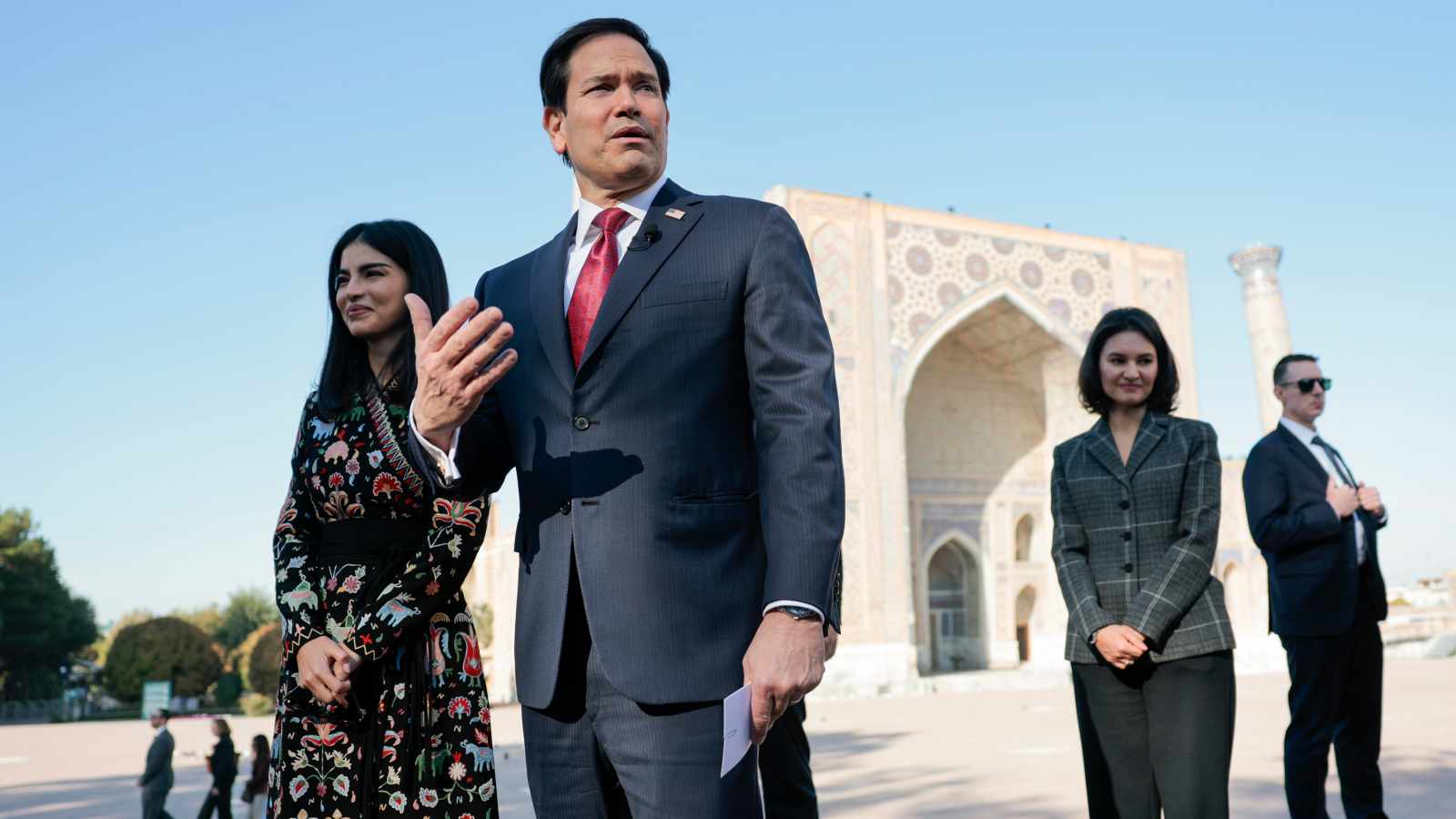
President Trump has issued a waiver for the Graham Act, delaying sanctions on Russian energy imports to stabilize global markets and protect key trade relationships. Secretary of State Marco Rubio confirmed this decision was influenced by ongoing India-US trade negotiations and global price volatility.
The Strategic Pivot: Trump’s Graham Act Waiver
In a significant shift of geopolitical strategy, US President Donald Trump has utilized his executive authority to waive the punitive provisions of the Lindsey O. Graham Sanctioning Russia and Iran Act of 2026. Signed into law only four weeks prior, the Act was originally designed to cripple the Russian energy sector by imposing strict tariffs on nations that continued to purchase Russian oil and natural gas. By suspending these provisions just days before they were set to take effect, the administration has signaled a pivot from strict legislative enforcement to a more flexible approach driven by immediate economic realities.
Economic Pressures and Global Supply Chains
The decision to grant these waivers appears to be rooted in the mounting pressure on global energy markets. As noted by Secretary of State Marco Rubio, the administration had to weigh the intent of the sanctions against the broader impact on global supply chains and consumer prices. With diesel and energy costs surging—not only within the United States but also across international markets—the administration recognized that aggressive enforcement of the Graham Act threatened to exacerbate inflationary pressures globally, forcing a recalibration of their foreign policy stance.
The India-US Trade Nexus
A critical component of this policy reversal is the ongoing negotiation of the India-US trade deal. Secretary Rubio explicitly stated that the potential impact on this bilateral agreement was a factor in the decision to waive sanctions. India’s continued reliance on energy imports makes it a key stakeholder in the enforcement of such acts; by granting a waiver, the US creates a more stable environment for finalizing trade terms. This move underscores the administration's recognition that punitive measures against partners can inadvertently hinder broader strategic and economic cooperation.
Legislative Oversight and the 60-Day Review
Despite the immediate waiver, the administration’s path forward remains subject to rigorous scrutiny. Marco Rubio has confirmed that a 60-day review period is in place, signaling that this is not necessarily a permanent abandonment of the Graham Act’s objectives but rather a tactical pause. This review will likely serve as a barometer for both the efficacy of the sanctions and the progress of the India-US trade deal, as well as an assessment of how global oil prices respond to the temporary relief.
Implications for Future Foreign Policy
The current situation highlights the intricate dance between domestic energy policy and international diplomacy. The administration’s willingness to pause the Graham Act demonstrates a recognition of the limits of economic warfare when it clashes with the necessity of maintaining stable, affordable energy supplies. As the US moves toward upcoming midterm elections, the ability to balance these competing interests will be crucial. The upcoming visit of Secretary Rubio to Mumbai to meet with External Affairs Minister S. Jaishankar will be a defining moment in determining the trajectory of these trade discussions and the long-term application of the Graham Act.