Gurugram’s stilt+4 row: 32,000 approvals in 7 years, Haryana opposes construction freeze
Source Entity
Abhimanyu Hazarika
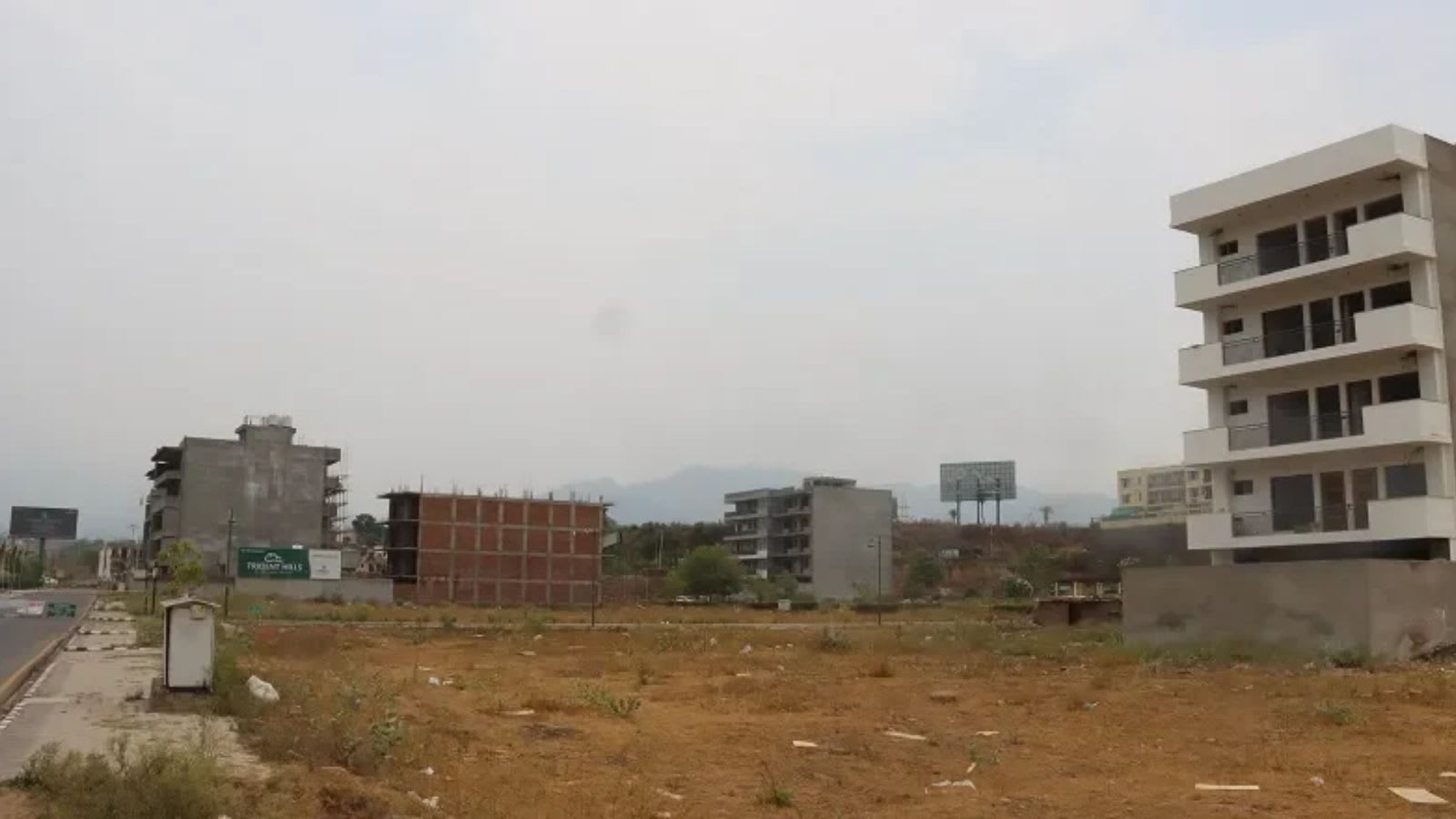
The Haryana government has defended its stilt-plus-four housing policy in court, citing over 32,000 sanctioned approvals. Despite opposition from residents regarding infrastructure strain, the state insists the policy is essential for urban development.
The Stilt-Plus-Four Controversy: Urban Expansion vs. Infrastructure
The urban landscape of Gurugram has become the focal point of a significant legal and administrative battle as the Haryana Department of Town and Country Planning (DTCP) defends its stilt-plus-four (S+4) construction policy. With over 32,000 residential plots sanctioned for this specific vertical growth model over the last seven years, the state government is firmly pushing back against calls for a construction freeze. This policy, which permits four floors atop a stilt parking area, has fundamentally altered the city's skyline and density metrics.
Legal Defense and Administrative Stance
In a recent affidavit submitted to the Punjab and Haryana High Court, the DTCP clarified its position regarding the ongoing legal challenges. The department has explicitly opposed a plea that sought an immediate halt to both active construction projects and the issuance of occupation certificates (OCs). By providing concrete data on the 32,000 approvals, the government aims to demonstrate that these projects were authorized under established regulatory frameworks rather than being rushed, effectively disputing allegations of administrative negligence following the policy's July 2024 revival.
The Friction Between Development and Livability
The core of the conflict lies in the disconnect between rapid vertical expansion and the city's existing infrastructure capacity. While the S+4 model was designed to accommodate a burgeoning population in a constrained land market, it has triggered widespread protests from Residents’ Welfare Associations (RWAs). These groups argue that the sudden increase in housing units per plot places an unsustainable burden on essential services, including drainage systems and public parking facilities.
Structural and Social Implications
Beyond the logistical concerns, residents have raised alarm over potential structural damage to adjacent properties caused by high-density construction in established neighborhoods. The fear is that the city's aging or limited civic infrastructure cannot support the increased occupancy brought about by these four-floor additions. This tension highlights the broader challenge of urban planning in India’s rapidly growing satellite cities, where the demand for modern housing often outpaces the development of supporting public utilities.
Future Trends and Judicial Oversight
As the Punjab and Haryana High Court continues to review the matter, the outcome will likely set a precedent for urban development policies across Haryana. The state’s insistence on continuing the policy suggests a commitment to vertical growth as a solution to housing shortages. However, the intensity of the pushback from local communities indicates that future urban projects may require more rigorous environmental impact assessments and infrastructure upgrades before approvals are granted, ensuring that growth does not come at the cost of resident quality of life.