#circular economy funding
Discover 6 curated intelligence briefings related to this specific topic.

The Nitrogen Lie
Synthetic fertilizers are no longer the engine of growth; they are a biological debt. From the Mekong Delta to the highlands of Ethiopia, the high-input model is collapsing under its own weight.
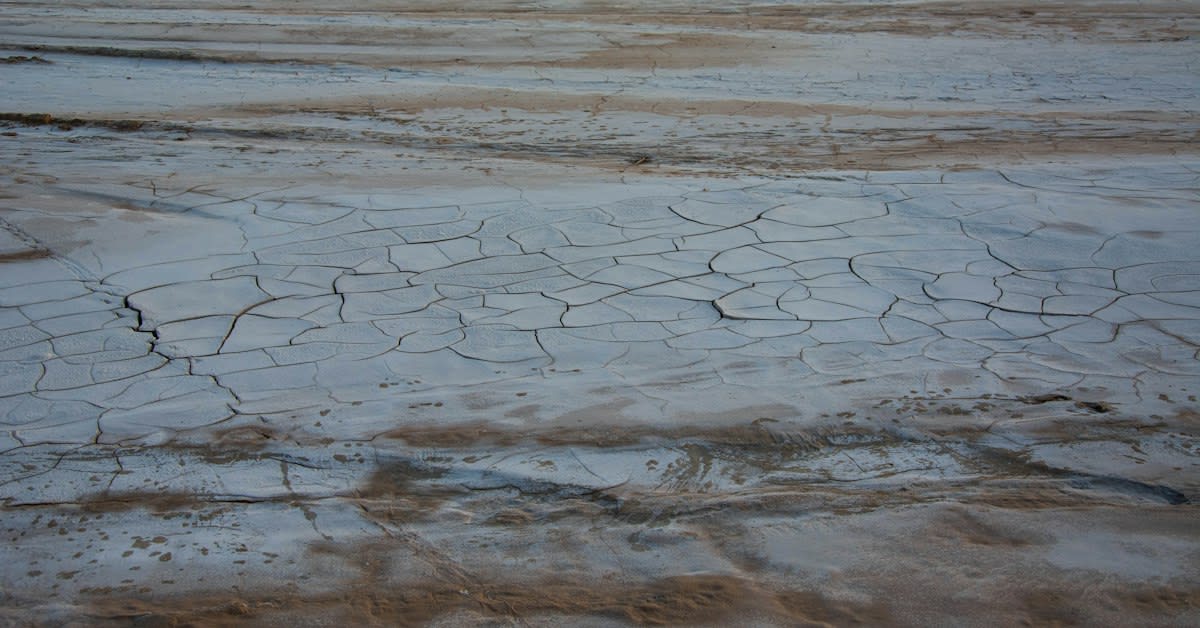
White Dust Rising
Salt storms are accelerating across emerging hubs, turning fertile soil into silica-dry wastes and triggering an agricultural crisis in the Global South.

The Calorie Trap: Why the Global North is Finally Rediscovering Forgotten Seeds
For decades, global agriculture has chased a single metric: yield. In doing so, we created a systemic vulnerability. Now, strategic analysts and farmers are pivoting toward 'forgotten crops'—ancestral seeds that offer the only viable hedge against the next great famine.
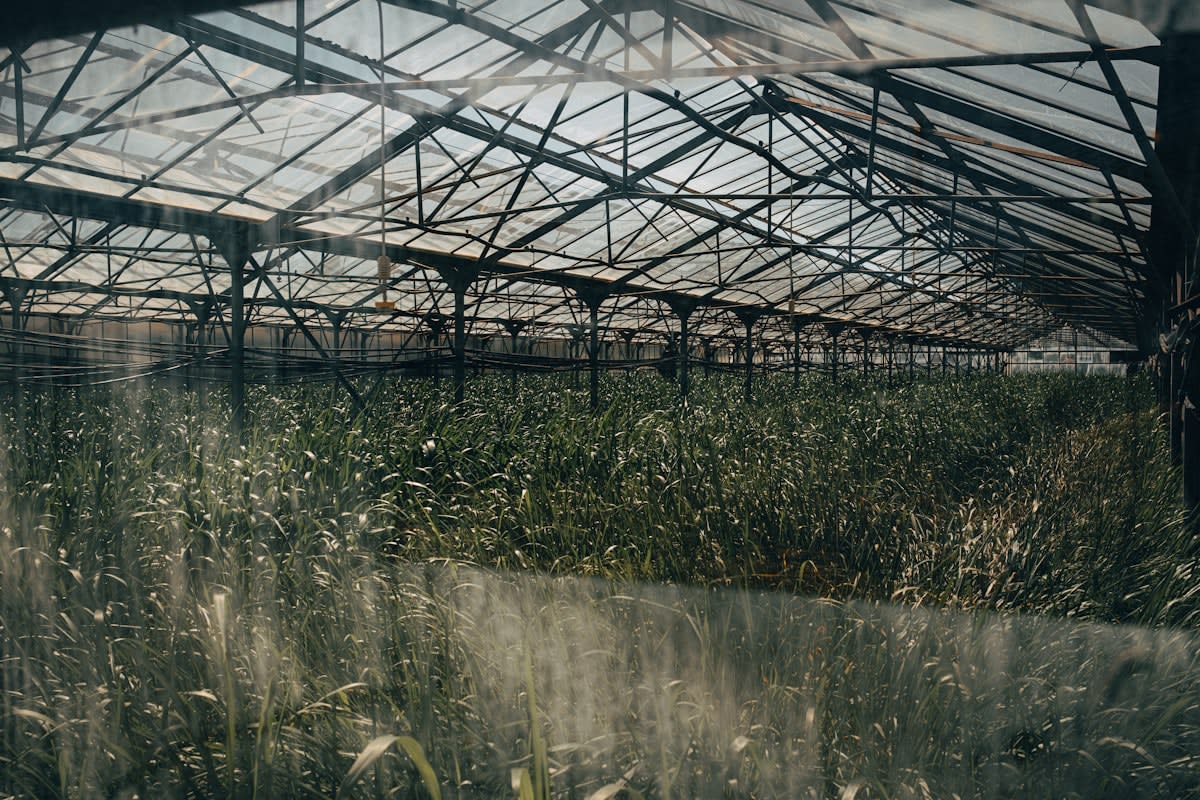
Crop Fields are Replacing Steel Bioreactors
The bio-manufacturing industry is hitting a physical limit with stainless steel fermentation. Molecular farming offers a way out by using plants as bioreactors, drastically reducing CAPEX and enabling rapid scale-up, particularly in agricultural hubs like the Indian Subcontinent.

Sovereign Resource Desperation Masks Industrial Inertia
From Port Kembla's silicon anodes to the US Department of Energy's coal-waste mining, the race for critical minerals is a high-stakes gamble on outdated infrastructure and experimental biology.

Who Actually Profits from Circularity?
From NSW agriculture grants to US nuclear dead-ends, the label of circularity is masking a fragmented approach to systemic waste and state-funded industrial policy.