The Steel Ceiling
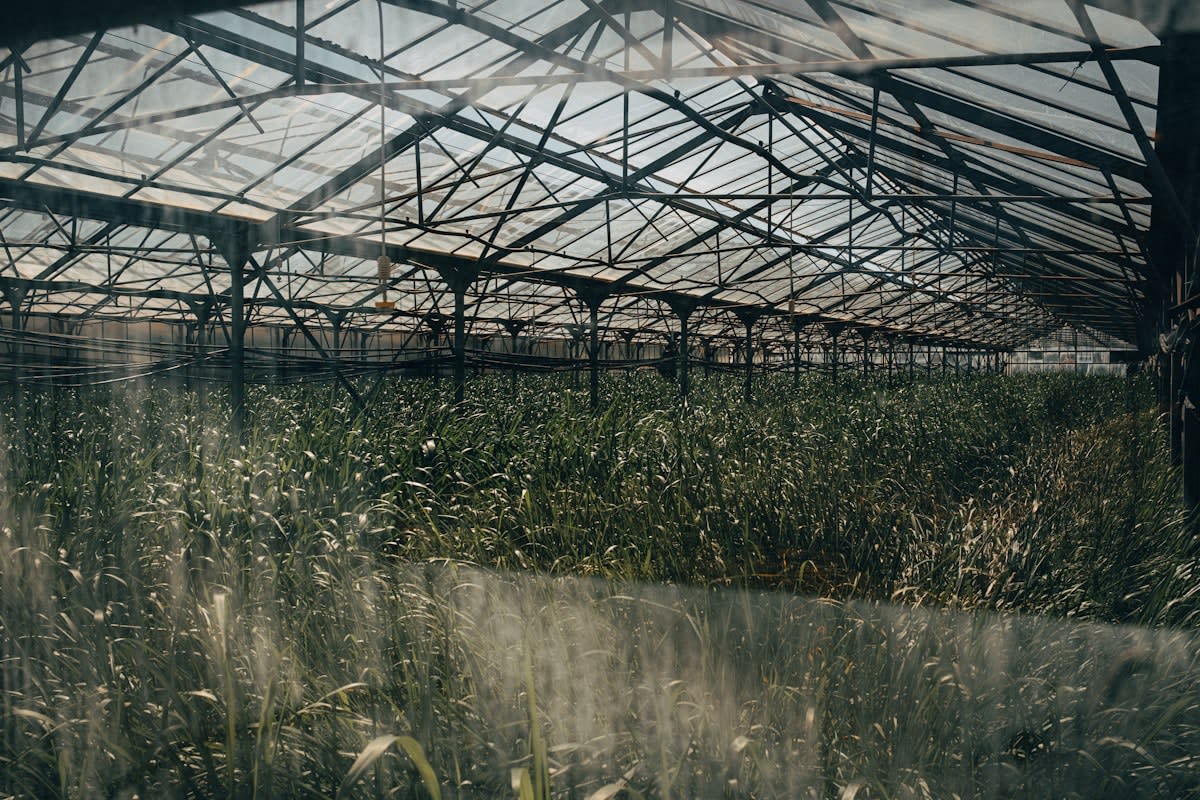
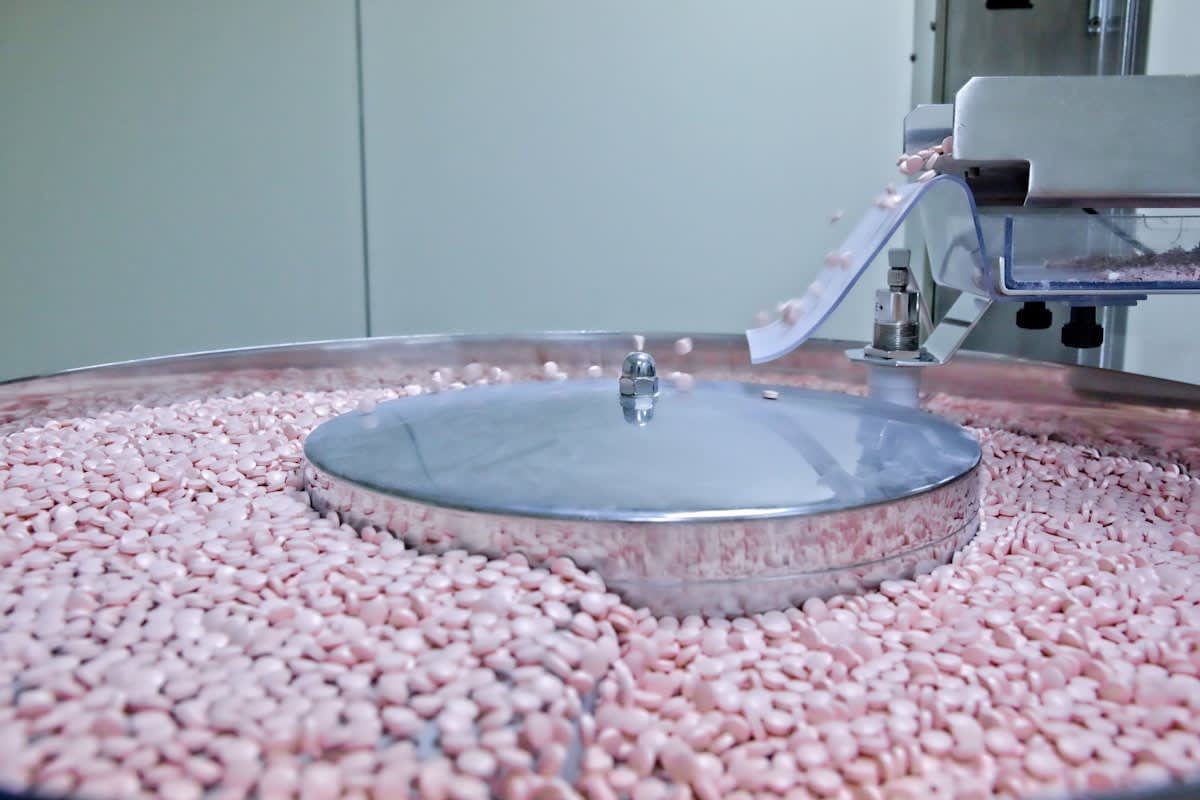
For decades, the gold standard for producing complex proteins has been the stainless steel bioreactor. These massive tanks, filled with genetically engineered yeast or CHO cells, require extreme precision in temperature, pH, and oxygenation. The problem is that scaling this technology is linear and prohibitively expensive. To double your output, you essentially have to double your footprint of expensive steel and energy-intensive cooling systems. This creates a financial bottleneck that keeps many life-saving proteins and sustainable alternatives trapped in the lab.
The capital expenditure required to build a commercial-scale fermentation plant often reaches hundreds of millions of dollars before a single gram of product is sold. This financial risk makes investors hesitant and slows the deployment of new bio-manufactured goods. Furthermore, the energy requirements for maintaining sterile environments in these tanks are staggering. The industry has spent years trying to optimize the efficiency of the tank, but the physics of fluid dynamics and heat transfer in 20,000-liter vessels provide a hard limit on how fast we can scale.
Fields as Bio-Factories
Molecular farming flips the script by using the plant itself as the bioreactor. Instead of building a tank, scientists insert the genetic instructions for a target protein into the genome of a plant, such as tobacco or soy. The plant then uses sunlight, water, and carbon dioxide to synthesize the protein within its leaves or seeds. This process removes the need for sterile steel environments and constant energy inputs. Scaling no longer requires a construction crew; it requires more seeds and more land.
The efficiency gains are astronomical when compared to traditional methods. A single acre of genetically optimized crops can produce the same amount of target protein as several thousand liters of fermentation broth. Because plants are naturally scalable, the transition from a pilot study to global production can happen in a single growing season. This removes the years of construction and validation typically required for new bio-manufacturing facilities.
"We are moving from a world where we build factories to a world where we plant them. The biology does the heavy lifting, and the sun provides the energy."— Industry Lead, AgBio Systems
Recent advancements in CRISPR and transient expression systems have solved the primary hurdle of the last decade: yield. By using viral vectors to deliver genetic instructions to plants, researchers can now trigger massive protein production in a matter of days. This allows for a rapid response to emerging needs, such as vaccine production during a pandemic. The ability to rapidly iterate on the genetic code and deploy it across thousands of hectares changes the speed of bio-manufacturing from years to months.
| Metric | Precision Fermentation | Molecular Farming |
|---|---|---|
| CAPEX | Extreme (Steel/Cleanrooms) | Low (Agricultural Land) |
| Scalability | Linear/Slow | Exponential/Fast |
| Energy Source | Electrical Grid | Solar/Photosynthesis |
| Lead Time | 2-5 Years | 1 Growing Season |
While the upstream production is simplified, the challenge shifts to downstream processing. Extracting and purifying the protein from plant biomass requires sophisticated filtration and chromatography. However, the cost of these purification steps is far lower than the cost of building and maintaining a massive fermentation plant. The industry is now focusing on optimizing these extraction methods to ensure that the final product meets pharmaceutical purity standards.
The Subcontinent's Strategic Edge
India is uniquely positioned to lead this transition due to its massive agricultural infrastructure and expertise in crop science. Regions like Punjab and Haryana, which have historically focused on high-yield wheat and rice, could become the global hubs for protein production. By integrating molecular farming into existing farming cycles, India can move up the value chain from exporting raw commodities to exporting high-value recombinant proteins. This transition offers a way to increase farmer income while diversifying the national economy.
The Indian government's focus on biotechnology and the existing network of agricultural universities provide a fertile ground for this technology. If the regulatory framework for genetically modified organisms is modernized to distinguish between food crops and bio-manufacturing crops, the speed of adoption could be unprecedented. The ability to produce insulin, antibodies, or growth factors in fields across the subcontinent would decentralize the global supply of essential medicines.
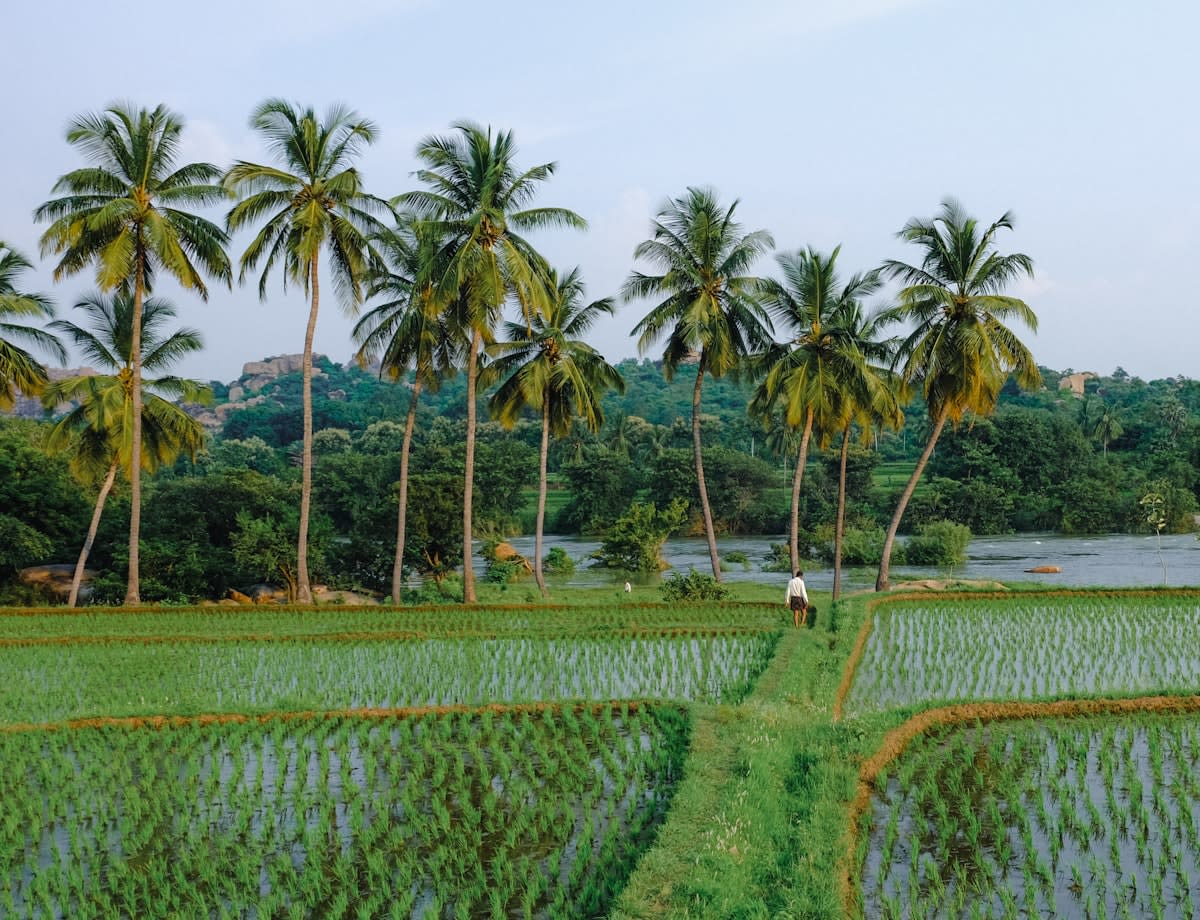
Localizing production in the Indian Subcontinent would also mitigate the risks of global supply chain shocks. Currently, most high-value proteins are produced in a handful of specialized facilities in the US, Europe, and China. By distributing production across thousands of acres of farmland, the world gains a more resilient biological infrastructure. This is not just an economic win but a matter of global health security.
The Six-Month Delta
The shift in momentum has been stark over the last six to twelve months. In 2023, the narrative was dominated by the struggle to scale precision fermentation, with several high-profile startups failing to move beyond the pilot plant phase. By early 2024, venture capital has begun flowing toward molecular farming companies that demonstrate a path to scale without the need for massive steel infrastructure. The focus has shifted from the efficiency of the cell to the efficiency of the field.
Estimated Cost per Gram of Recombinant Protein (2023 vs 2024)
Executive Insight
+18.4%
YTD Growth
This delta is driven by a realization that the cost of capital is too high for the traditional bio-manufacturing model. When interest rates rise, the multi-year construction timeline of a fermentation plant becomes a liability. Molecular farming, with its low CAPEX and rapid deployment, is far more attractive in the current economic climate. We are seeing a rapid migration of intellectual property from yeast-based platforms to plant-based platforms.
The Containment Hurdle
The primary risk remains biocontainment. Ensuring that genetically modified bio-manufacturing plants do not cross-pollinate with wild relatives or food crops is the central regulatory challenge for the industry.
As the technology matures, the focus will move toward specialized crops that can be grown in controlled environments or non-food species to avoid contamination. The use of tobacco, which is not a food crop, has already proven successful for vaccine production. The next step is to optimize these systems for a wider array of proteins, from collagen for cosmetics to complex enzymes for industrial use.
Ultimately, the speed of scaling is the only metric that matters in a competitive global market. By removing the steel bottleneck, molecular farming allows the bio-economy to move at the speed of agriculture rather than the speed of construction. This transition is not just a technical improvement; it is a fundamental reorganization of how the world produces the building blocks of life.