#neuromorphic computing
Discover 13 curated intelligence briefings related to this specific topic.
The Glass Ceiling of Gigaflops
Digital AI has hit a power wall. As gigaflops-per-joule gains flatten, a grit-toothed race begins to replace silicon with optical, neuromorphic, and biological substrates.

The Silicon Mirror: Mimicry at Scale
An investigation into the energy costs and hardware bottlenecks of neuromorphic mimicry in the Global South's server infrastructure.
The Silicon Lobotomy: Surviving the Shift to Neuromorphic Hardware
A 12-core neuromorphic chip in a lab in Hsinchu just processed a visual stream at 1/1000th the power of a GPU. The energy wall is not a metaphor; it is a physical limit that traditional architectures cannot climb.
Beyond the Charge: The Altermagnetic Surge and the New Era of Spin Computing
The computing world is hitting a physical wall. While traditional silicon relies on moving electrical charges, a global shift toward spintronics—specifically the recent discovery of altermagnetism—is promising a future of ultra-low energy AI and hardware that mimics the human brain.
The End of the Heartbeat: Why Event-Driven Silicon is Killing the Von Neumann Clock
For decades, the global computing industry has been enslaved to the clock. But a systemic shift toward event-driven, neuromorphic silicon is dismantling the von Neumann bottleneck, replacing constant processing with an architecture where computation happens in-place, driven by physics rather than timing.

The Decentralized Mind: Why the Octopus is the Blueprint for the Next Evolution of Intelligence
The octopus doesn't just challenge our understanding of biology; it threatens the very foundation of how we define consciousness. By operating through a distributed nervous system, these creatures offer a glimpse into a non-centralized intelligence that could redefine the future of AI.

Intelligence Is a Cognitive Anchor
In high-stakes volatility, the ability to analyze complex data becomes a hindrance. The intellectual drive for optimization creates a fatal lag between perception and action, transforming cognitive assets into operational liabilities.
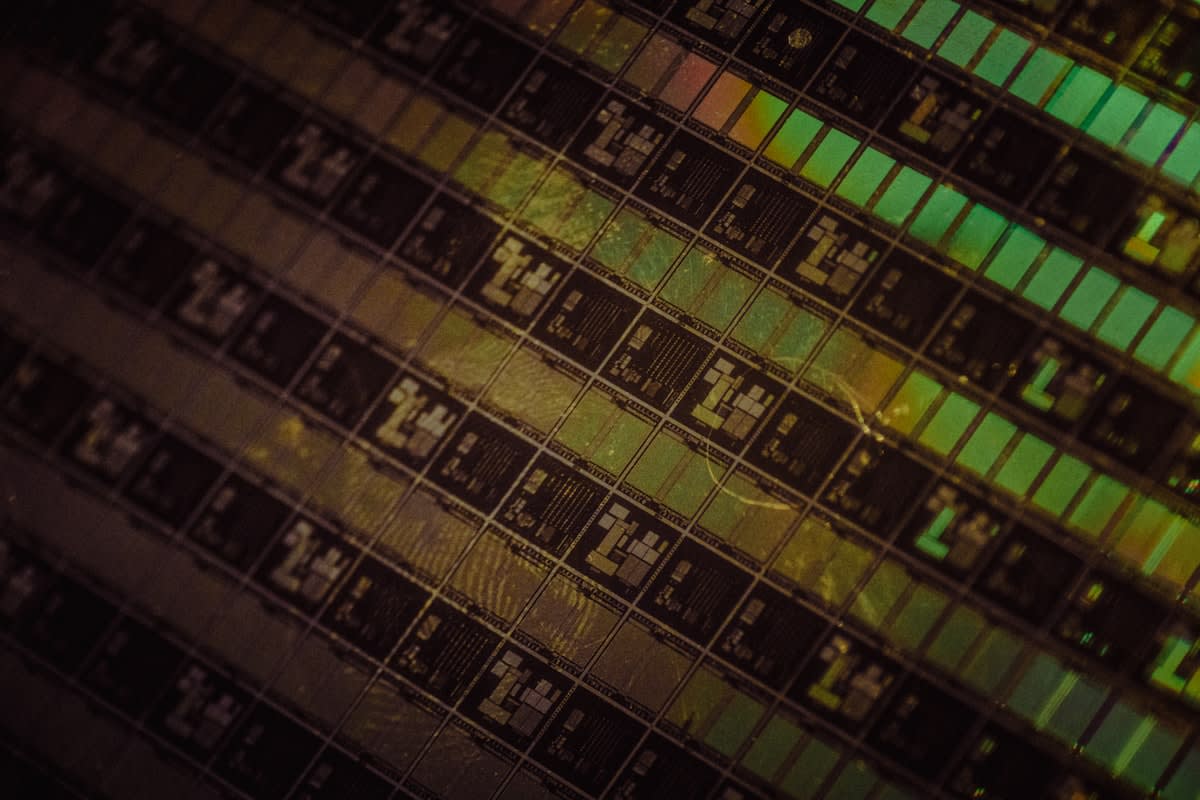
Photonic Spiking Networks Are Killing the GPU Energy Monopoly
The AI energy crisis is not a capacity problem, but a physics problem. Optical Spiking Neural Networks (OSNNs) are emerging as the solution by replacing power-hungry electrons with event-driven photons, slashing energy requirements by orders of magnitude.

Nature's Design Outperforms Silicon in Micron-Scale Fabrication
A technical deep dive into deploying bio-mimetic sensors in high-precision environments, focusing on the transition from capacitive sensing to neuromorphic tactile architectures in industrial hubs like Bengaluru and Pune.

The Softness Shift: Bio-Inspired Robotics and the End of Rigid Surgery
The medical robotics industry is undergoing a fundamental transformation this month. By abandoning the rigidity of traditional steel for the compliance of magnetic hydrogels and neuromorphic computing, engineers are finally solving the problem of navigating the chaotic, soft environment of the human body.
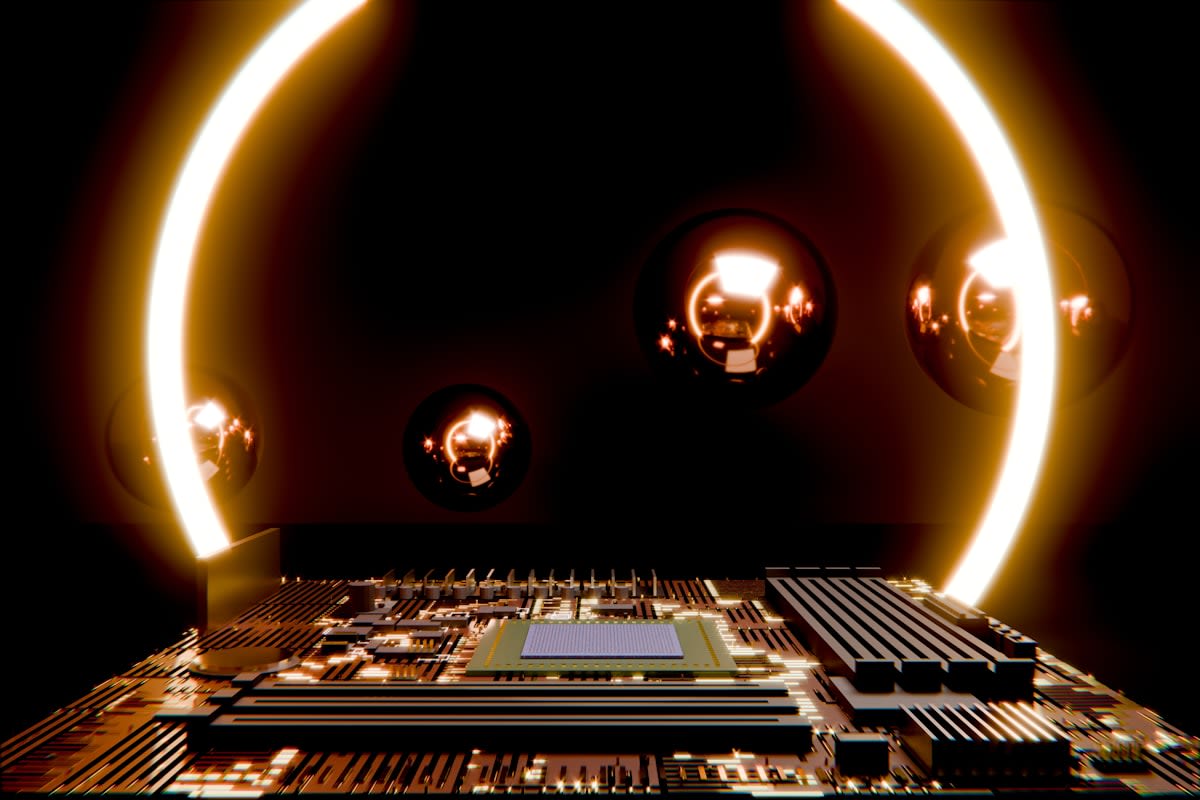
The Speed of Light Logic: How Optical Spiking Neural Networks are Ending the GPU Bottleneck
The AI industry is transitioning from a brute-force GPU era to a sophisticated 'Speed of Light' logic. With NVIDIA reporting $81.61 billion in Q1 FY2027 revenue and Alphabet projecting capex up to $190 billion, the energy costs of electronic computing have become unsustainable. From China Mobile's integrated photonic entanglement to Anthropic's custom silicon pivot with Samsung, the world is moving toward a future where light, not electricity, carries the cognitive load.
Neuromorphic Hardware Ends the Robotic Energy Crisis
Optical spiking neural networks and bio-inspired swarm intelligence are slashing the power requirements for autonomous robots, moving intelligence from energy-hungry data centers to the physical edge.
Probabilistic Hardware Ends GPU Energy Hegemony
New probabilistic hardware and organoid intelligence are dismantling the energy-intensive GPU model. With data centers projected to consume 10% of US energy by 2030, a radical transition to brain-inspired computing is no longer optional—it is a requirement for survival.