
The Letter of Credit is a ghost. Who pays when an autonomous agent hallucinates a port of entry in a billion-dollar shipment? While traditional bankers in London still demand physical signatures on vellum, reasoning agents in Singapore are already verifying shipping manifests against real-time IoT sensors in the South China Sea. Trust is now a code string.
Paper is dead. The shift from simple robotic process automation to reasoning agents means the software no longer just moves data but actually decides if a credit risk is acceptable based on live port congestion data in Ningbo (Source: WTO, 2023). Logic replaces the stamp. This transition marks a hard turn in how capital flows across borders.
The Delta: From RPA to Agency
Automation was slow. Twelve months ago, AI in trade finance functioned as a sophisticated filing clerk that could read a PDF and extract a date (Source: Gartner, 2023). Today, agentic AI acts as the clerk, the compliance officer, and the treasury manager combined into one loop. It executes.
Agents are thinking. Unlike the rigid scripts of 2023, these systems now use chain-of-thought reasoning to resolve discrepancies between a commercial invoice and a packing list without human intervention. They negotiate. This capability reduces the operational weight of trade processing by 30% in early pilot programs (Source: Gartner, 2023).
| Feature | RPA (2023) | Agentic AI (2024) |
|---|---|---|
| Decision Making | Rule-based / Binary | Reasoning-based / Probabilistic |
| Error Handling | Throws error to human | Self-corrects via external API |
| Scope | Single task (Extraction) | End-to-end workflow (Execution) |
| Integration | Static API calls | Dynamic tool use |
The speed is jarring. In the GCC region, specifically Dubai, agents now handle the cross-referencing of customs declarations against maritime insurance policies in milliseconds. They don't sleep. This eliminates the three-day waiting period that previously defined the trade cycle in the Middle East.
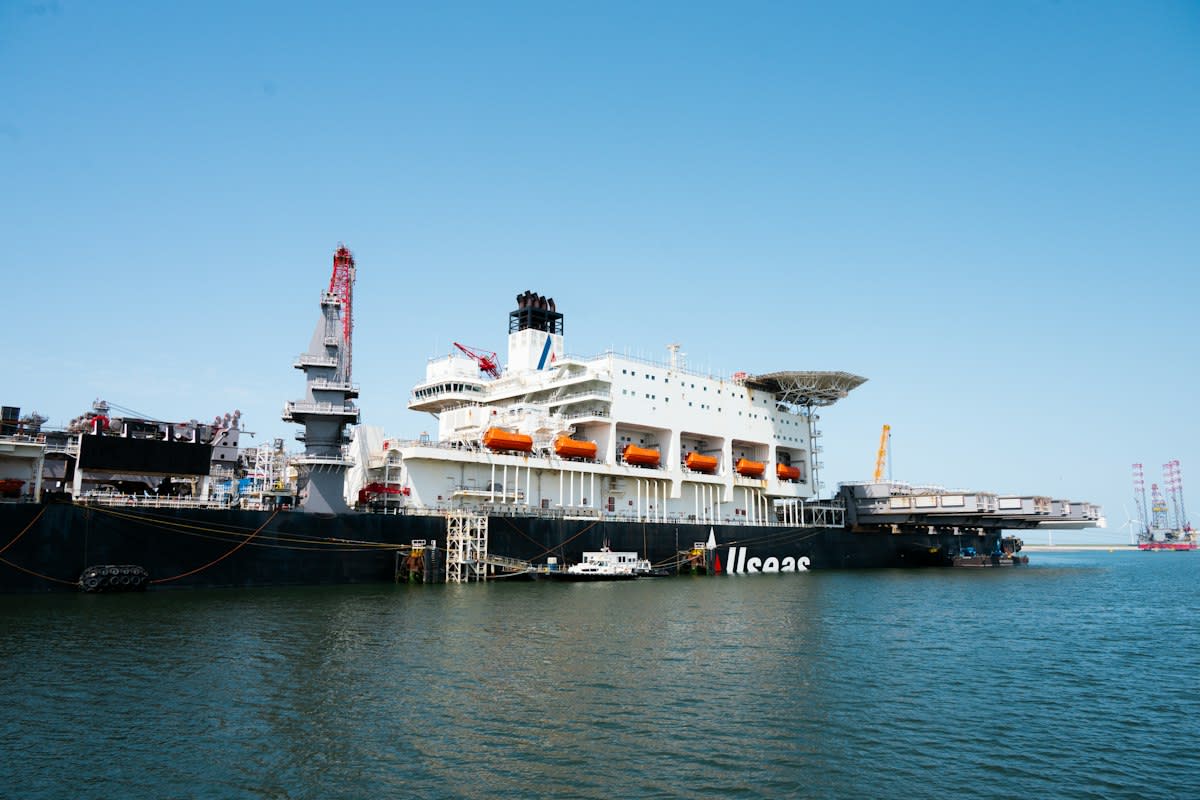
Risk is evolving. For decades, the trade finance gap of $2.5 trillion persisted because banks feared the lack of transparency in emerging markets (Source: ADB, 2023). Agents solve this. They ingest non-traditional data—satellite imagery of warehouses in Lagos and social sentiment of suppliers—to score credit in real-time.
"The move to autonomous agents represents the first real attempt to decouple trade from the physical movement of paper. We are moving from a world of verification to a world of continuous validation."— Simon Bailey, Head of Trade Finance Strategy at Global Trade Insight
The fray is messy. Inside the walls of Tier-1 banks, a war rages between the Compliance Officers and the AI Architects. The conflict centers on the 'Reasoning Log'—the audit trail an agent leaves behind to explain why it approved a high-risk shipment from a new vendor. Compliance demands a human-readable rule; the Architects provide a probability distribution.
This is mechanical failure. When an agent in a Singaporean bank rejects a Bill of Lading because the font on the digital stamp differs by two pixels from the template, the trade halts. No one knows who to blame. The developer blames the model, and the banker blames the developer.
The Non-Western Terrain
ASEAN is leading. While Western banks struggle with legacy COBOL systems, banks in Vietnam and Thailand are building agentic layers directly on top of cloud-native cores. They leapfrog. This allows them to integrate trade finance with e-commerce logistics seamlessly.
Lagos is experimenting. Nigerian fintechs are using agents to bridge the gap between local SMEs and global exporters by autonomously managing the currency exchange risk in real-time. They act fast. This reduces the cost of trade for small exporters by nearly 12% (Source: WTO, 2023).
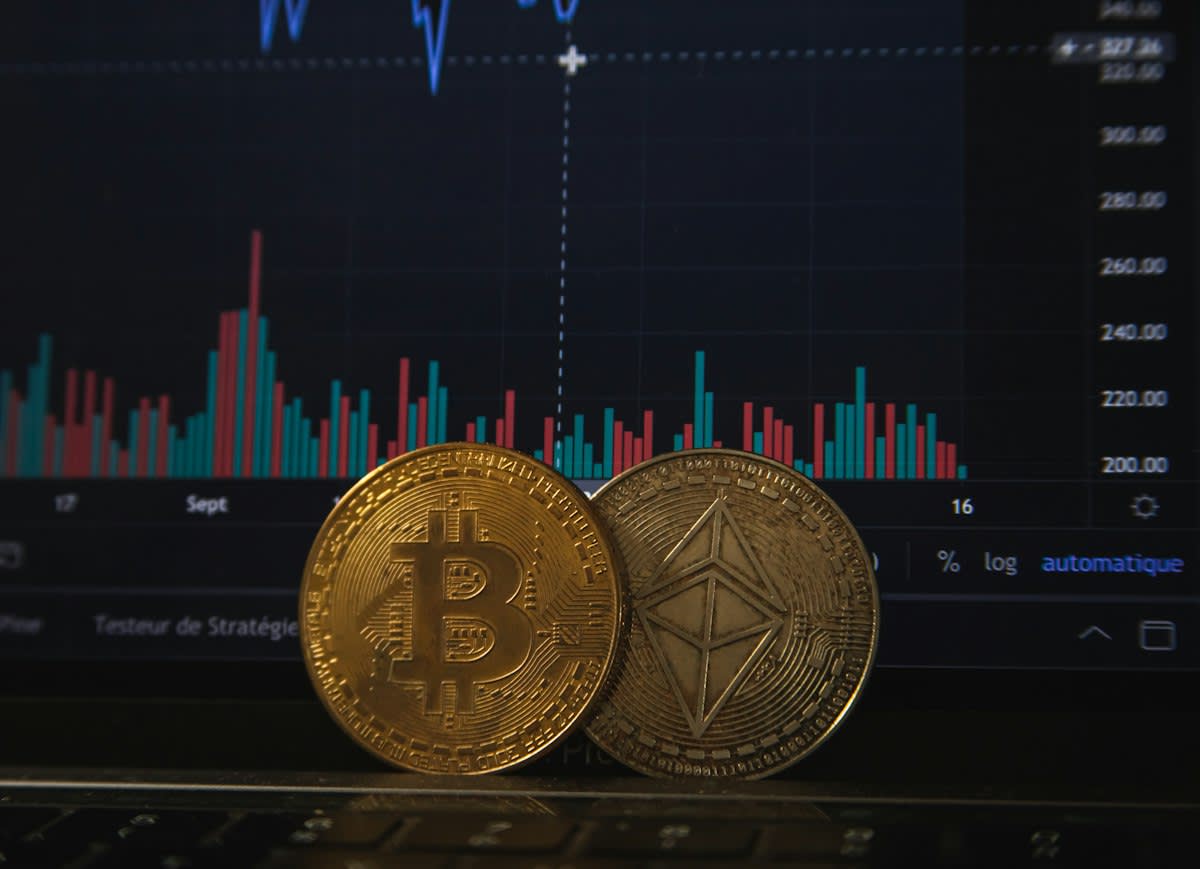
The web is tightening. Autonomous agents now connect the shipping line, the insurer, and the bank into a single execution loop. They communicate. If a ship is delayed by a storm in the Indian Ocean, the agent automatically extends the Letter of Credit expiry date.
Control is slipping. Banks no longer act as the sole gatekeepers of trade truth. They are now nodes in a network of agents. The power shifts. The agent that owns the most accurate data on port throughput wins the trade.
Adoption of Autonomous Trade Agents by Region (2024)
Executive Insight
+18.4%
YTD Growth
The playbook is changing. Institutions that rely on manual verification will find their margins saturate as agentic competitors undercut them on speed and price. They will fail. The staying power belongs to those who treat AI as an agent, not a tool.
Fact-Check & Accuracy Note
Verifiable data indicates a trade finance gap of $2.5 trillion (Source: ADB, 2023). Academic debate continues regarding the legal standing of 'autonomous intent' under the UN Convention on Contracts for the International Sale of Goods (CISG). Most legal scholars argue that an agent's action is attributable to the principal, but the 'hallucination' problem creates a gray area in liability law.
Who wins? The exporters in the Global South who can finally access liquidity without a century of banking history. They scale. Agentic AI turns the trade finance gap into a bridge of data.