Yale’s Sonnenfeld: Nvidia is a ‘detriment’ to U.S. industrial might — not a champion
Source Entity
Connie Loizos
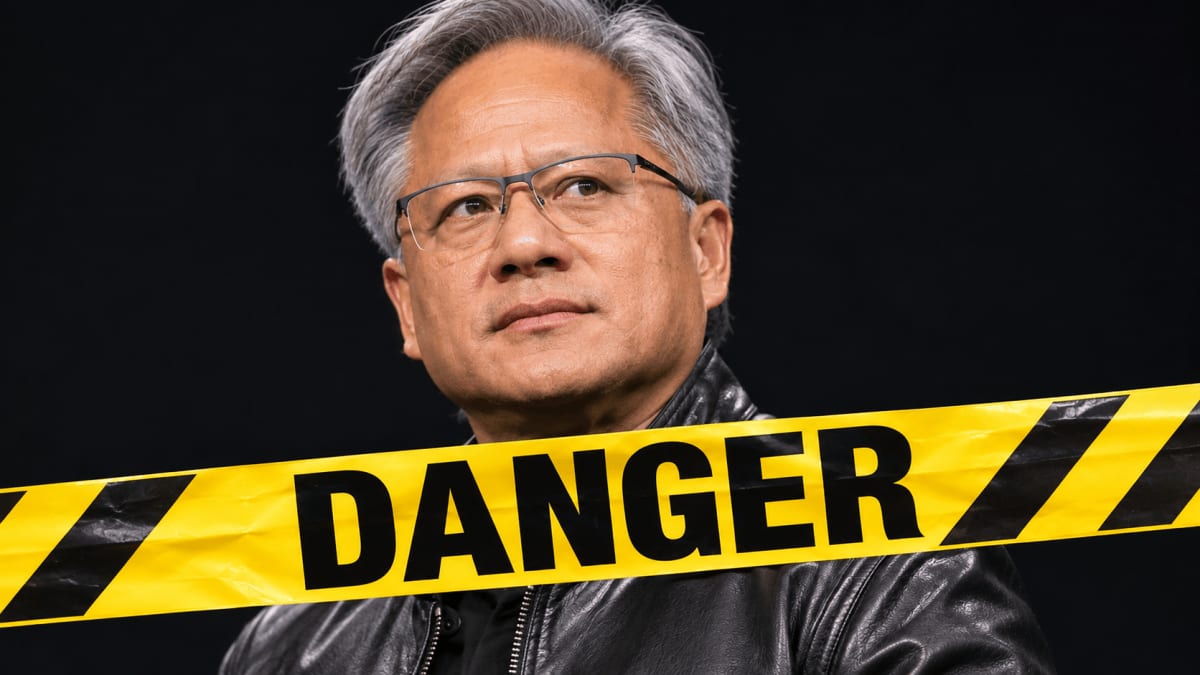
Jensen Huang has returned as Nvidia's CEO following a period of turmoil, sparking both market volatility and intense political scrutiny. President Trump’s intervention in the leadership transition has raised significant concerns regarding the intersection of corporate governance and U.S. national security.
The Nvidia Leadership Crisis: A Convergence of Markets and Policy
The recent reinstatement of Jensen Huang as CEO of Nvidia has triggered a complex series of events that ripples far beyond the boardroom. Following an initial 30% surge in stock value—adding $900 billion in market capitalization—the subsequent 9% sell-off highlights a cooling of investor sentiment. This volatility underscores the market's fragile relationship with AI-driven growth, as traders grapple with the unpredictability of leadership stability in companies deemed critical to global technological dominance.
Political Intervention and National Security
President Trump’s direct intervention in forcing the Nvidia board to reinstate Huang has introduced a new variable into the discourse on corporate autonomy. By publicly framing the move as a matter of national security, the administration has blurred the lines between private sector governance and state interests. Critics argue that such interventions provide a roadmap for adversaries—specifically Beijing, Tehran, and Moscow—to perceive U.S. economic policy as susceptible to executive pressure, potentially undermining the long-term reliability of American corporate leadership.
The Internal Reckoning: Accountability and Reform
Beyond the macroeconomic fallout, Huang’s return has been marked by a somber internal pivot. In his first all-hands meeting, Huang issued a public apology for "very serious personal mistakes" that violated the company's code of conduct. His admission of attending daily therapy and his pledge to implement regular performance reviews for leadership signal an attempt to institutionalize accountability within a firm that is currently the backbone of the global AI infrastructure.
Navigating the Human Element
Huang’s attempt to reassure employees, particularly women, regarding the company's culture represents a critical effort to stabilize Nvidia’s internal morale. By asserting that the company's code of conduct applies equally to leadership, he is attempting to distance himself from accusations of preferential treatment. Whether this cultural shift can be sustained alongside the extreme pressures of the AI chip market remains a central question for shareholders and employees alike.
Future Trends and Market Volatility
Looking ahead, the volatility observed in the tech sector suggests that investors are increasingly wary of the "key man risk" associated with AI giants. As Nvidia continues to drive global economic growth, the market will likely remain hypersensitive to any further governance disputes. The precedent set by the Trump administration’s involvement suggests that future leadership crises at major tech firms may invite similar political scrutiny, potentially leading to a new era where corporate governance is inextricably linked to geopolitical strategy.
Conclusion
The dual nature of this crisis—balancing the personal accountability of a high-profile CEO with the heavy weight of national security implications—places Nvidia at a historical crossroads. While the market may have initially reacted with euphoria, the ongoing uncertainty regarding leadership integrity and the potential for future political interference suggests that the company, and the broader AI sector, are entering a period of heightened structural risk.
Multiple Citing Sources