Tata Sons weighs stake purchase, buybacks to unlock liquidity for SP
Source Entity
REEBA ZACHARIAH
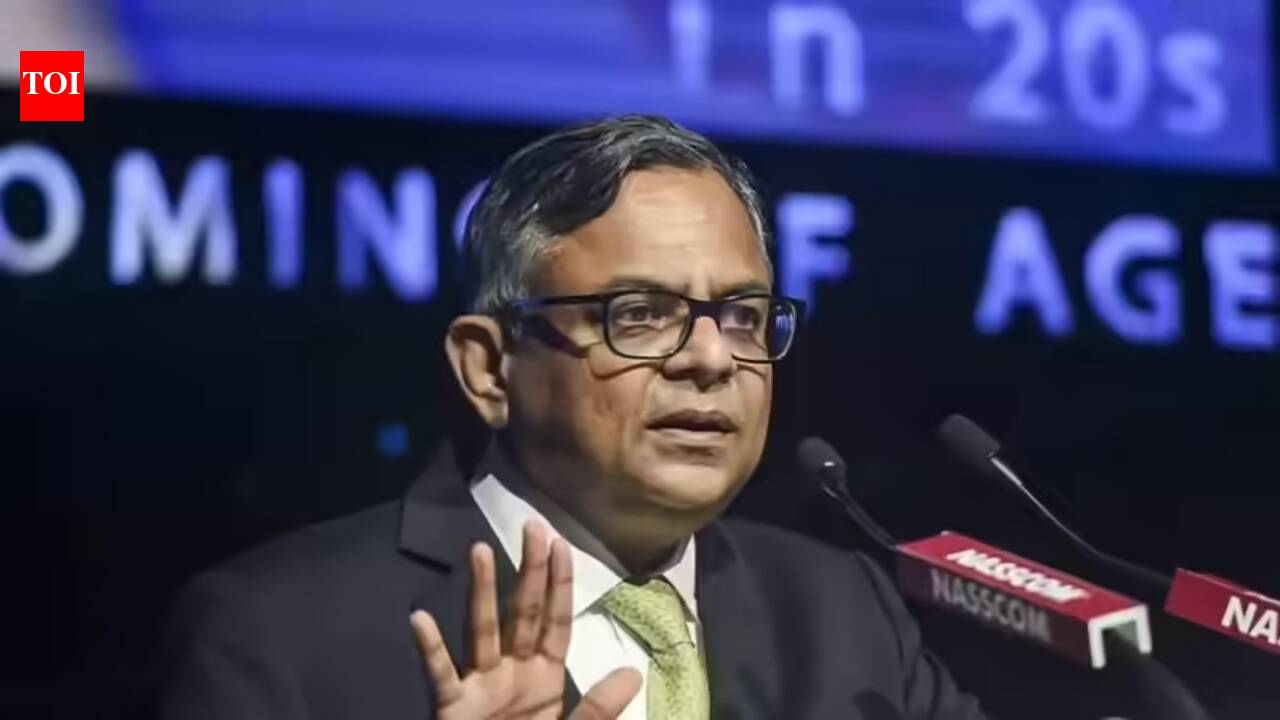
Tata Sons chairman N Chandrasekaran is exploring options, including buybacks and stake purchases, to provide liquidity to the Shapoorji Pallonji Group. This complex process involves significant regulatory hurdles and potential shifts in Tata Sons' governance structure.
Strategic Realignment at Tata Sons: Navigating the SP Group Exit
The ongoing financial maneuvers involving Tata Sons and the Shapoorji Pallonji (SP) Group represent a critical juncture in Indian corporate history. With Tata Sons chairman N Chandrasekaran actively evaluating three distinct pathways to facilitate liquidity for the SP Group—specifically through stake purchases or share buybacks—the conglomerate is attempting to resolve a long-standing capital entanglement. The SP Group’s stake, currently valued at an estimated Rs 3 lakh crore, represents a massive concentration of value that necessitates a delicate and highly regulated approach to ensure the stability of the Tata ecosystem.
The Mechanics of Capital Restructuring
The proposed options for unlocking liquidity are not merely financial transactions but complex legal undertakings. Any movement toward a selective capital reduction or significant buyback requires a special resolution from shareholders, followed by rigorous scrutiny from creditors and the National Company Law Tribunal (NCLT). These procedural safeguards are designed to protect minority interests and ensure that the parent company’s solvency remains intact during what is essentially a massive redistribution of equity.
Operational and Regulatory Hurdles
Beyond the financial engineering, the path forward is obstructed by significant logistical challenges. The report highlights that shareholder meetings are currently facing quorum hurdles, which could stall the progress of these proposals. Furthermore, the necessity of NCLT approvals means that the timeline for these outcomes is likely to be protracted. Industry experts suggest that the entire process could take nearly a year to reach fruition, given the layered requirements for legal compliance and stakeholder consensus.
Impact on Governance and Ownership
The potential outcomes of these negotiations are poised to fundamentally reshape the shareholding architecture of Tata Sons. By adjusting its stake, the company is not only managing liquidity but also addressing the long-term governance implications of having a major external partner. A successful buyback or stake purchase would effectively consolidate control within the Tata fold, potentially streamlining decision-making processes and reducing the friction that has historically characterized the relationship between the two groups.
Future Trends and Market Implications
Looking ahead, the resolution of this matter will serve as a bellwether for how large Indian conglomerates manage internal ownership disputes. If Tata Sons successfully navigates these regulatory requirements, it could establish a template for similar corporate restructuring exercises. However, the slow pace of the current process underscores the inherent difficulty of unwinding multi-decade partnerships in a highly regulated market environment. Investors and market observers will be watching the NCLT proceedings closely for indications of how the final shareholding structure will evolve.