In a first, credit card spends pip ATM withdrawals
Source Entity
MAYUR SHETTY
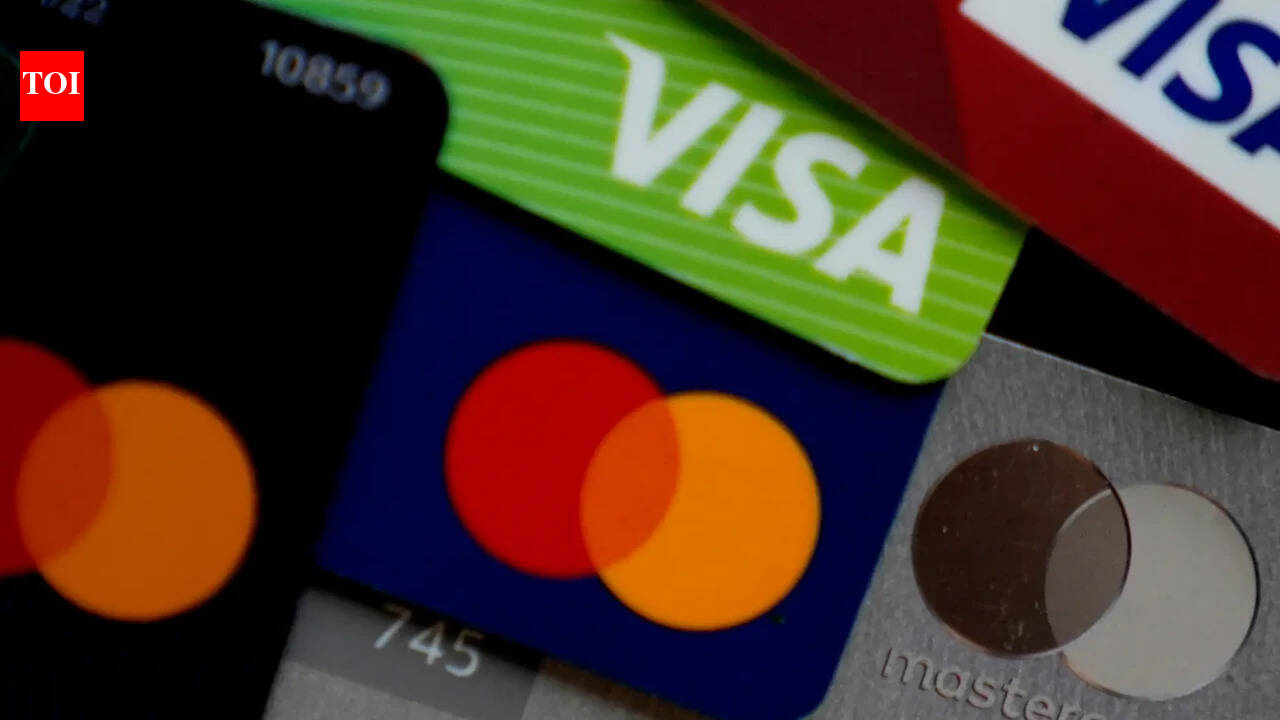
For the first time in history, Indian credit card spending has exceeded ATM withdrawals, reaching Rs 2.4 lakh crore in October 2026. This milestone reflects a massive seven-year shift in consumer behavior away from cash toward digital financial instruments.
A Paradigm Shift in Indian Finance
In a landmark development for the Indian economy, October 2026 has officially been recorded as the first month where credit card spending surpassed ATM cash withdrawals. With credit card transactions reaching Rs 2.4 lakh crore against Rs 2.3 lakh crore in ATM withdrawals, this event signals a tectonic shift in how Indian consumers manage their finances and conduct daily commerce. This milestone is not merely a statistical anomaly but a reflection of a long-term trend that has been gaining momentum for nearly a decade.
The Erosion of Cash Dominance
The scale of this transition is best understood when comparing current data to historical benchmarks. In November 2019, ATM withdrawals were approximately five times the value of credit card spending. Over the subsequent seven years, this ratio has compressed significantly, driven by a steady decline in reliance on physical currency. The recent 7.5% year-on-year decline in ATM withdrawal values, coupled with a 9.8% drop in the total number of transactions—falling to 4,204 lakh—underscores a permanent change in consumer habits.
Catalysts for Digital Adoption
The 14.4% year-on-year growth in credit card spending demonstrates that the convenience, rewards, and credit-cycle benefits of card usage are increasingly overshadowing the traditional "cash-is-king" mentality. This evolution is supported by the expansion of digital infrastructure and a growing merchant acceptance network, which has made credit cards a viable substitute for cash even in smaller-ticket transactions that were previously the exclusive domain of physical currency.
Macroeconomic Implications
This shift carries profound implications for the Indian banking sector and macroeconomic policy. As credit card spending rises, financial institutions gain better visibility into consumer behavior, allowing for more nuanced credit risk assessment and financial product innovation. Furthermore, the transition away from cash reduces the cost of currency management for the banking system and enhances the velocity of money, which can act as a stimulant for formal sector economic growth.
Future Trends and Sustainability
Looking ahead, the trajectory suggests that the gap between credit card usage and ATM withdrawals will likely widen. As the digital payment ecosystem continues to mature and penetration increases in semi-urban and rural markets, the reliance on ATMs will likely continue its downward trend. While cash will remain a component of the economy for the foreseeable future, the October 2026 milestone confirms that India is firmly entrenched in a digital-first financial era, with credit cards serving as a primary engine of this transformation.