Shikhar Dhawan and wife Sophie open up about intercultural marriage: ‘Wanted to be blessed by a priest from my religion’
Source Entity
The Indian Express
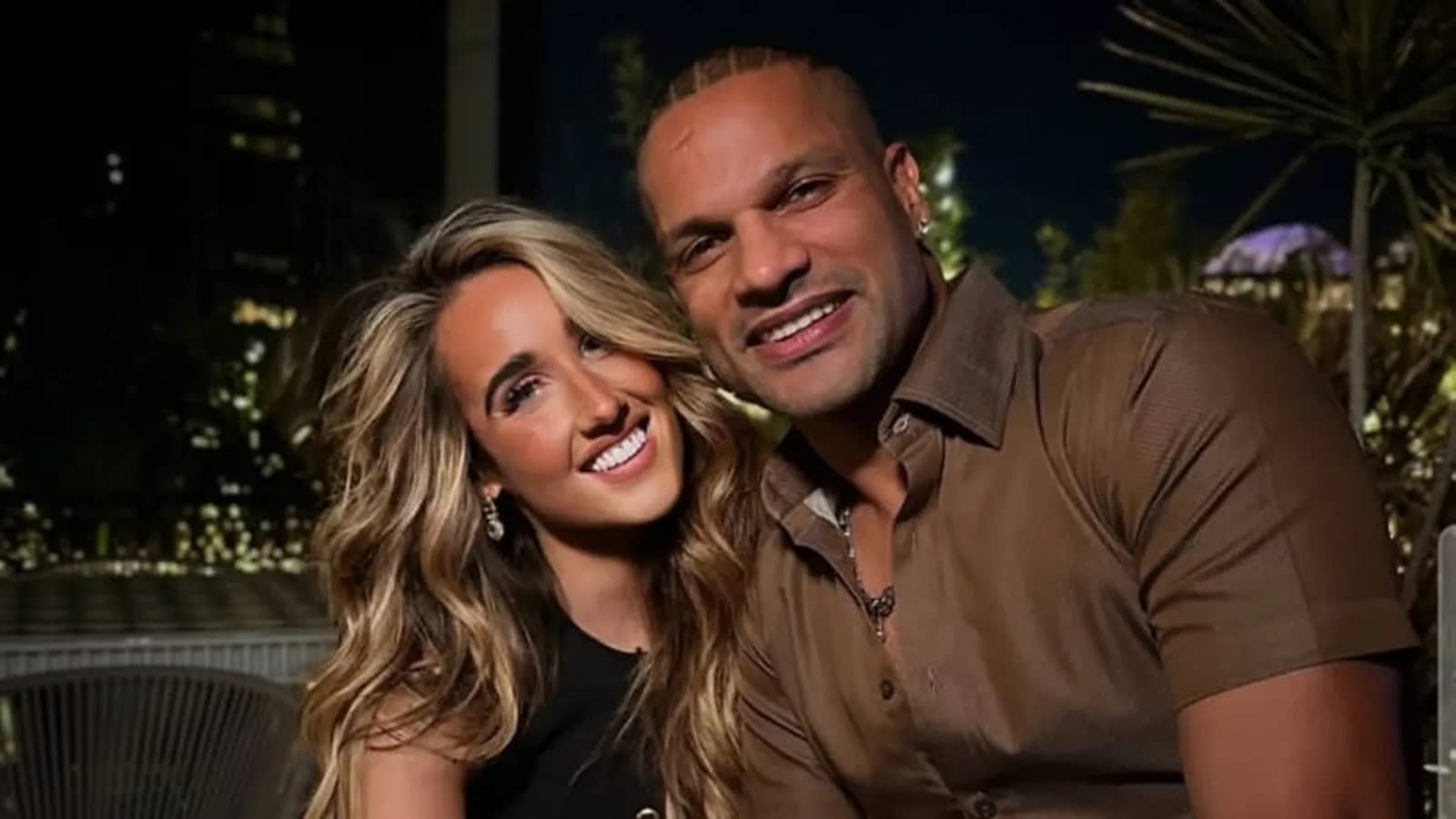
Former cricketer Shikhar Dhawan and his wife Sophie discuss the nuances of their intercultural marriage. The couple highlights how mutual respect and open communication helped them navigate their different backgrounds during their wedding planning.
Navigating Intercultural Unions: Insights from Shikhar and Sophie Dhawan
Embracing Cultural Diversity in Modern Relationships
The recent public discussion between former Indian cricketer Shikhar Dhawan and his wife, Sophie Dhawan, regarding their intercultural marriage provides a candid look at the complexities and joys of blending different backgrounds. In an era where global mobility and digital connectivity have made cross-cultural relationships increasingly common, the Dhawans' experience serves as a case study in successful integration. By prioritizing compatibility over rigid adherence to specific cultural norms, the couple illustrates how open communication can bridge the gap between distinct traditions.
The Wedding Planning Process: A Balancing Act
Central to their narrative is the planning of their wedding, which required a delicate balance between personal desires and cultural expectations. Sophie, who is of Irish descent, expressed a desire to integrate Shikhar’s Indian heritage while maintaining an intimate atmosphere. Her willingness to be blessed by a priest from Shikhar’s religion, while simultaneously embracing other aspects of her own culture, underscores the compromise necessary for multicultural success. This approach reflects a growing trend where couples curate wedding ceremonies that honor both partners' lineages rather than choosing one over the other.
The Foundation of Compatibility
Shikhar Dhawan’s emphasis on 'compatibility' as the primary pillar of their relationship resonates with broader sociological findings in modern marriage studies. While cultural background often dominates initial perceptions of a relationship, the longevity of a partnership is frequently determined by shared values, mutual respect, and the ability to navigate life's challenges as a team. For the Dhawans, the decision to remain 'open' throughout their courtship and wedding planning was instrumental in preventing the friction that can sometimes arise from conflicting cultural expectations.
Redefining Traditional Narratives
This dialogue challenges the traditional narrative that intercultural marriages are inherently fraught with insurmountable difficulties. Instead, the couple portrays these unions as opportunities for growth and mutual enrichment. By viewing their different backgrounds as complementary rather than contradictory, they highlight how modern couples can navigate identity in a globalized world. The ability to blend a 'big Indian wedding' aesthetic with an 'intimate' personal vision demonstrates a sophisticated approach to cultural synthesis.
Broader Implications and Future Trends
As societal shifts continue to favor individualism and personal choice, the model provided by the Dhawans is likely to become more prevalent. Future trends in marriage are expected to lean further toward bespoke ceremonies that reflect the unique identities of the individuals involved. The Dhawans' openness about their journey serves as a blueprint for others navigating similar paths, emphasizing that the success of a marriage lies not in the homogeneity of the couple, but in their shared commitment to understanding and respecting one another’s roots.
Conclusion
In conclusion, the story of Shikhar and Sophie Dhawan is a testament to the power of flexibility and mutual respect in sustaining a healthy relationship. Their journey reminds us that while culture provides a framework for our lives, it is the personal commitment to compatibility that truly defines the success of a partnership. Their story stands as a positive example of how two individuals can successfully integrate disparate traditions into a cohesive and meaningful union.