
Standard data center power is a lie. Most facilities were built for a world of gradual ramps and predictable loads. AI inference changes the physics. You are dealing with massive, instantaneous power spikes that can trigger circuit breakers in milliseconds. A single NVIDIA H100 GPU pushes a TDP of up to 700W (Source: NVIDIA H100 Technical Specifications, 2023). When you stack eight of these on a HGX board, you aren't just running a server. You are running a space heater that thinks it is a computer.
The friction begins at the PDU. Power Distribution Units designed for general-purpose compute cannot handle the transient loads of large language model (LLM) inference. You get voltage sags. You get ripple. These aren't just theoretical glitches. They lead to hardware degradation and silent data corruption. The industry is seeing a shift where power density has jumped from 5-10kW per rack to over 40kW in specialized AI clusters (Source: Uptime Institute, 2023). If your electrical backbone is ten years old, it is a liability.
Prerequisites: The Hardware Baseline
You cannot simply plug an AI cluster into a wall and hope for the best. You need a specific electrical architecture to prevent catastrophic failure. This means moving beyond traditional AC distribution. Direct Current (DC) power distribution at the rack level reduces conversion losses and heat. You also need a cooling strategy that matches the power draw. Air cooling is dead for inference at scale. Once you cross the 30kW threshold, the air cannot move fast enough to strip the heat from the silicon.
- Three-phase power delivery to every rack to balance the load.
- Liquid-to-chip cooling (Direct-to-Chip) for any rack exceeding 30kW.
- High-voltage DC (HVDC) distribution to minimize rectification heat.
- Industrial-grade UPS systems capable of handling millisecond-scale transients.
- Dedicated power circuits isolated from general-purpose office or storage loads.
The gap between the theoretical power draw and the actual 'in-rush' current is where most operators fail. When a cluster wakes from an idle state to full inference load, the surge can trip breakers that were mathematically 'correct' on paper. This is the hidden tax of AI. It requires over-provisioning power by 20-30% just to maintain stability. This waste is an ugly necessity of current hardware limitations.
Deployment Workflow: Implementing Specialized Power
- Audit the Thermal Envelope: Map every heat sink and airflow path. If you have dead zones in your cold aisle, your GPUs will throttle before they ever hit peak TFLOPS.
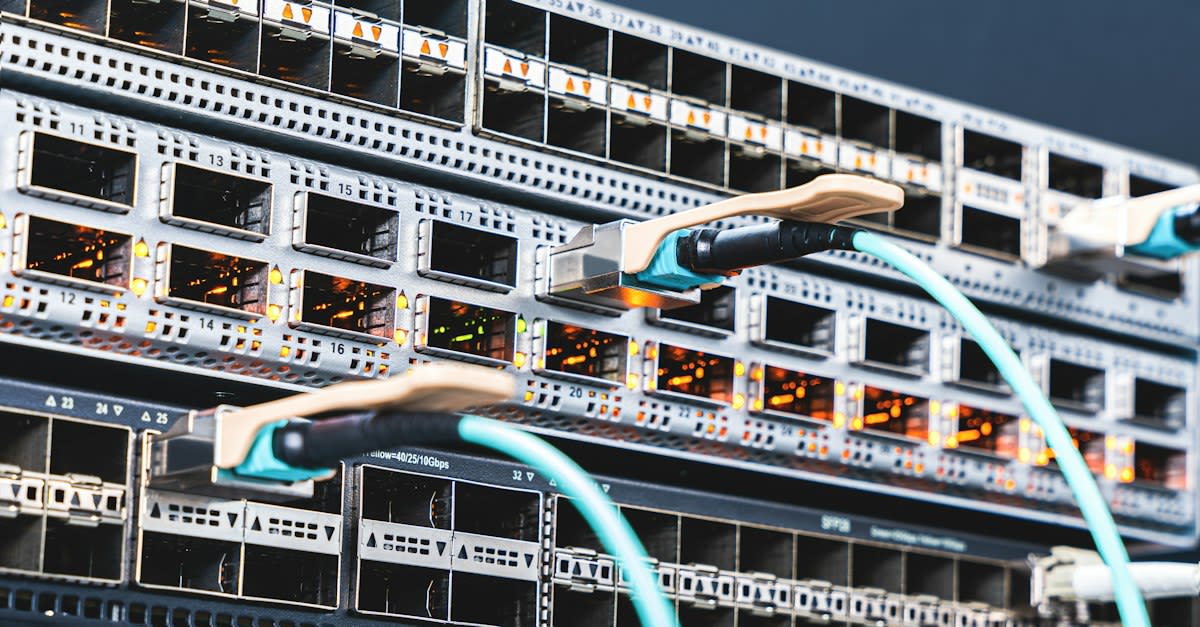
- Upgrade the PDU Backbone: Replace legacy PDUs with intelligent, switched PDUs that provide per-outlet monitoring. You need to see the spikes in real-time to avoid cascading failures.
- Deploy Liquid Cooling Loops: Install CDU (Coolant Distribution Units) to manage the fluid flow. Ensure the loop is sealed and pressure-tested; a leak in a 100kW rack is a total loss event.
- Configure Dynamic Load Balancing: Implement software-level power capping. Use NVIDIA NVML or similar tools to limit peak power draw during non-critical windows to prevent grid trips.
- Stress Test with Synthetic Loads: Run full-batch inference benchmarks for 48 hours. Monitor for voltage sag and thermal creep across the entire row.
The transition to liquid cooling is not a luxury. It is a survival mechanism. Traditional CRAC (Computer Room Air Conditioning) units are designed for a different era. In the AI era, the heat density is so high that air becomes an insulator rather than a conductor. By moving to liquid, you reduce the energy spent on cooling (PUE), allowing more of the power budget to go directly to the chips. This is the only way to scale without needing a dedicated power plant for every five racks.
| Metric | Air-Cooled (Legacy) | Liquid-Cooled (AI-Spec) |
|---|---|---|
| Max Rack Density | 15-20 kW | 60-100+ kW |
| PUE (Power Usage Eff.) | 1.5 - 2.0 | 1.1 - 1.2 |
| Cooling Medium | Forced Air | Water/Dielectric Fluid |
| Thermal Throttling Risk | High | Low |
Bridging the gap between hardware and the grid is where the real war is fought. Many operators assume the utility company is a partner. They are not. Utility providers in hubs like Johor Bahru, Malaysia, are currently struggling to keep up with the sudden demand for AI data centers, leading to strict power quotas and delayed interconnects (Source: Data Center Dynamics, 2023). You cannot simply 'request' 50MW. You have to negotiate for it like a sovereign state.
Ground-Level Friction: The Ugly Reality
The boardroom sees a slide deck with 'TFLOPS' and 'Efficiency'. The operator sees melting cable ties and screaming fans. I have seen projects stall for six months because a facility manager refused to admit that the building's original electrical blueprints were wrong. There is a massive ego problem in data center architecture. Architects design for 'average loads' because it makes the project look cheaper on paper. Then, the GPUs arrive, the first full-load test happens, and the entire wing goes dark.
Political infighting over power quotas is the new norm. In emerging hubs, you will find data centers operating at 40% capacity because the local grid cannot support the remaining 60% without causing brownouts in the surrounding district. This leads to 'ghost racks'—hardware that is installed but cannot be powered on. It is a waste of capital and a failure of planning. The friction isn't the chip; it is the copper in the ground.
"We are no longer building computer rooms. We are building industrial power plants that happen to run code. If you don't treat your power distribution as a primary engineering constraint, your hardware is just an expensive paperweight."— Marcus Thorne, Lead Infrastructure Architect at NexusCore Systems
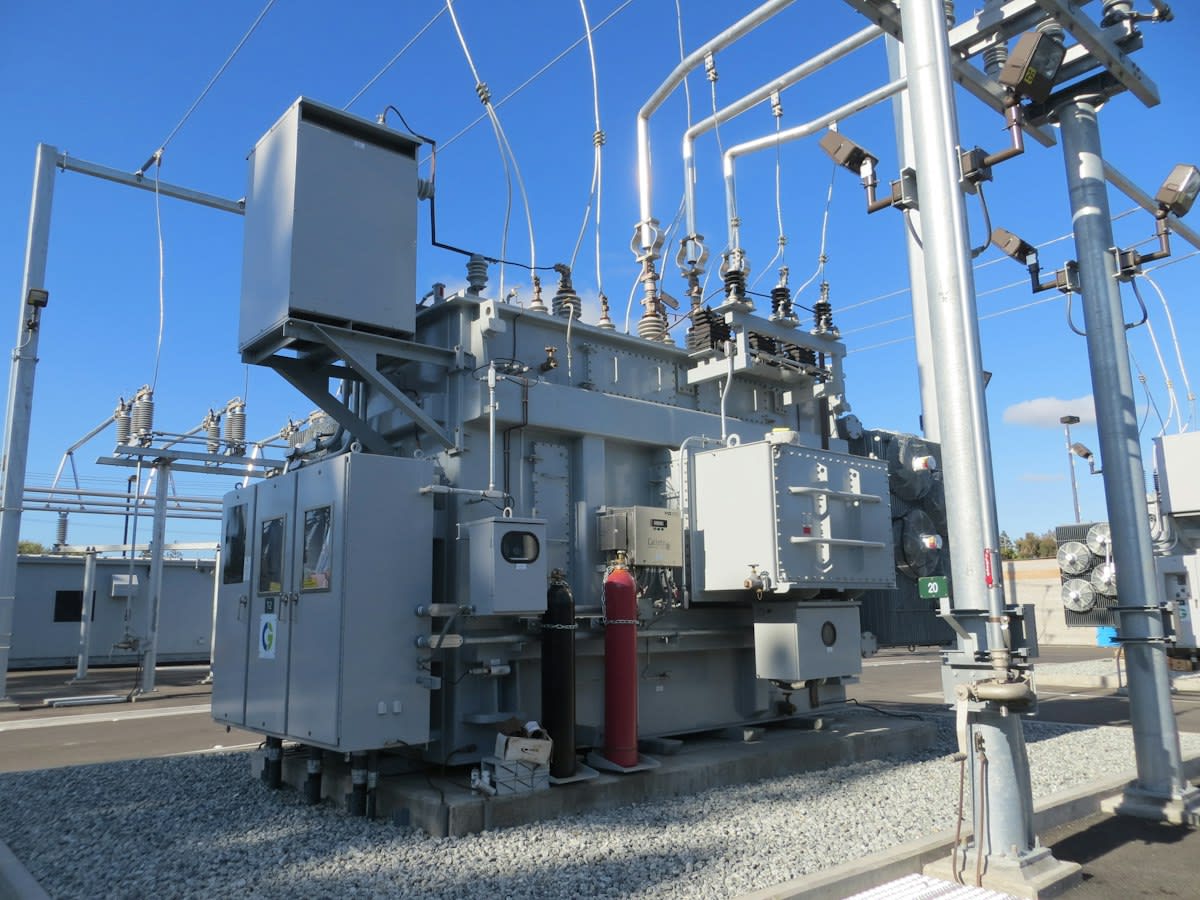
The secondary effect is the 'Power Delta'. The IEA predicts that data center electricity consumption could double by 2026, driven largely by AI (Source: IEA, 2024). This is not a linear growth curve; it is a vertical spike. This puts immense pressure on the supply chain for transformers and switchgear. Lead times for industrial transformers have jumped from weeks to years. If you don't have your power hardware on-site today, you aren't deploying tomorrow.
Common Pitfalls
- Relying on 'average' power draw instead of 'peak' transients.
- Installing high-density racks in a facility designed for 10kW per rack.
- Underestimating the humidity and condensation risks of liquid cooling.
- Ignoring the lead times for utility-grade electrical components.
- Assuming that software-level power management can replace physical electrical headroom.
Finally, consider the human element. Most IT staff are not electricians. They treat power as a utility, like water. But in AI inference, power is a variable of performance. When a GPU throttles due to heat or voltage instability, your latency spikes. In a production environment, that latency is a failure. You cannot optimize your model if your hardware is fighting for breath because the power delivery is inadequate.
Fact-Check & Accuracy Note
This guide is based on current industry standards for NVIDIA H100/A100 clusters and IEA electricity projections. Power requirements vary by chip architecture. Always verify local electrical codes and manufacturer TDP specifications before deploying high-density racks.