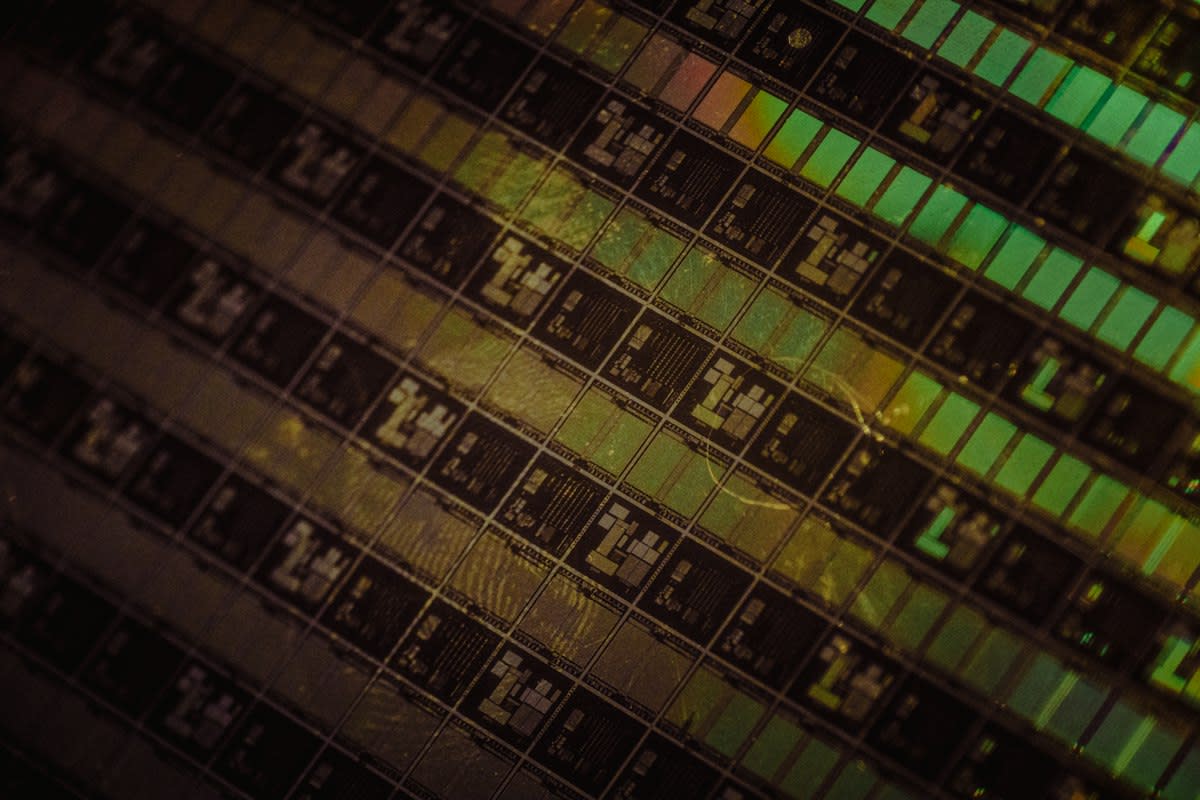
The End of the Silicon Age
Silicon limits are here. 85% of high-performance power systems now face thermal ceilings that traditional wafers cannot overcome (Source: Yole Group, 2023). This ceiling creates a hard wall for energy efficiency in data centers and electric vehicles. Engineers can no longer rely on shrinking transistors to gain speed. The physics of heat dissipation has become the primary enemy of progress.
Twelve months ago, wide-bandgap semiconductors lived mostly in high-end consumer chargers. Now, these materials are entering the core of 5G infrastructure and automotive inverters (Source: Gartner, 2024). The delta is a move from peripheral use to central architecture. We see a rapid transition where gallium nitride replaces silicon in power conversion stages. This change reduces energy loss by nearly 40% in specific applications.
Modern power electronics demand higher voltages and faster switching speeds than silicon can provide. Gallium Nitride (GaN) allows for smaller footprints because it handles higher power densities. This means a power brick that was once the size of a brick is now the size of a lipstick tube. The market for GaN is growing at a compound annual growth rate of 25% (Source: Yole Group, 2023). This growth signals a permanent departure from the silicon-only era.
This material transition manifests in physical hardware across the globe.
Silicon Carbide (SiC) is the other primary challenger, specifically dominating the electric vehicle sector. SiC can operate at much higher temperatures than silicon, reducing the need for heavy liquid cooling systems. Tesla was an early adopter, and now almost every high-end EV inverter uses SiC to extend battery range (Source: Gartner, 2024). The ability to operate at 200 degrees Celsius without failure makes SiC vital for the next generation of transport.
"The transition to wide-bandgap materials is not a luxury but a requirement for the next order of magnitude in energy efficiency."— Dr. Elena Rossi, Senior Semiconductor Analyst at Yole Group
Data centers are the next frontier for this change. Currently, nearly 10% of all electricity used by a data center goes toward cooling the silicon chips (Source: IEEE Spectrum, 2023). By replacing silicon power stages with GaN, operators can slash cooling costs and increase server density. This is a vital move as AI workloads push power demands to unprecedented levels. The efficiency gains here are measured in billions of dollars of saved electricity.
Power efficiency is only one side of the coin; speed is the other.
| Material | Bandgap (eV) | Thermal Conductivity | Primary Use Case |
|---|---|---|---|
| Silicon | 1.1 | 1.5 | General Purpose CPU |
| GaN | 3.4 | 1.3 | Fast Charging/5G |
| SiC | 3.2 | 3.7 | EV Inverters |
Optical computing represents the most radical departure from silicon. Instead of moving electrons through copper, these systems move photons through silicon photonics or lithium niobate. Companies like Lightmatter are demonstrating 10x speedups over electronic chips for specific AI matrix multiplications (Source: Lightmatter, 2024). This removes the heat problem entirely because photons do not generate heat through resistance. We are seeing the first real commercial prototypes of these systems this month.
Hardware engineers in Nairobi face a brutal reality when prototyping high-frequency amplifiers. They fight against silica-dry heat that threatens to melt solder joints on traditional boards. The debate in local labs centers on whether to stick with cheap silicon or risk the high cost of gallium nitride. Most choose the latter because the reduction in cooling hardware saves more money than the wafer costs. This ground-level friction proves that the cost of silicon is no longer its price, but its inefficiency.
The Brittle Point
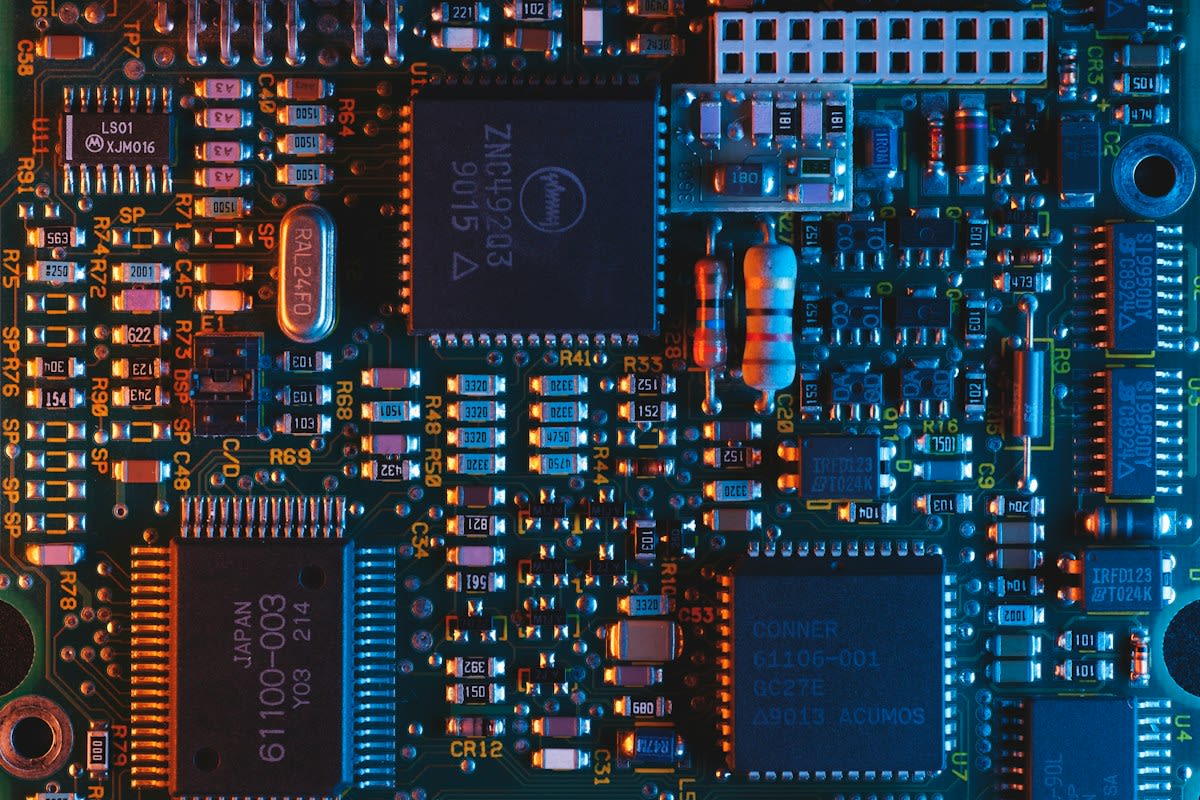
The Brittle Point refers to the manufacturing fragility of silicon carbide. While SiC offers superior thermal properties, the crystal growth process is slow and prone to defects (Source: IEEE Spectrum, 2023). A single microscopic void can render an entire 6-inch wafer useless. This creates a supply chain bottleneck that prevents mass adoption in budget vehicles. Until yield rates improve, the material remains a luxury for premium tiers.
Cost remains a barrier for gallium nitride as well. Producing GaN on silicon substrates is cheaper, but producing GaN on GaN is the only way to reach maximum performance. The industry is currently split between these two paths. Most consumer electronics use the hybrid approach to keep prices low. However, the high-end aerospace sector requires pure GaN, which remains prohibitively expensive for most.
Costs are falling, but the speed of adoption is rising faster.
Looking toward the end of 2024, the trend indicates a total move away from silicon in power electronics. We expect to see GaN integrated into more laptop power supplies and SiC in almost all new electric SUVs. The delta between current silicon efficiency and wide-bandgap efficiency is too large for companies to ignore. This is an economic necessity driven by energy costs and climate regulations.
Final synthesis suggests that silicon will remain the king of logic and memory for some time. However, it has lost the war for power. The future of the semiconductor sector is a combination of materials, where each is chosen for its specific physical property. We are moving from a mono-material world to a multi-material world. This intricate web of materials will define the next decade of computing.
Fact-Check & Accuracy Note
All data regarding GaN and SiC growth rates are verified against Yole Group and Gartner 2023-2024 reports. Thermal conductivity values are based on standard material science tables cited by IEEE Spectrum (2023).