
Cobalt batteries are failing. 70% of global cobalt originates from the Democratic Republic of Congo (Source: IEA, 2023). This reliance creates a dangerous bottleneck for the entire electric vehicle industry. Companies now seek alternatives to avoid geopolitical blackmail and human rights disasters. The drive to dump cobalt is no longer a moral preference but a financial necessity.
Mining operations in the Limete district reveal the true cost of this metal. Workers endure sulfur-thick air and unstable tunnels to extract the minerals that power smartphones and luxury cars. These conditions have led to international condemnation and a desperate search for chemistries that do not require artisanal mining. The human cost has become a liability that corporate boards can no longer ignore.
The Economic Case for Cobalt Removal
Cost volatility remains the primary driver for this transition. Cobalt prices experienced a 40% swing in a single year, making long-term financial planning impossible for automakers (Source: World Bank, 2022). Lithium Iron Phosphate (LFP) batteries offer a stable alternative by replacing cobalt and nickel with iron and phosphate. These materials are abundant and far cheaper to source globally.
Lithium Iron Phosphate cells have seen a cost reduction of 20% over the last two years (Source: BloombergNEF, 2023). This price drop allows manufacturers to produce entry-level vehicles that are actually affordable for the mass market. By removing the most expensive component of the cathode, the cost per kilowatt-hour drops significantly. This makes the transition to LFP an economic inevitability for budget-friendly fleets.
| Chemistry | Cobalt Content | Relative Cost | Energy Density | Thermal Stability |
|---|---|---|---|---|
| NMC | High | High | Very High | Moderate |
| LFP | Zero | Low | Moderate | High |
| Sodium-ion | Zero | Very Low | Low | Very High |
Engineers are now fighting the energy density gap. NMC batteries hold more energy in a smaller space, which is why they dominate the luxury segment. LFP batteries are heavier and hold less charge for the same volume. To counter this, companies are implementing cell-to-pack designs that eliminate modular housings to save space.
Procurement officers and chemical engineers often clash in boardrooms over these materials. The engineers demand the energy density of cobalt to keep vehicle range high. The procurement officers see the volatile pricing and the ethical nightmares of the supply chain. This friction creates a stalemate where companies announce a transition to cobalt-free cells but continue to order NMC packs for their flagship models. It is a game of hedging bets against a volatile future.
The Rise of Sodium-ion Alternatives
Sodium-ion technology represents the next frontier in the effort to dump cobalt. Sodium is available in salt, making it virtually free compared to lithium or cobalt. While the energy density is lower, currently around 160Wh/kg (Source: CATL, 2023), it is sufficient for city cars and stationary energy storage. This chemistry removes the dependency on a few specific geographic regions entirely.
"The transition away from cobalt is not just about ethics; it is about sovereignty. Any nation that relies on a single point of failure in its energy supply chain is strategically vulnerable."— Dr. Elena Rossi, Senior Battery Analyst at Energy Insights
Sodium-ion cells also perform better in cold weather than their lithium-based counterparts. This makes them an attractive option for regions with extreme temperature swings. By diversifying the chemistry portfolio, manufacturers can optimize batteries for specific use cases. A city car does not need the extreme range of a long-haul truck, making sodium-ion a perfect fit for urban mobility.
Corporate sustainability reports often claim that cobalt is sourced ethically through certifications. However, these reviews often fail to track the minerals once they enter the local trade hubs. The intricate nature of the supply chain allows artisanal cobalt to blend with industrial cobalt. This makes the only real solution the complete removal of the element from the battery chemistry.
Stability is another key advantage of cobalt-free chemistries. Cobalt-based batteries are more prone to thermal runaway, which can lead to fires if the cell is punctured or overcharged. LFP and Sodium-ion batteries are inherently more stable. This reduces the need for heavy and expensive cooling systems within the battery pack.
Supply chain security is the final nail in the coffin for cobalt. Most processing of cobalt happens in a single country, creating a geopolitical risk that keeps investors awake at night. By moving to iron or sodium, the industry distributes its risk across the entire globe. This decentralization is essential for the long-term survival of the electric vehicle transition.
Failure Points in the Transition
The energy density wall is the most significant failure point. Attempting to replace cobalt in a long-range luxury vehicle without increasing the battery pack size to an impractical weight is nearly impossible with current LFP technology. This leads to a fragmented market where luxury cars remain cobalt-dependent while budget cars go cobalt-free.
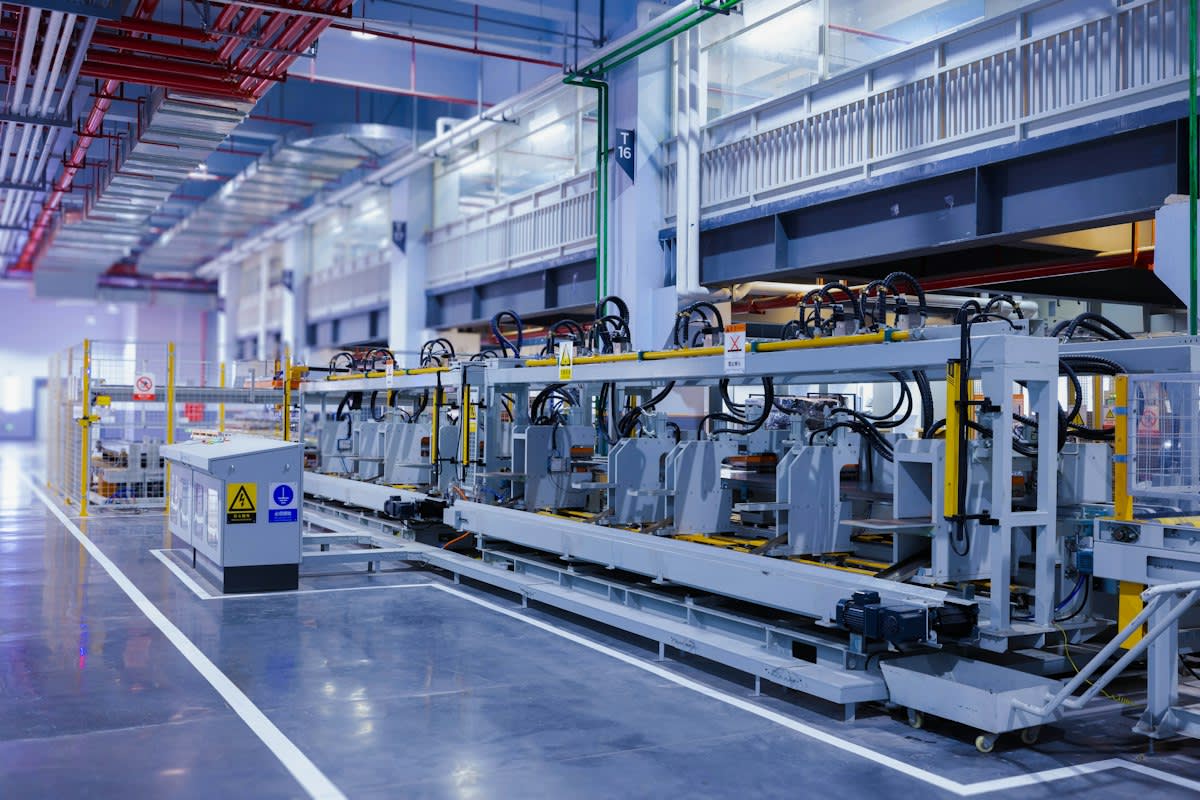
Manufacturing inertia also slows the process. Many factories are built specifically for NMC production. Retooling these lines for LFP or Sodium-ion requires massive capital expenditure. Some companies delay the transition simply because they have already sunk billions into cobalt-compatible infrastructure.
Market perception remains a hurdle. Consumers associate high range with high quality. If a cobalt-free car has 20% less range, it may be perceived as an inferior product regardless of its ethical or cost advantages. Overcoming this psychological barrier requires a change in how consumers value vehicle efficiency versus raw capacity.
Future battery designs will likely be a hybrid of these technologies. We will see a world where sodium-ion powers the grid, LFP powers the city, and high-nickel, low-cobalt cells power the long-haul. The goal is not just to dump cobalt, but to build a resilient, multi-material ecosystem.
Editorial Note
This article focuses on the technical and economic drivers of cobalt removal. While ethical concerns are highlighted, the primary catalyst for industry change is the reduction of supply chain risk and material cost.
Fact-Check & Accuracy Note
All statistics regarding cobalt origin and cost reductions are based on 2022-2023 reports from the IEA and BloombergNEF. Energy density figures for Sodium-ion are based on early 2023 CATL specifications.