Why NITI Aayog wants stricter power, water checks before approving data centres
Source Entity
Soumyarendra Barik
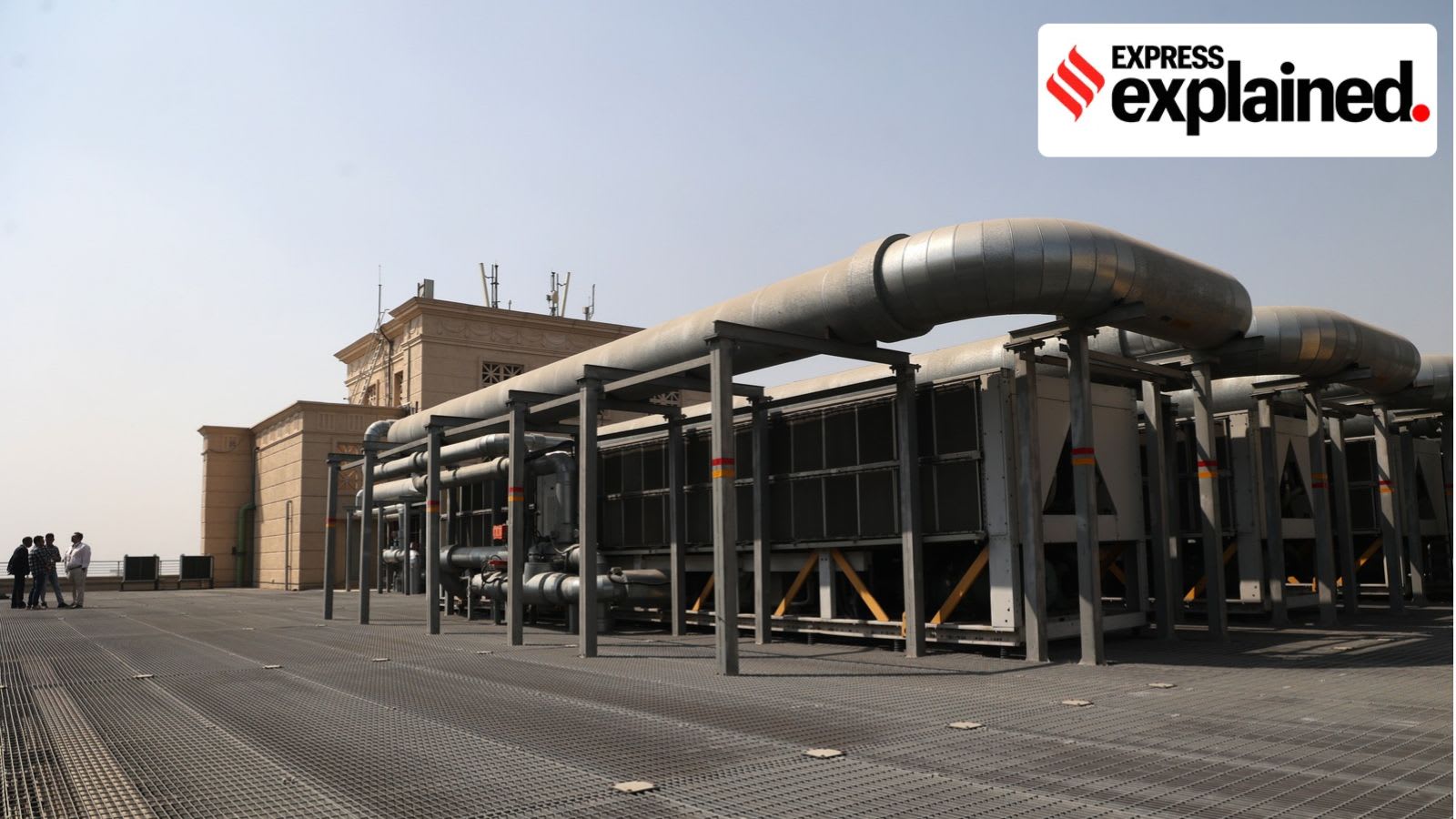
NITI Aayog has proposed a stricter framework for data centre approvals in India, prioritizing resource availability and economic impact over raw investment commitments. This move aims to balance the rapid growth of AI infrastructure with sustainable water and electricity management.
Rethinking Infrastructure: NITI Aayog's New Data Centre Framework
As India accelerates its digital transformation and positions itself as a global hub for Artificial Intelligence (AI), the physical infrastructure supporting this growth has come under intense scrutiny. A new framework prepared by NITI Aayog’s Frontier Tech Hub signals a significant shift in how the government approaches the approval of data centres. Moving away from a model that prioritizes simple investment commitments, the proposed policy mandates that states evaluate projects based on tangible environmental and resource-based metrics.
Prioritizing Resource Sustainability
Data centres are notoriously resource-intensive, requiring immense amounts of electricity for cooling and operational uptime, as well as significant water resources for climate control systems. The NITI Aayog proposal mandates that developers demonstrate the capability of local electricity grids to support their proposed capacity before approvals are granted. By requiring that additional loads be sanctioned only after necessary infrastructure upgrades are completed, the government is attempting to prevent the strain that rapid, unplanned data centre expansion could place on public utilities.
Linking Incentives to Economic Realities
Historically, states have competed to attract data centre investments through various fiscal incentives. The new framework seeks to optimize these benefits by linking state government support to measurable economic outcomes. This includes a focus on local employment generation, procurement from domestic sources, and, crucially, investments in renewable energy. This shift ensures that the growth of the digital economy translates into sustainable, long-term development rather than just capital inflow.
Addressing the AI Infrastructure Boom
This regulatory pivot arrives at a critical juncture as global demand for AI-ready infrastructure surges. AI models require high-density computing power, which naturally drives up energy consumption. By establishing a framework that demands environmental safeguards and infrastructure readiness upfront, NITI Aayog is attempting to mitigate the long-term ecological risks associated with the AI boom. This proactive stance is designed to ensure that India's digital growth does not come at the expense of its energy security or environmental stability.
Broader Implications for Policy
The proposal reflects a broader global trend where governments are increasingly viewing data centres as critical, yet potentially disruptive, utility consumers. By treating these facilities as infrastructure assets that must integrate into the existing grid and resource ecosystem, India is setting a precedent for responsible technological expansion. This framework will likely influence how states negotiate with private developers, creating a more standardized and transparent environment for digital investment.
Future Trends and Conclusion
Looking ahead, we can expect a tighter integration between state-level urban planning and digital infrastructure development. As the government enforces these stricter checks, developers will likely be incentivized to invest in sustainable cooling technologies and off-grid renewable energy sources to bypass traditional grid constraints. Ultimately, this policy shift represents a maturing of India’s tech sector, where sustainable resource management is now recognized as a prerequisite for sustained industrial success.