If no chip self-reliance, risk of failing in future conflicts: DRDO units
Source Entity
Johnson T A, Soumyarendra Barik
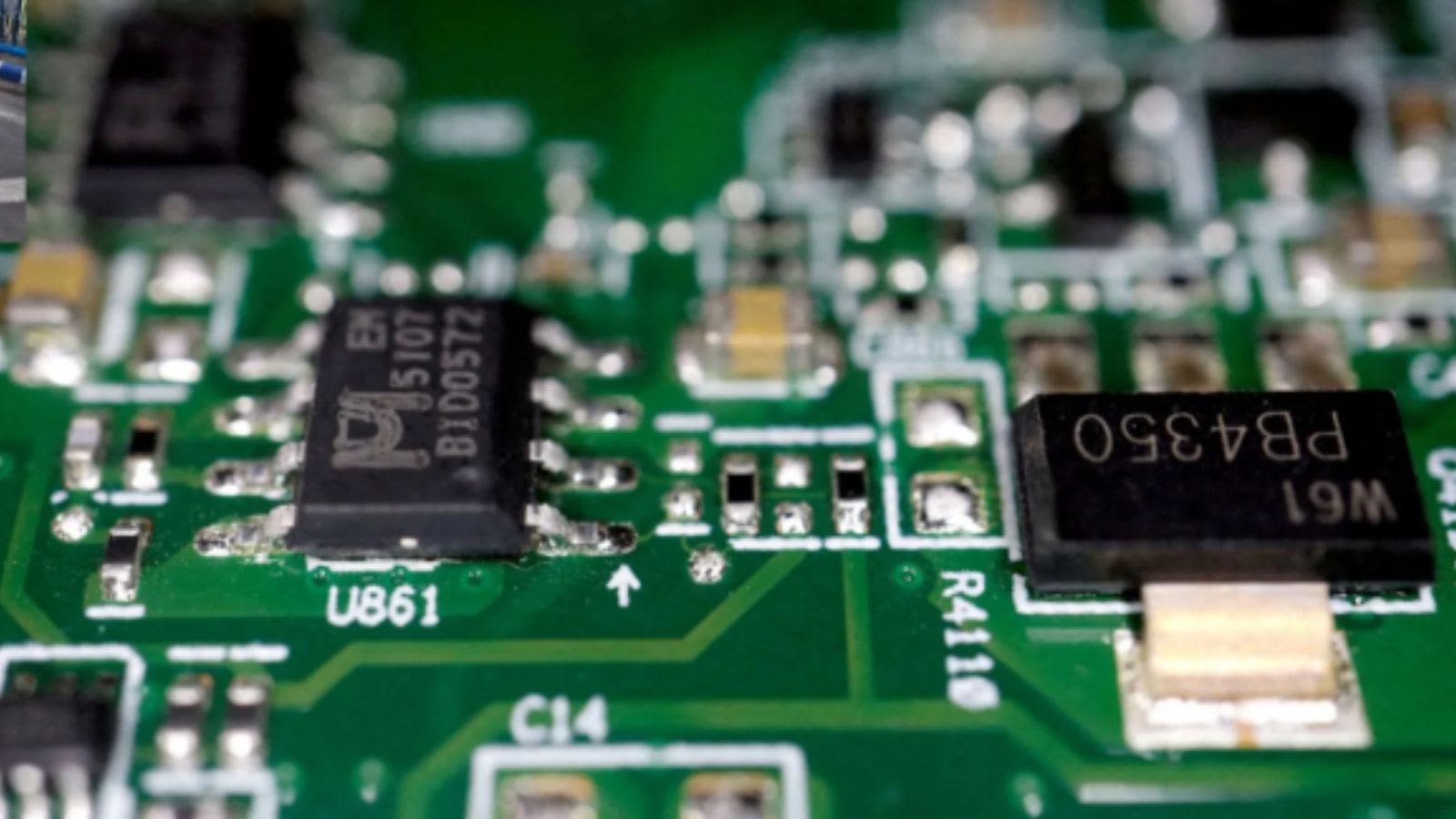
DRDO experts warn that India's failure to achieve semiconductor self-reliance by 2047 could jeopardize national security in future AI-driven conflicts. Despite a strong design workforce, the nation remains heavily dependent on imports for chip production.
The Strategic Imperative of Semiconductor Sovereignty
Experts from the Defence Research and Development Organisation (DRDO) have issued a stark warning regarding India's national security landscape: the failure to achieve self-reliance in semiconductor design, manufacturing, and deployment by 2047 could lead to catastrophic vulnerabilities in future conflicts. As the nation aims for the 'Viksit Bharat' milestone, the integration of semiconductors into defense infrastructure has moved from a technological advantage to a fundamental necessity for survival.
The AI and Cyber Warfare Nexus
Future military conflicts are increasingly defined by their reliance on artificial intelligence, advanced cyber technologies, and space-based power. These domains are fundamentally underpinned by high-performance computing hardware. The DRDO’s analysis underscores that without domestic control over the silicon supply chain, India risks being beholden to foreign powers for the very components that drive its defensive and offensive capabilities. In an era where data is the new ammunition, the lack of indigenous chip infrastructure creates a critical single point of failure.
The Paradox of Indian Talent and Infrastructure
There exists a profound disconnect between India's intellectual capital and its physical manufacturing capacity. While the country boasts 20 percent of the global computer chip design workforce, it currently relies on imports for 90 percent of its semiconductor requirements. This talent pool is a massive asset, yet it remains underutilized in terms of domestic production, effectively exporting the value of Indian innovation to foreign fabrication plants.
Data Sovereignty and the Infrastructure Gap
Furthermore, the disparity in data infrastructure is alarming. India generates 20 percent of the world's data used for artificial intelligence, yet it hosts only three percent of the global AI data centers. This reliance on external infrastructure for data processing means that India’s strategic digital assets are physically located outside its jurisdiction, raising significant sovereignty and security concerns in the event of geopolitical tensions.
Future Trends and Path to 2047
The road to 2047 requires a radical shift in industrial policy. Transitioning from a design-heavy nation to a manufacturing-capable powerhouse is the only way to mitigate the identified risks. Future trends indicate that nations with localized chip fabrication will possess superior agility in deploying AI-driven defense systems. For India, the semiconductor mission is no longer just an economic goal; it is a prerequisite for maintaining territorial integrity and strategic autonomy in a technologically volatile century.