The Infrastructure Illusion
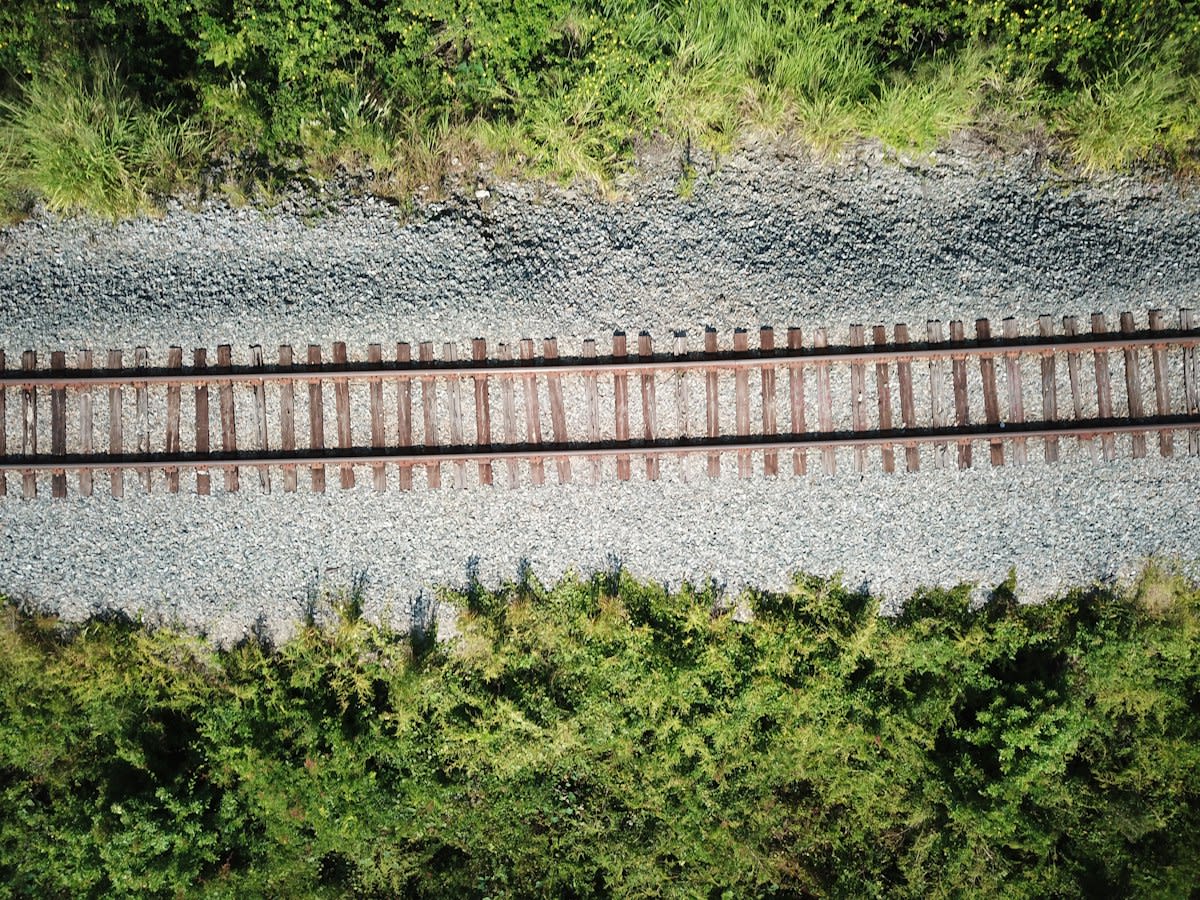
Most analysts view the global battery and energy transition race through the lens of chemistry—lithium densities, cobalt purity, and anode efficiency. They are missing the forest for the trees. The real bottleneck is not the discovery of minerals, but the physical ability to move them from the interior of a continent to a deep-water port. In Guinea, this struggle is distilled into a single, staggering project: Simandou. This is not merely a mine; it is a $200bn bet on a jungle railway that challenges the traditional extractive model. Why do we assume that the resource itself is the prize? The real prize is the infrastructure that enables the resource to exist in a global market.
The scale of the potential shift is nearly incomprehensible. According to the International Monetary Fund, Guinea's real GDP could be 26 to 55 percent larger by 2030 if this project is successfully executed compared to a scenario where it is not (Source: IMF, 2024). This is not incremental growth; it is a systemic leap. The delta between these two outcomes depends entirely on the government's ability to translate mining revenues into public investment. If the revenue is used strategically, the upper bound of that 55% GDP growth becomes a plausible reality rather than a theoretical projection (Source: IMF, 2024).
The Logistics of Power
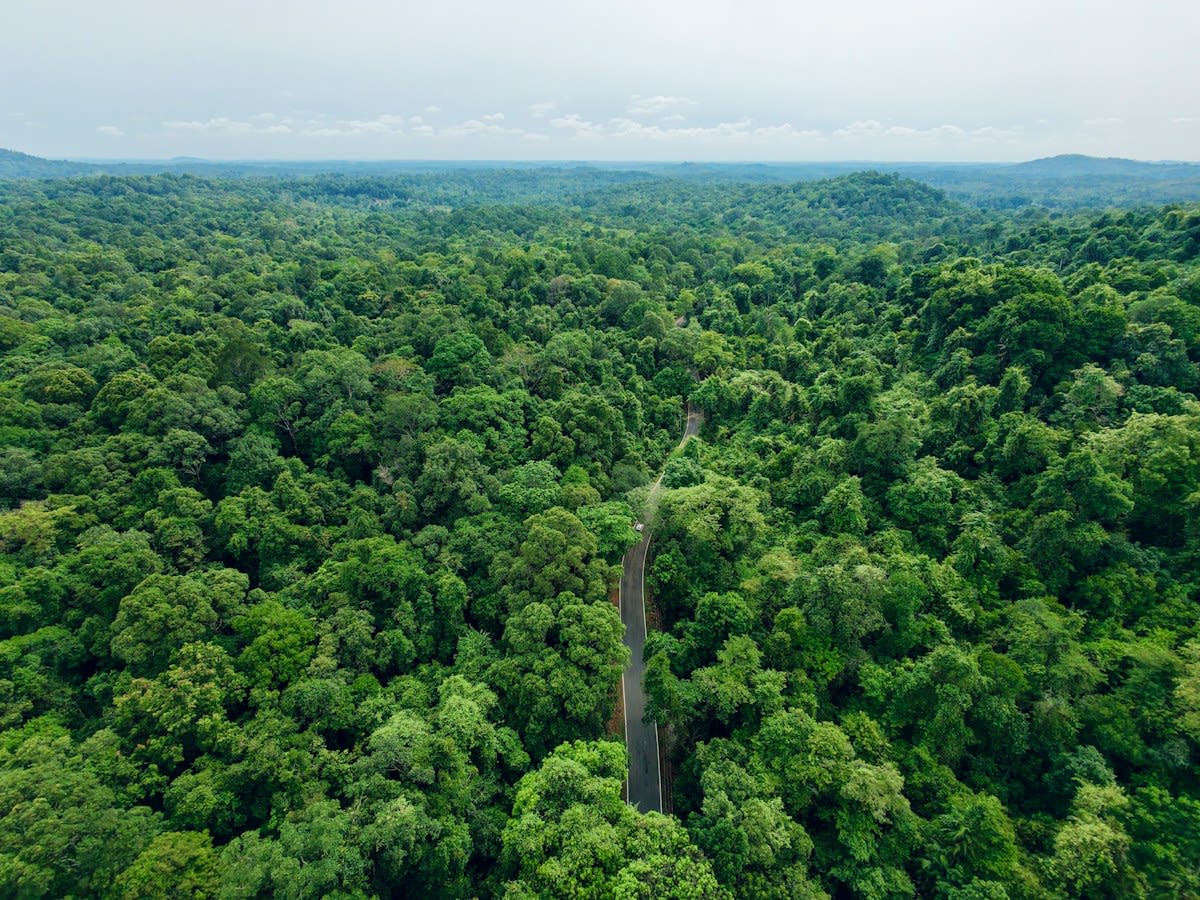
From a practitioner's perspective, the Simandou project is a nightmare of synchronization. Those of us who have spent years in the field know that the 'invisible friction' of these projects isn't the digging—it's the commissioning. You can have a mine producing millions of tonnes of ore, but if the rail gauge is off by a fraction or the port's loading arm fails, the entire capital expenditure becomes a stranded asset. The current challenge is the coordinated commissioning of the mine, the rail, and the port (Source: Kalkine, 2026). It is a three-body problem where if one element lags, the others bleed cash.
Rio Tinto is already feeling this pressure. The company has indicated a target of US$1.8 billion in annualised productivity benefits by the end of 2026, but achieving this requires a flawless ramp-up (Source: Kalkine, 2026). The mine has already achieved an approximately 10-million-tonne annualised production run rate on a 100% basis during the third quarter, but the true test is whether the infrastructure can sustain this volume without collapsing under its own weight (Source: Kalkine, 2026).
"Simandou could grow Guinea’s GDP by up to 55% by 2030."— Chair’s statement, Rio Tinto 2025 Annual Report
Does the market understand the risk? Most investors focus on the ore grade, but the internal debates among engineers are about energy availability and cost inflation (Source: Kalkine, 2026). When you are building a railway through a jungle, you aren't just fighting geography; you are fighting the volatility of global supply chains for steel and heavy machinery. One delayed shipment of specialized rail sleepers can stall a billion-dollar timeline.
| Metric | Baseline / Current | Projected (2030-2039) | Source |
|---|---|---|---|
| Real GDP Growth (Potential) | N/A | 26% to 55% Higher | IMF, 2024 |
| Govt Mining Revenue (% of GDP) | 2.2% (2022) | 3.4% | IMF/Rio Tinto, 2024 |
| Project Tax Rate | 15% (Mine/Infra) | 15% (for 8 years) | Rio Tinto, 2025 |
| Annualised Prod. Run Rate | 10M Tonnes (Q3) | Scaling | Kalkine, 2026 |
The Fiscal Gamble
The financial architecture of Simandou reveals a calculated risk shared between the state and the operator. Rio Tinto's fiscal settings for the project include a 15 per cent tax rate for eight years for the mine, with nil dividend withholding for the life of the mine (Source: Rio Tinto, 2025). While this may seem like a steep concession by the Guinean government, the trade-off is the sheer volume of infrastructure. The infrastructure itself also carries a 15 per cent tax rate (Source: Rio Tinto, 2025).
The stakes for the Guinean treasury are immense. The project is expected to drive total government revenues to 3.4 percent of GDP between 2030 and 2039, a significant jump from the 2.2 percent of GDP recorded in 2022 (Source: IMF, 2024). But taxes are a lagging indicator of success. The real value lies in the 'Simandou 2040 Programme,' a long-term vision currently under high-level financing talks with the African Development Bank (Source: AfDB, 2026). This suggests that Guinea is attempting to move beyond the 'dig and ship' model toward a more integrated economic strategy.
The Global Pivot: From Ore to Value
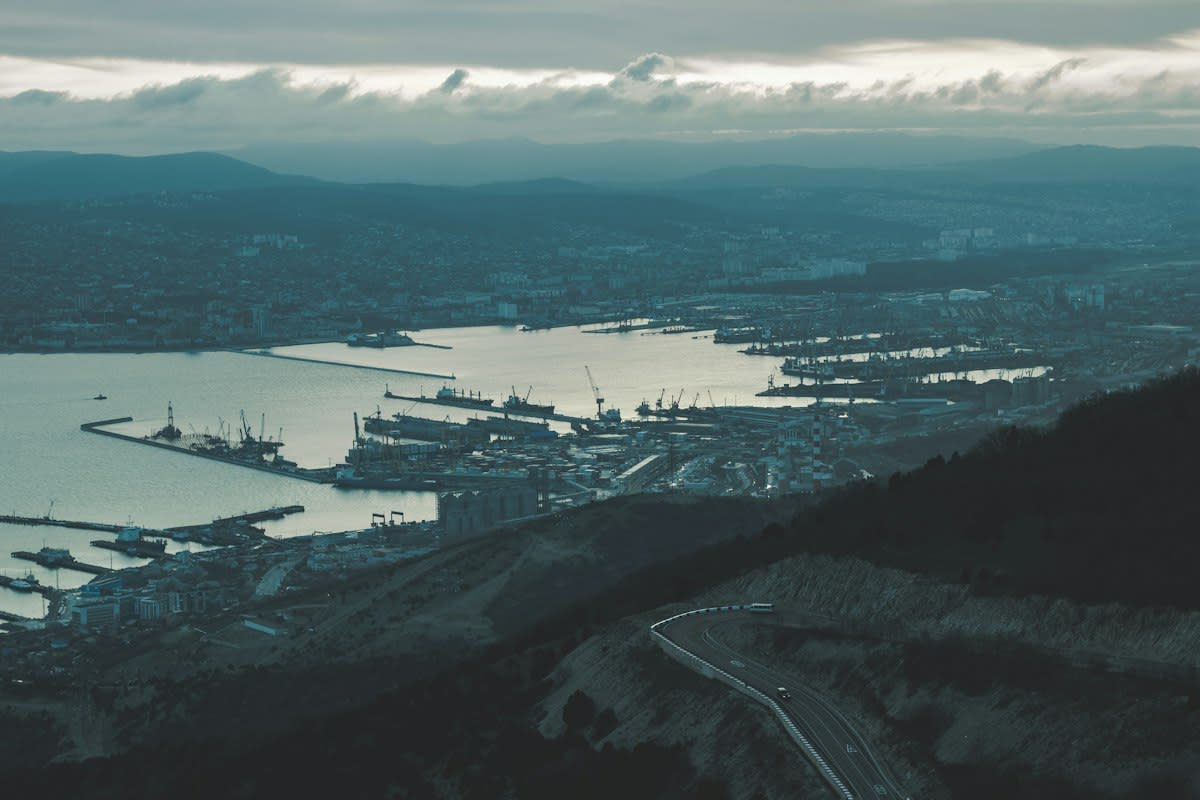
Simandou does not exist in a vacuum. It is part of a broader systemic shift in how African minerals are traded. We are seeing a clear trend where China's imports from Africa are shifting; for example, in copper, smelted metal is overtaking raw ore (Source: GTAIC, 2026). The market is beginning to price in regional refining infrastructure rather than just raw concentrate freight (Source: GTAIC, 2026). This is the 'Value-Add' pivot that every resource-rich nation is chasing.
If Guinea can leverage the Simandou railway not just for iron ore, but as a corridor for other industries, it transforms from a mining outpost into a regional logistics hub. The railway is the catalyst. The question is no longer 'how much ore is in the ground?' but 'how much value can be captured before the ore leaves the coast?' This shift in mindset—from extraction to infrastructure—is what will actually decide the winners of the global battery and industrial race.
Fact-Check & Accuracy Note
Key claims regarding GDP growth (26-55%) and government revenue shifts (2.2% to 3.4%) are sourced from the IMF Country Report No. 24/131 (2024). Tax rates and specific royalty figures are derived from Rio Tinto's 2025 Taxes and Royalties Paid Report. The shift in China's import preference toward smelted metals is attributed to GTAIC (2026). The primary area of ongoing debate remains the actual timing of the coordinated commissioning of rail and port facilities.
Editorial Perspective
Editorial Note: This analysis intentionally avoids the 'resource curse' narrative. Instead, it focuses on the agency of the Guinean state and the strategic necessity of infrastructure. The focus is on the systemic shift in logistics as the primary driver of economic resilience.
Ultimately, the Simandou railway is a litmus test for the modern extractive industry. Can a $200bn project be delivered in a volatile environment without succumbing to the frictions of coordination? If Rio Tinto and the Guinean government succeed, they will have created a blueprint for the next century of resource development. If they fail, Simandou will be remembered as the most expensive railway to nowhere. But the potential for a 55% GDP increase is too large to ignore, and the shift toward refined exports is too strong to reverse.