Prerequisites for Modern Infrastructure Deployment
Most developers approach AI data centers as a real estate play. They are wrong. In 2026, these facilities are strategic assets. In the UK, the government officially designated physical data centres and cloud infrastructure as Critical National Infrastructure (CNI) in late 2024. This means you are no longer just managing a warehouse of GPUs; you are managing a node in a national resilience framework. If you haven't mapped your legal obligations against the UK's cyber-resilience reforms or the EU's data sovereignty laws, you are building on sand.
- Validated energy capacity (Nuclear or high-output renewable)
- Water rights clearance (Specifically for regions atop aquifers like the Ogallala)
- CNI compliance certification for UK/EU operations
- Severe weather risk portfolio analysis based on recent Zurich loss data
Once the legal and site prerequisites are locked, the focus moves to the three pillars of survival: energy, water, and environmental hardening.
Phase 1: Securing Baseload Power
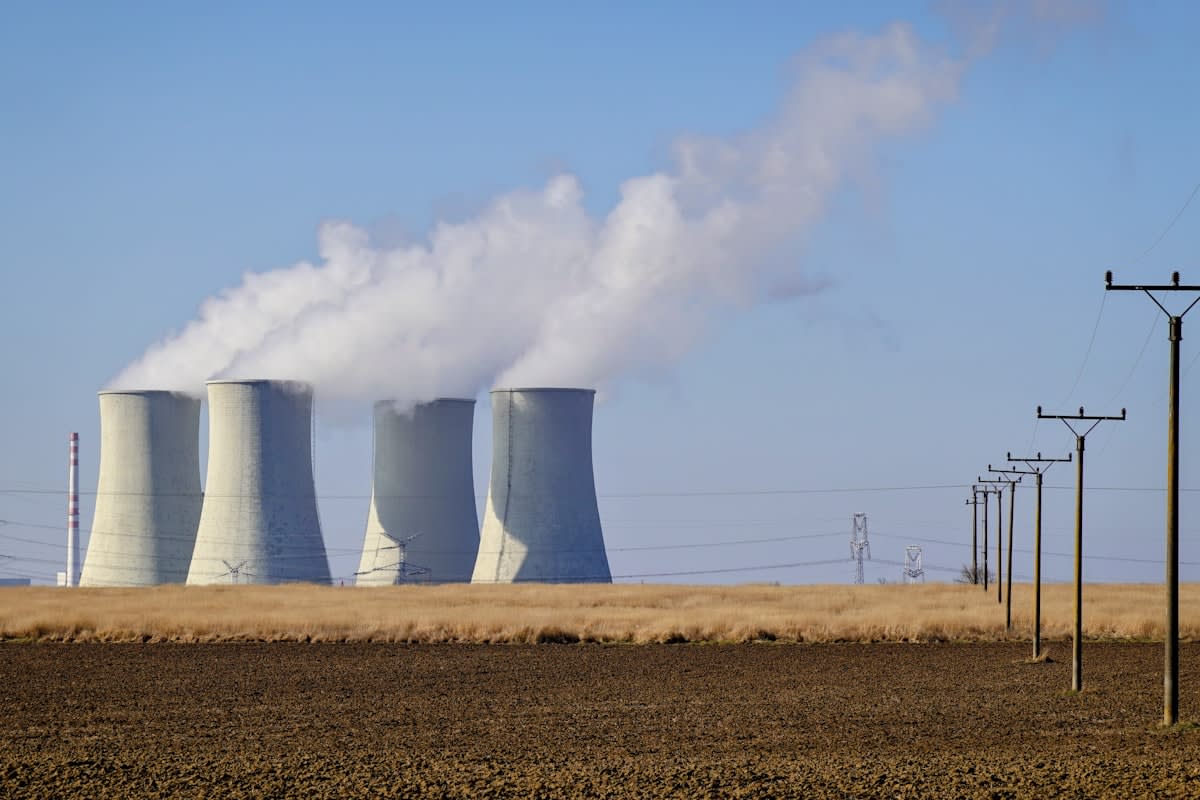
Solar and wind are fine for PR, but hyperscale AI demands constant, massive baseload power. The US Department of Energy is now aggressively financing the solution. Secretary Chris Wright announced on June 23 that the DOE would finance five eligible nuclear power plants, each utilizing two Westinghouse reactors. This isn't just about capacity; it's about timeline. These loans aim to accelerate reactor construction by up to three years.
"They will also help accelerate the timeline of building those large-scale reactors by up to three years, lowering construction costs and ensuring the United States is able to deliver on President Trump’s bold and ambitious energy addition agenda."— Chris Wright, DOE Secretary
If you aren't negotiating direct-to-source nuclear agreements, you're leaving your uptime to the whims of a fragile grid. This shift toward dedicated nuclear power is the only way to sustain the compute density required for the next generation of LLMs.
Phase 2: Water Stewardship and Thermal Management
Water is the new bottleneck. In the US Great Plains, proposed AI facilities are sitting directly atop the Ogallala Aquifer, pitting digital growth against agricultural survival in Texas and Wyoming. Meanwhile, Illinois is moving toward the POWER Act (introduced February by Sen. Ram Villivalam and Rep. Robyn Gabel), which would mandate public transparency on water use and force data centers to pay for their own renewable energy.
- Audit your water source: If you are near the Ogallala Aquifer, pivot to closed-loop cooling to avoid local regulatory backlash and agricultural conflict.
- Implement real-time fluid monitoring: Use spectrometers (like those developed by Omen AI) to monitor fluid health and spot bacterial growth before it compromises the cooling system.
- Establish Community Benefit Agreements: Follow the Illinois POWER Act model by creating transparent water-use reporting to prevent local government injunctions.
- Integrate specialized compute clouds: Partner with providers like TensorWave that utilize AMD chips and optimized cooling to reduce overall thermal load.
Technical Insight
Omen AI, which raised $40 million since 2024, is proving that the key to GPU density isn't just more fans—it's the chemical health of the cooling fluid itself.
Thermal management isn't just about the internals; it's about the external environment colliding with your hardware.
Phase 3: Hardening Against Severe Weather
Stop treating weather as a background risk. According to Zurich's Head of International Construction, Patrick McBride, severe weather is now the leading cause of loss in their U.S. data center builders' risk portfolio, driving one-third of the company's losses. Extreme heatwaves are no longer outliers; they are operational constants.
| Risk Factor | Impact | Mitigation Strategy |
|---|---|---|
| Severe Weather | 1/3 of Zurich's US losses | Climate-resilient shell design & redundant cooling |
| Water Scarcity | Aquifer depletion (Ogallala) | Closed-loop systems & spectrometer monitoring |
| Regulatory Shift | CNI Designation (UK/EU) | Legal alignment with national resilience frameworks |
| Energy Gap | Grid instability | Dedicated nuclear (Westinghouse reactors) |
Common Pitfalls
- Assuming 'Cloud' means 'Invisible': Ignoring the physical CNI designations in the UK and EU leads to massive compliance gaps.
- Over-reliance on the Grid: Failing to secure baseload power (like the DOE-funded nuclear plants) leaves you vulnerable to energy rationing.
- Ignoring the 'Water War': Building atop critical aquifers without a low-water cooling strategy invites lawsuits from agricultural communities.
- Underestimating the Delta: Treating 2026 weather patterns as if they were 2016 patterns, ignoring the surge in builders' risk losses.