
Prerequisites for Tropical Edge Deployment
Water wins. The humidity in Ho Chi Minh City doesn't just sit in the air; it migrates into every microscopic gap in your chassis. Since the Samsung Electronics HCMC CE Complex integrates its 28 MWp solar project, power stability allows for higher compute loads, but heat increases. Heat creates condensation cycles that eat through standard seals in weeks. You cannot rely on generic IP-rated enclosures when deploying high-density compute in the tropics.
- Industrial-grade chassis with reinforced gaskets
- Conformal coating (Acrylic or Silicone) for all PCBs
- Hydrophobic thermal interface materials (TIM)
- Pressure-equalization vents (Gore-tex or equivalent)
- Corrosion-resistant fasteners (Stainless steel 316)
Firmware bugs in Taipei are a nuisance. A brownout in Kinshasa is a logistical nightmare. However, moisture ingress in HCMC is a silent killer that bypasses software fixes. Corroded traces on an industrial motherboard are permanent. You cannot patch a short-circuit caused by salt-laden air and 90% relative humidity.
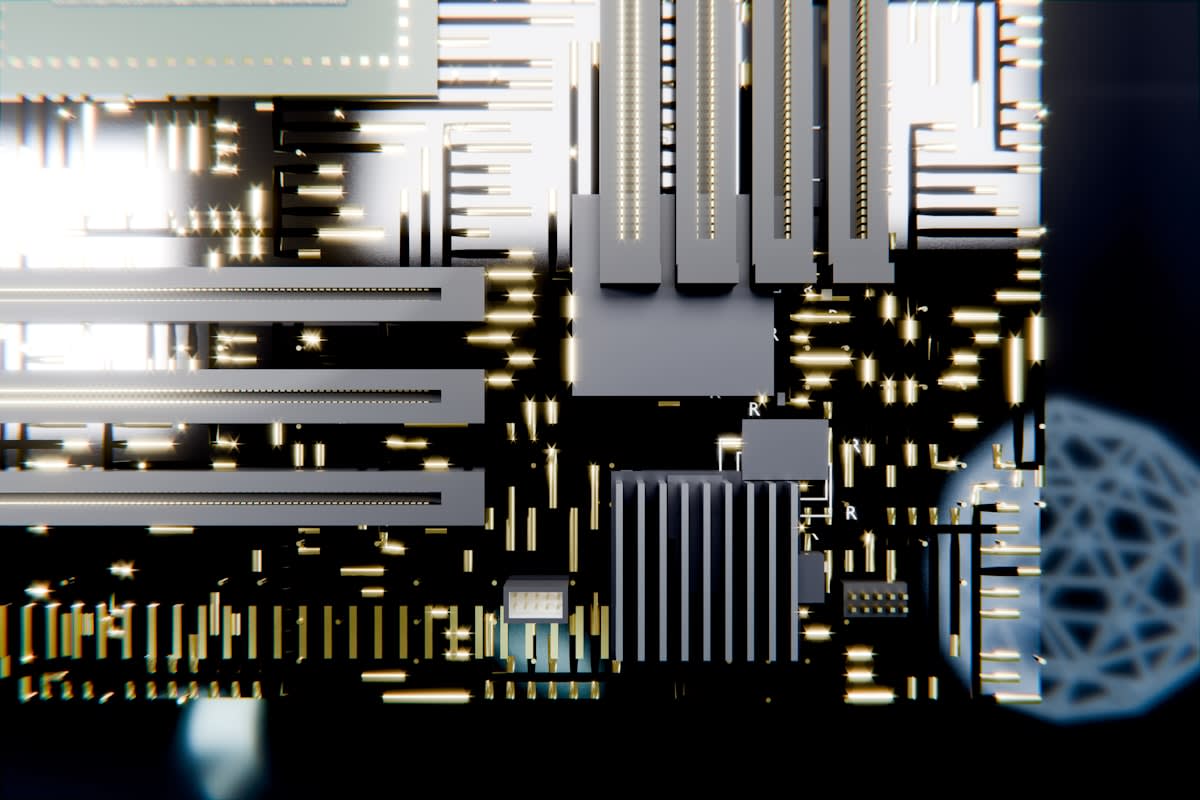
Implementation Sequence for Thermal Sealing
- Audit the thermal profile of the Edge AI platform, specifically focusing on the heat output of Intel Core Ultra or Panther Lake processors.
- Apply a military-grade conformal coating to the industrial motherboard to prevent moisture from bridging electrical contacts.
- Install specialized thermal seals around the chassis perimeter using EPDM (Ethylene Propylene Diene Monomer) gaskets for UV and heat resistance.
- Seat the heat sink using a high-conductivity, hydrophobic thermal pad that prevents moisture accumulation between the die and the cooler.
- Seal all I/O ports with rubberized grommets to stop vapor migration into the internal circuitry.
- Verify the seal integrity using a vacuum leak test before final deployment at the site.
Heat sinks attract moisture. Cold silicon in a hot room creates a dew point disaster. Every Avalue platform utilizing Intel Core Ultra processors faces this threat because high-performance computing creates extreme temperature gradients. Moisture settles on the capacitors during power-down cycles. Eventually, the board shorts and the unit is bricked.
"If you think an IP65 rating is enough for HCMC, you've never seen a motherboard dissolve in a monsoon. The seal is the only thing between a functioning AI node and a very expensive paperweight."— Lead Field Engineer, Edge Infrastructure
| Seal Material | Humidity Resistance | Thermal Stability | Lifespan in HCMC |
|---|---|---|---|
| Standard Silicone | Moderate | Low | 12-18 Months |
| EPDM Rubber | High | High | 60+ Months |
| Viton (FKM) | Extreme | Extreme | 120+ Months |
Solar arrays generate massive power. The 28 MWp system at Samsung's HCMC complex ensures the lights stay on for the second largest global manufacturing site. But electricity doesn't stop the rain. Humidity penetrates the seals of the monitoring hardware. Hardware dies regardless of how much green energy is feeding it.
The Sealing Paradox
Thermal runaway in sealed units is a real risk. You must balance the airtight seal with a passive heat dissipation strategy, or the Intel Panther Lake chips will throttle to 10% capacity within minutes.

Scale amplifies failure. A single failing node is a ticket; a thousand failing nodes is a catastrophe. Samsung's massive footprint in HCMC means their edge deployments are dense. Dense hardware generates more heat. Such heat accelerates the degradation of inferior seals, leading to a cascading failure across the network.
Common Pitfalls in Tropical Sealing
Cheap seals fail. Silicone degrades under constant UV exposure and high heat. EPDM handles the tropical cycle better. Many engineers ignore the dew point when designing the internal airflow. Resulting condensation kills the motherboard from the inside out.
- Using consumer-grade adhesive tapes instead of mechanical gaskets
- Over-tightening fasteners, which crushes the seal and creates leak paths
- Ignoring the 20-year PPA timeline and using seals that only last 2 years
- Applying conformal coating over the thermal pads, insulating the CPU
- Failing to install pressure vents, leading to vacuum-induced seal failure
Maintenance is often an afterthought. Seals dry out. Gaskets crack. If your deployment plan doesn't include a physical inspection of the thermal barriers every twelve months, you are just waiting for a short circuit. The cost of a replacement Avalue industrial PC far outweighs the cost of a high-grade Viton seal.