
The End of Thermal Degradation
Peptistar just integrated Asahi Kasei's forward osmosis–membrane distillation (FO–MD) system into its manufacturing line. This move eliminates the need for heat or pressure during the dehydration and concentration of active pharmaceutical ingredients (APIs). Water removal now occurs via an osmotic pressure difference across a specialized membrane. Such mild conditions prevent the molecular breakdown that typically plagues high-purity biologics. Manufacturing scale trials are currently underway to validate the process for GMP production.
Previous standards relied on thermal evaporation or high-pressure filtration. These methods often compromised the integrity of sensitive peptides and proteins. Asahi Kasei first developed this FO-MD technology in 2018, but the jump to manufacturing scale in July 2026 represents a massive delta in capability. High-purity solutions can now be concentrated without risking the denaturation of the API. This technical leap ensures that the final drug product maintains maximum potency.
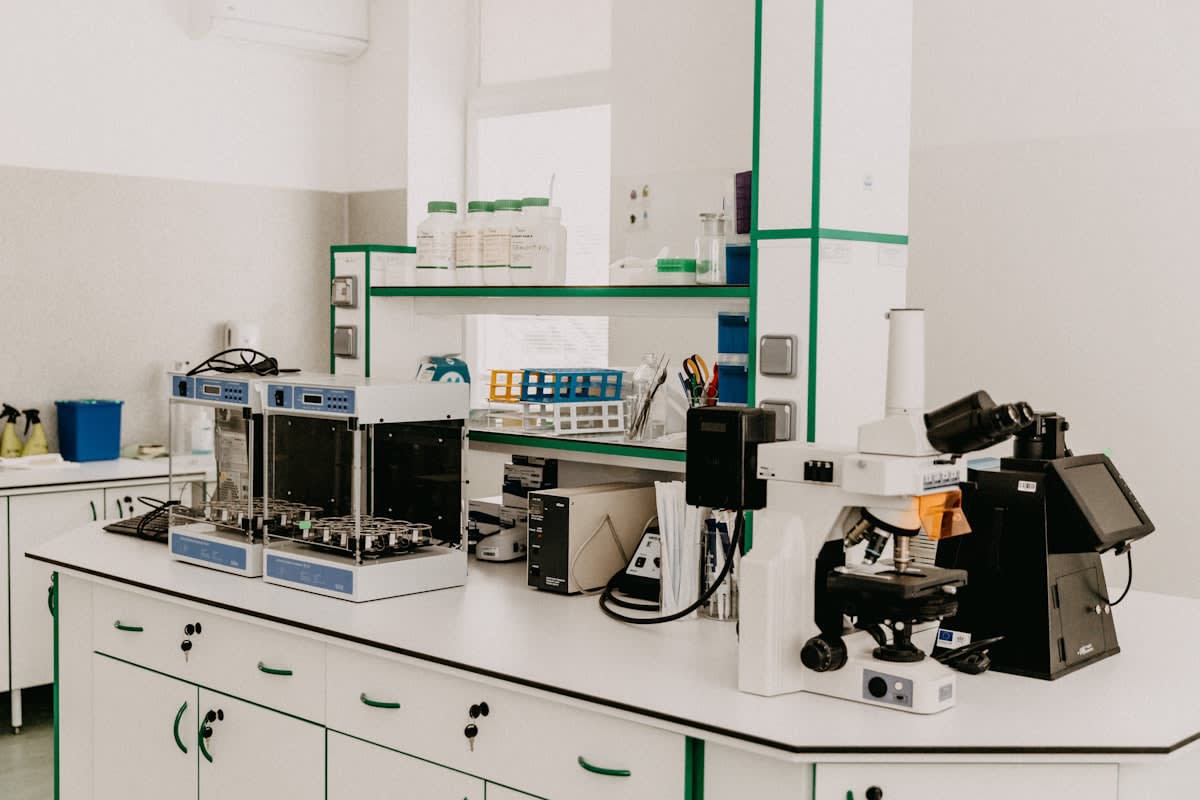
Technical Edge
The FO-MD process replaces energy-intensive heating with osmotic pressure. This removes the primary cause of API degradation during the concentration phase.
Comparing this to the state of the industry twelve months ago reveals a clear trajectory. Most CDMOs were still struggling with the trade-off between concentration speed and product purity. Now, the ability to operate under mild conditions allows for the production of more complex, unstable molecules. These molecules were previously impossible to scale without significant loss of activity. The transition to manufacturing scale means these high-purity APIs are no longer lab curiosities.
Consolidated Biologics Infrastructure
Bora Pharmaceuticals completed its acquisition of MacroGenics' Rockville manufacturing operations this July. Twenty thousand liters of single-use bioreactor (SUB) drug substance manufacturing capacity now sit under a single corporate umbrella. This footprint extends across Rockville, Maryland, San Diego, California, and a development facility in Zhubei, Taiwan. Such a layout contrasts the fragmented production typical of smaller biotech firms. Localized power stability in Maryland now complements the high-tech chip and bio-clusters of Hsinchu and Zhubei.
Integration of drug substance (DS) and sterile drug product (DP) capabilities is slated for the next 12 to 18 months. This timeline aims to create a seamless flow from raw biological material to final vial. Over 120 GMP batches have already been completed across these sites. Four active commercial programs are currently utilizing this infrastructure. The scale of 20,000L SUBs allows for rapid pivoting between different drug candidates without the downtime of cleaning stainless steel tanks.
| Facility Location | Primary Function | Key Capability |
|---|---|---|
| Rockville, MD | GMP Manufacturing | Single-Use Bioreactors |
| San Diego, CA | GMP Manufacturing | Drug Substance Production |
| Zhubei, Taiwan | Development | Early-Stage Biologics |
Supply chains for the US, EU, Japan, Canada, and the UK now have a consolidated point of origin. This reduces the logistical risk of transporting unstable intermediate drug substances across borders. By housing QC and analytical capabilities within the same sites, Bora eliminates the lag time between production and release. Efficiency gains here are measured in weeks of saved time per batch. The physical constraint is no longer the bioreactor size, but the speed of analytical verification.
Bora Biologics Capacity Distribution
Executive Insight
+18.4%
YTD Growth
Advanced Delivery and Peptide Platforms
Besins Healthcare acquired UniD Manufacturing in Belgium to secure expertise in long-acting drug delivery. This Belgian specialist brings over 20 years of experience in advanced polymer-based formulations. Implants and vaginal rings require precise polymer chemistry to control the release rate of the drug. Only a few companies globally possess the capability to manufacture these complex delivery systems. Besins is now positioning UniD as a strategic innovation hub for hormonal health.
Simultaneously, Proteimax has introduced a peptide discovery platform featuring 54 natural micro-peptides. Their lead candidate, PEP19, is already commercialized in the United States and Brazil. Unlike traditional metabolic drugs that rely on brain signaling pathways, PEP19 acts directly on fat cells. This mechanism represents a fundamental change in how metabolic health is treated. Human trials have already demonstrated the efficacy of this direct-action approach.
"The discovery of PEP19 is a breakthrough for humanity, acting directly on fat cells rather than through brain signaling pathways."— Proteimax Executive
Merging these three trends—heat-free concentration, massive bioreactor scaling, and direct-action peptides—creates a new baseline for high-purity pharma. The cost of failure in these systems is astronomical, often resulting in the loss of million-dollar batches. Precision is the only hedge against this risk. Every single-use bag and every osmotic membrane is a point of failure that must be managed with absolute rigor.
The industry is no longer chasing theoretical purity. It is now solving the physics of scale. From the sterile halls of Rockville to the polymer labs of Belgium, the focus has moved to the physical constraints of the molecule. High-purity pharmaceuticals are now a matter of engineering, not just chemistry.