
Walk into a high-end textile mill in Surat today, and the auditory landscape has changed. The jarring clatter of rigid industrial arms is being replaced by the rhythmic, muted hiss of pneumatic actuators. For decades, the industry relied on hard automation—steel grippers and fixed-path servos—which worked efficiently for heavy looms but failed miserably when handling delicate silks or fine cottons. These rigid systems lacked the tactile sensitivity required to move fabric without snagging or crushing the weave, leading to high scrap rates and a continued, desperate reliance on manual labor for the final, most sensitive stages of production.
The frustration peaked around 18 months ago when Indian exporters faced tightening quality standards from European luxury brands. Rigid robotics simply could not mimic the human touch; they lacked compliance. A steel gripper does not know the difference between a thick seam and a fragile thread, often resulting in micro-tears that render expensive fabric useless. This failure created a bottleneck where automation stopped at the cutting table, leaving the folding, sorting, and packaging to a shrinking pool of skilled manual laborers who are increasingly demanding higher wages.
The End of the Rigid Grip
Soft robotic actuation solves this by replacing metal joints with elastomeric materials and fluid-driven chambers. Instead of a motor turning a gear, these systems use compressed air to expand silicone-based actuators, allowing the gripper to wrap around a piece of fabric organically. This compliant movement distributes pressure evenly across the surface area of the textile, eliminating the point-pressure spikes that cause fabric deformation. It is a fundamental change in how machines interact with matter, moving from a philosophy of 'precision through rigidity' to 'precision through adaptability'.
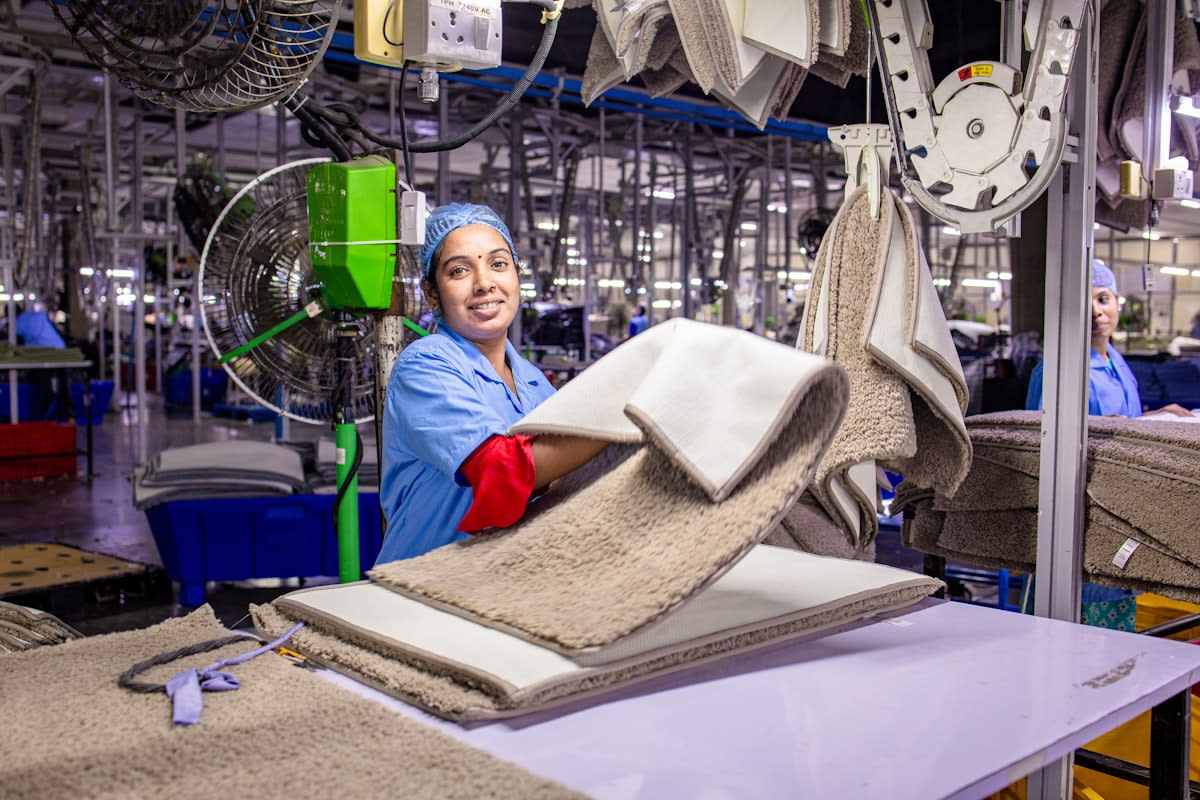
The technical transition is most evident when comparing the current quarter to the same period last year. Twelve months ago, soft robotics in Indian mills were largely confined to university pilot programs or expensive, imported prototypes from Japan and Germany. Today, we are seeing the emergence of homegrown, low-cost pneumatic systems developed in collaboration with technical institutes in Tamil Nadu and Gujarat. These systems are not just marginally better; they are fundamentally different in their approach to material science, utilizing locally sourced polymers that can withstand the heat and humidity of an Indian factory floor.
The Compliance Factor
The shift toward soft actuation is not about replacing humans, but about bridging the gap where rigid robots failed. It is the first time automation has successfully entered the 'touch-sensitive' zone of textile manufacturing.
Why is this happening now? The delta lies in the cost of air-driven logic. The price of precision pneumatic valves has plummeted, making it feasible for small-to-medium enterprises (SMEs) in Tirupur to implement soft grippers without a massive capital overhaul. While a traditional six-axis robot arm might cost upwards of $50,000 and require a dedicated engineer to program every millimeter of movement, a soft actuator system can be integrated into existing lines for a fraction of that cost, adapting to the fabric's shape in real-time without complex sensor arrays.
"We stopped trying to teach the robot how to feel the fabric and instead gave the robot a body that feels the fabric automatically. That is the core of the soft robotics revolution in our mills."— Arjun Mehta, Operations Head at a leading Surat Textile Cluster
| Metric | Rigid Automation (2023) | Soft Actuation (2024) |
|---|---|---|
| Fabric Wastage Rate | 12-15% | 2-4% |
| Integration Time | 4-6 Months | 3-5 Weeks |
| Initial CapEx | High ($$$) | Moderate ($$) |
| Material Versatility | Low (Specific weights) | High (Silk to Denim) |
This transition is creating a ripple effect across the supply chain. As mills reduce their wastage rates from 15% down to 3%, the cost per garment drops, allowing Indian manufacturers to compete more aggressively with Vietnamese and Bangladeshi exporters. The ability to handle high-GSM fabrics and ultra-light silks on the same line without changing hardware is a massive operational win. It removes the need for separate production lines for different fabric weights, effectively doubling the utility of the factory floor space.
But the impact extends beyond the balance sheet; it is changing the labor dynamic. For years, the fear was that robotics would lead to mass unemployment. However, soft robotics requires a different kind of oversight. Workers are being upskilled from manual handlers to 'actuator technicians,' managing the pneumatic pressures and material integrity of the silicone components. This shift is moving labor from repetitive, back-breaking tasks to higher-value roles in system maintenance and quality control.
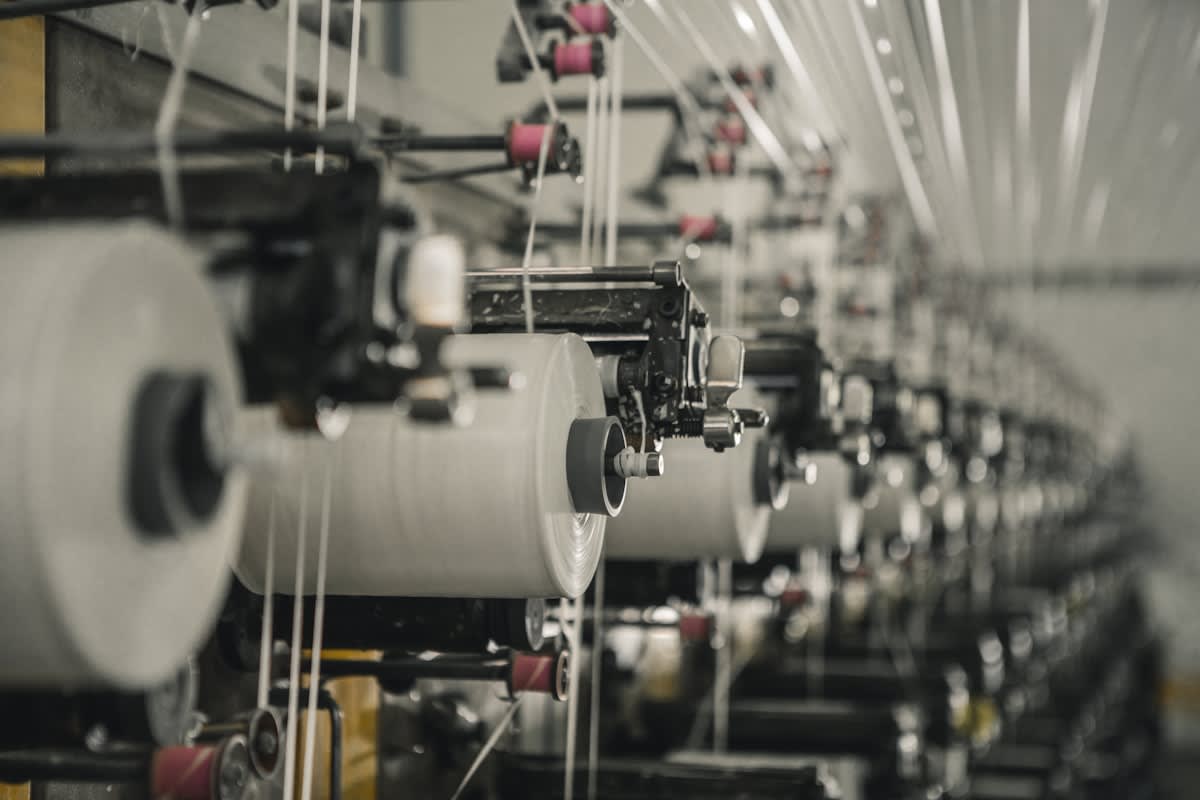
Looking at the data from the last six months, the adoption rate in SME clusters has spiked by approximately 35%. This is not a slow creep; it is a rapid migration. The trigger was the realization that soft robotics can be 'modular.' A mill doesn't need to replace its entire infrastructure; it can simply swap out a rigid gripper for a soft one. This plug-and-play capability has lowered the barrier to entry, allowing even family-run operations to modernize their finishing departments.
Year-over-Year Adoption of Soft Actuators in Indian SME Mills
Executive Insight
+18.4%
YTD Growth
The energy profile of these mills is also shifting. Rigid robots require constant power to maintain position and high torque for movement. Soft actuators, while requiring compressed air, often operate on lower total energy loads when integrated into intermittent pick-and-place cycles. This reduction in energy overhead, combined with the decrease in material waste, is making the 'soft' approach the only viable path for mills aiming for carbon-neutral certifications required by global retail giants.
The Competitive Edge in Global Exports
India's ability to scale this technology quickly gives it a strategic advantage in the luxury garment sector. While China has mastered the mass production of synthetic blends using rigid automation, India's strength lies in natural fibers and artisanal weaves. By automating the handling of these delicate materials, India can scale its luxury exports without losing the quality that defines the 'Made in India' brand. The question is no longer whether the technology works, but how quickly the remaining 60% of the industry can transition.
The final piece of the puzzle is the local ecosystem. We are seeing a surge in startups in Bengaluru and Pune focusing specifically on 'compliant grippers' for the textile sector. These companies are not just selling hardware; they are selling the integration services that make the transition seamless. This creates a virtuous cycle where local feedback from the mills in Surat informs the next generation of actuator designs, leading to faster iteration cycles than those seen in the West.
The bottom line is that the era of the 'clunky robot' in textiles is ending. The future is soft, compliant, and pneumatic. By embracing the inherent unpredictability of fabric through flexible hardware, India is not just upgrading its machinery—it is redefining the intersection of craftsmanship and automation. The quiet hiss of the air valve is the sound of a manufacturing superpower finding its grip.