Prerequisites for Tropical Deployment
Get the right gear. Avalue Industrial PCs are the baseline here. Specifically, you need platforms powered by Intel Core Ultra or Panther Lake processors. These units provide the low-power profile necessary to minimize the thermal gradients that invite condensation. Grab a set of industrial-grade conformal coating sprays. Heavy-duty silicone gaskets are non-negotiable for every chassis seal.
- Avalue Edge AI Platform (Intel Core Ultra/Panther Lake)
- Acrylic or Silicone Conformal Coating
- IP65-rated enclosure gaskets
- Dehumidification inserts (silica-gel based)
- Non-conductive thermal paste with high moisture resistance
The Physics of Tropical Failure
Jakarta is a steam room. High humidity levels turn standard server racks into condensation chambers. Water droplets form on cold heat sinks when the ambient temperature drops below the dew point. These micro-droplets bridge electrical traces, causing immediate short circuits and permanent hardware death. This differs fundamentally from a firmware bug in Taipei, which can be patched remotely; moisture is a physical executioner.
Industrial environments in the city exacerbate the risk. Research into local waste-to-energy (WtE) projects highlights a landscape dominated by organic matter with extreme moisture content. Such facilities create a localized microclimate of saturated air and corrosive organic vapors. Standard cooling fans simply pump this conductive soup directly onto the Intel processors. The result is accelerated galvanic corrosion of the solder joints.
Economic Pressure vs. Hardware Lifespan
The Jakarta Stock Exchange Composite Index jumped 2.5% recently, reflecting a surge in tech investment. This capital influx often leads to rushed deployments where hardware is slapped into environments without thermal modification, ensuring a high failure rate within six months.
Step-by-Step Thermal Modification
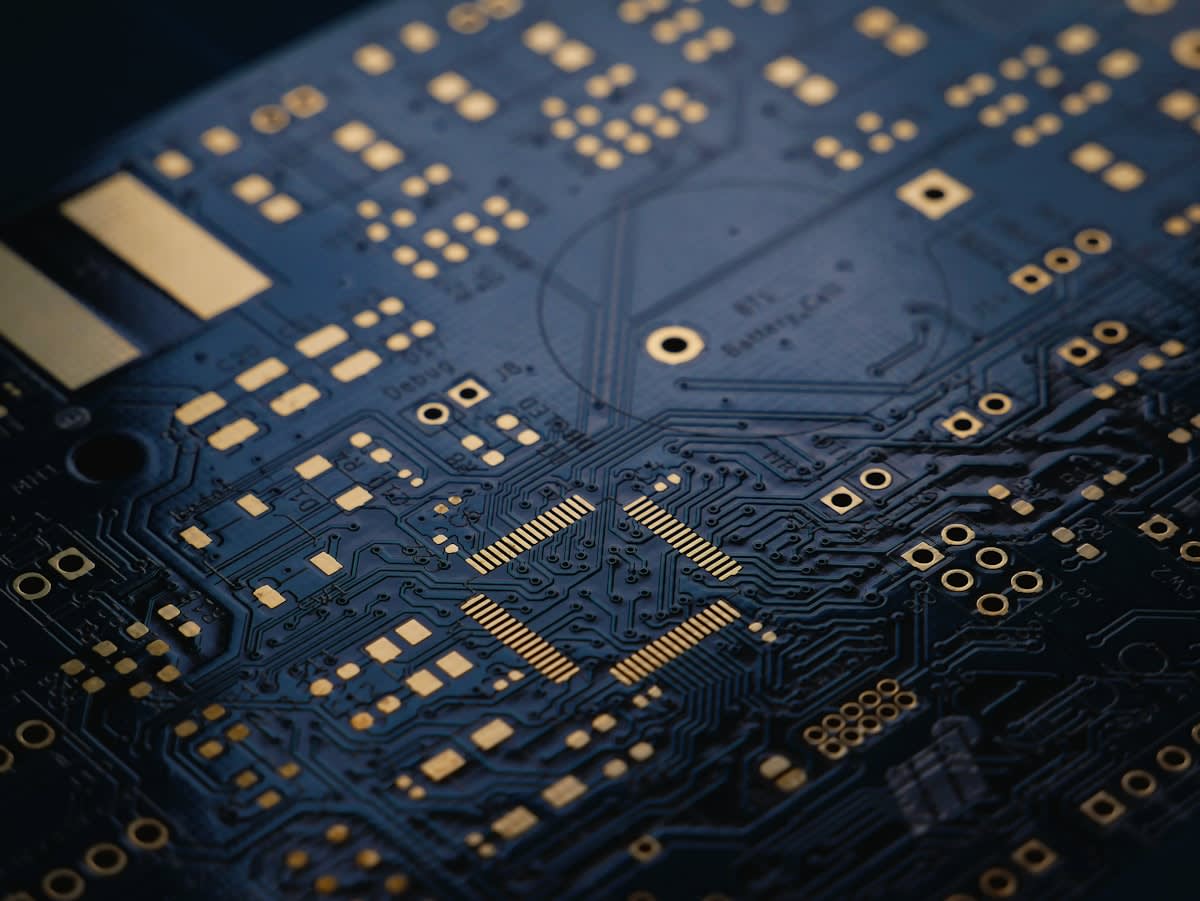
Modification begins with the motherboard. You cannot trust the factory finish in a tropical zone. Every inch of the PCB must be sealed to prevent moisture ingress. Use a thin, even layer of conformal coating to isolate the traces from the air.
- Apply a primary layer of acrylic conformal coating to the Avalue motherboard, avoiding the CPU socket and RAM slots.
- Install Intel Core Ultra processors to leverage lower TDP, reducing the temperature delta between the chip and the humid air.
- Fit the motherboard into an IP65-rated enclosure with reinforced silicone gaskets to block external moisture.
- Implement a weather cover similar to the thermal shielding used on NASA's Space Launch System (SLS) core stage to protect the external chassis from turbulent weather.
- Configure the internal fans to a positive-pressure setup using filtered intakes to prevent humid air from seeping through chassis gaps.
- Insert industrial-grade desiccant packs into the chassis void to absorb residual internal moisture.
Thermal management requires a shift in logic. Conventional cooling focuses on moving heat out. In Jakarta, you must focus on keeping the moisture out while the heat escapes. This is why Avalue's energy-efficient platforms are critical. Lower power consumption means less heat, which reduces the aggressive cooling needs that typically pull in moist air.

Shielding the exterior is the final defense. NASA uses weather covers for the SLS rocket to protect thermal systems from the unpredictable Florida coast. Apply this same logic to Edge AI servers. External shrouding prevents direct contact between the chassis and the saturated air, creating a buffer zone that stabilizes the temperature.
Hardware Performance Metrics
Efficiency is the only way to avoid thermal throttling in the tropics. High-performance chips like the Panther Lake series provide the necessary compute for AI without the massive heat signatures of older server architectures. This efficiency reduces the reliance on high-RPM fans that act as vacuum cleaners for humidity.
| Component | Standard Spec | Jakarta Modified Spec | Failure Risk |
|---|---|---|---|
| Processor | High TDP Xeon | Intel Core Ultra (Low Power) | Condensation |
| PCB Coating | None/Solder Mask | Acrylic Conformal Coat | Galvanic Corrosion |
| Enclosure | Perforated Steel | IP65 Sealed + Weather Cover | Moisture Ingress |
| Airflow | Open Loop | Positive Pressure Filtered | Particulate Short |
Market volatility affects the quality of these builds. While the KOSPI surged 5.8% and tech stocks recovered, the pressure to deploy AI at the edge has led to a decline in rigorous hardware vetting. Engineers are prioritizing deployment speed over physical durability. This negligence leads to catastrophic failures when the first monsoon season hits the server room.
Common Pitfalls
The dew point trap is the most frequent error. Technicians often over-cool the server room to combat the heat. This drops the hardware temperature below the ambient dew point, causing water to literally rain inside the server chassis. Keep the internal temperature slightly above the dew point to prevent liquid formation.
Fan bearing seizure is another silent killer. Humid air carries microscopic particulates that mix with lubricant in standard fans. This creates a grinding paste that wears down the bearings in weeks. Only use sealed, industrial-grade bearings for any intake or exhaust system.
Ignoring the organic load is a fatal mistake. In WtE sites, the air is not just wet; it is chemically active. Organic vapors penetrate standard seals and eat through copper traces. Conformal coating is not optional in these zones; it is the only thing standing between a functioning AI node and a pile of scrap metal.