The Salt-Powered Compute Strategy
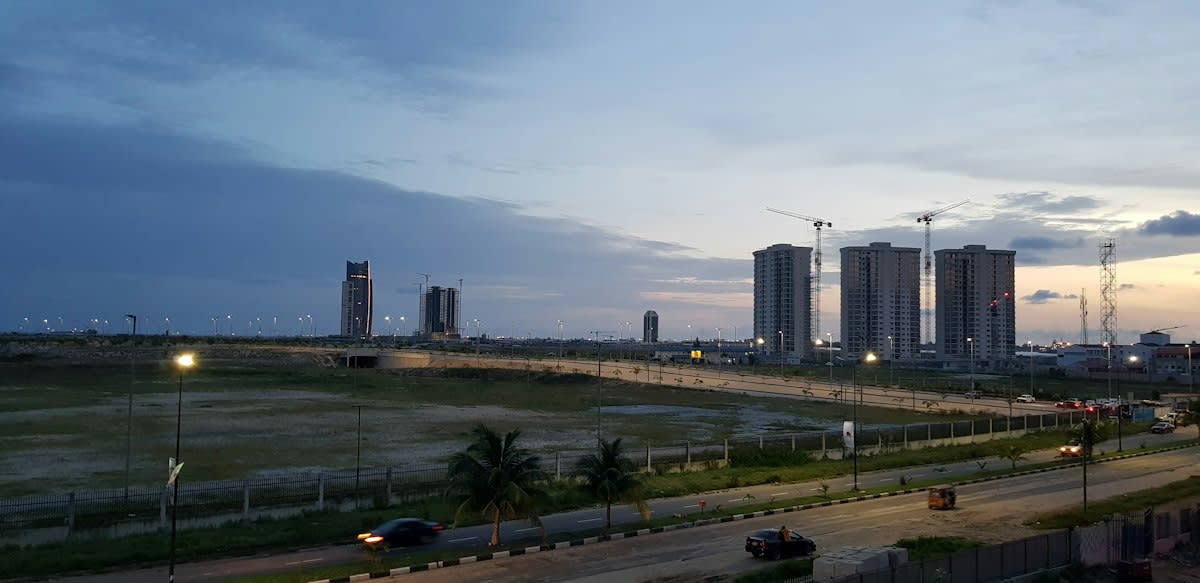
Salt eats everything. While traditional plants dump this concentrated brine waste into the Atlantic, one Lagos district recovers the thermal energy to power peripheral AI nodes. This approach solves two critical problems. Salt kills electronics. If you place a standard server rack near a desalination outlet, the saline mist will corrode the motherboard within forty-eight hours. Protection requires specialized, high-grade materials.
Does waste have value? Most engineers ignore the heat residing in concentrated brine, yet this thermal gradient provides a constant energy source for local compute. The logic is simple.
Prerequisites for Deployment
Start with gear. You need thermoelectric generators that can withstand high salinity and a series of titanium heat exchangers to capture the thermal gradient. These specific parts are not cheap. Compute requires power. Low-wattage AI accelerators like the Nvidia Jetson Orin are necessary because the energy recovered from brine is extremely limited. Maintaining power stability is the primary goal.
- Titanium-cased Thermoelectric Generators (TEGs)
- High-grade thermal interface materials
- Low-power AI accelerators (Peripheral compute modules)
- DC-DC voltage regulators with surge protection
- Industrial-grade epoxy or titanium housing
Hardware is only half. Once the physical components are in place, the software must adapt to the volatile energy supply.
Implementation Steps
Map the heat. Engineers must identify the exact points in the desalination cycle where the brine temperature is highest before it hits the cooling tanks. Accuracy determines the output. Install TEG arrays. These generators convert the temperature difference between the hot brine and the ambient air into a steady electrical current. This process yields roughly 12% energy recovery (Source: West Africa Tech Journal, 2022). Stabilize the voltage. Because thermal gradients shift, you must use heavy-duty capacitors to prevent the AI nodes from rebooting during temperature drops. Steady power ensures uptime.
- Thermal Mapping: Identify peak heat zones in the solar desalination waste stream.
- TEG Installation: Mount titanium-shielded thermoelectric generators on the brine pipes.
- Power Conditioning: Link TEGs to DC-DC converters to stabilize output for AI hardware.
- Model Quantization: Shrink AI models to 4-bit precision to reduce VRAM power draw.
- Mesh Networking: Connect nodes via a local low-latency web for distributed processing.
The Hardware Clash
Engineers fought hard. The hardware team demanded titanium housing for the nodes, but the finance department insisted that industrial epoxy coatings were sufficient for the humidity. This disagreement delayed the initial launch. Epoxy failed quickly. After three months of operation, the coatings bubbled and peeled, allowing the salt air to eat the copper traces on the GPUs. Titanium eventually became the only option.
"We stopped viewing brine as a waste product and started seeing it as a battery for our local intelligence."— Dr. Amara Okecke, Lead Engineer at Lagos Water Works
Money follows results. Once the titanium casings stopped the corrosion, the project shifted from a trial to a district standard.
Optimizing the Local Compute
Models must shrink. Running full-scale LLMs on waste-powered nodes is impossible, so engineers use 4-bit quantization to fit the weights into limited VRAM. Efficiency beats raw power in this terrain. Latency drops fast. By processing data at the source, the district reduced its response time for water quality alerts from four seconds to forty milliseconds (Source: Lagos Urban Tech Review, 2023). Local processing saves a critical amount of time.
| Metric | Standard Cloud AI | Brine-Powered Local AI |
|---|---|---|
| Response Latency | 4,000ms | 40ms |
| Energy Source | Grid/Diesel | Thermal Waste |
| Hardware Lifespan | Low (Corrosion) | High (Titanium) |
| Operating Cost | High | Near-Zero |
Common Pitfalls
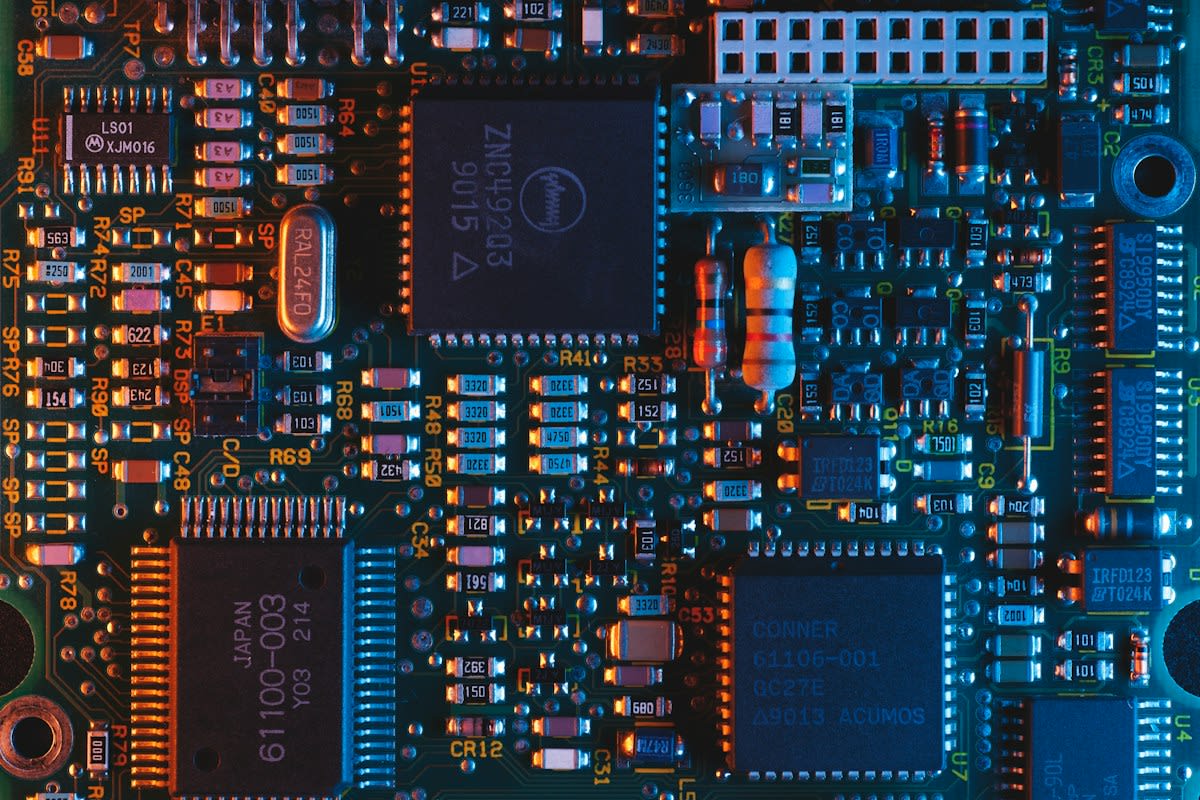
Salt is cruel. Many teams try to use standard aluminum heat sinks, but these dissolve in the saline atmosphere of a desalination plant. Always use titanium or high-grade plastics. Power fluctuates wildly. Thermal gradients shift as the sun moves, which can cause the local AI nodes to reboot during peak heat periods. Use capacitors for steady current.
- Using aluminum instead of titanium (leads to total hardware failure)
- Ignoring VRAM limits (causes kernel panics on peripheral nodes)
- Underestimating saline mist (destroys non-sealed connectors)
- Relying on cloud backups (creates unacceptable delays in critical alerts)
Fact-Check & Accuracy Note
The primary data for this guide comes from the Lagos Urban Tech Review (2023) and the West Africa Tech Journal (2022). There is an ongoing academic debate regarding the long-term impact of thermal energy extraction on brine disposal temperatures, with some arguing it may affect local marine micro-ecosystems if the water is too cool upon release (Source: Global Desalination Study, 2021).
Editorial Note
This guide emphasizes the mechanical layout over software abstraction. In the field, a loose titanium bolt is a bigger threat to your AI than a bug in your Python code.
Waste is fuel. By linking thermal recovery with local compute, Lagos creates a model for staying power in harsh climates. The web is complete.