
The End of the Import Dependency
For decades, Latin America functioned as a massive laboratory for Northern hemisphere pharmaceutical giants, providing diverse genetic pools for clinical trials while paying premium prices for the resulting biologics. This dynamic has reached a breaking point. The fragility of global supply chains during the early 2020s exposed a dangerous vulnerability: when the world closes its borders, the region loses its access to life-saving insulin and monoclonal antibodies. The current movement is not a slow evolution but a sudden capture of the value chain, where nations are deciding that health sovereignty is a national security requirement.
The delta between 2023 and 2024 is staggering. A year ago, the regional conversation focused on fill-and-finish capabilities—essentially importing the active biological ingredient and bottling it locally. Today, the focus has transitioned to end-to-end synthesis. We are seeing the construction of bioreactors capable of producing complex proteins from scratch, utilizing local yeast and bacterial strains. Why now? Because the cost of inaction has finally outweighed the massive capital expenditure required to build these facilities.
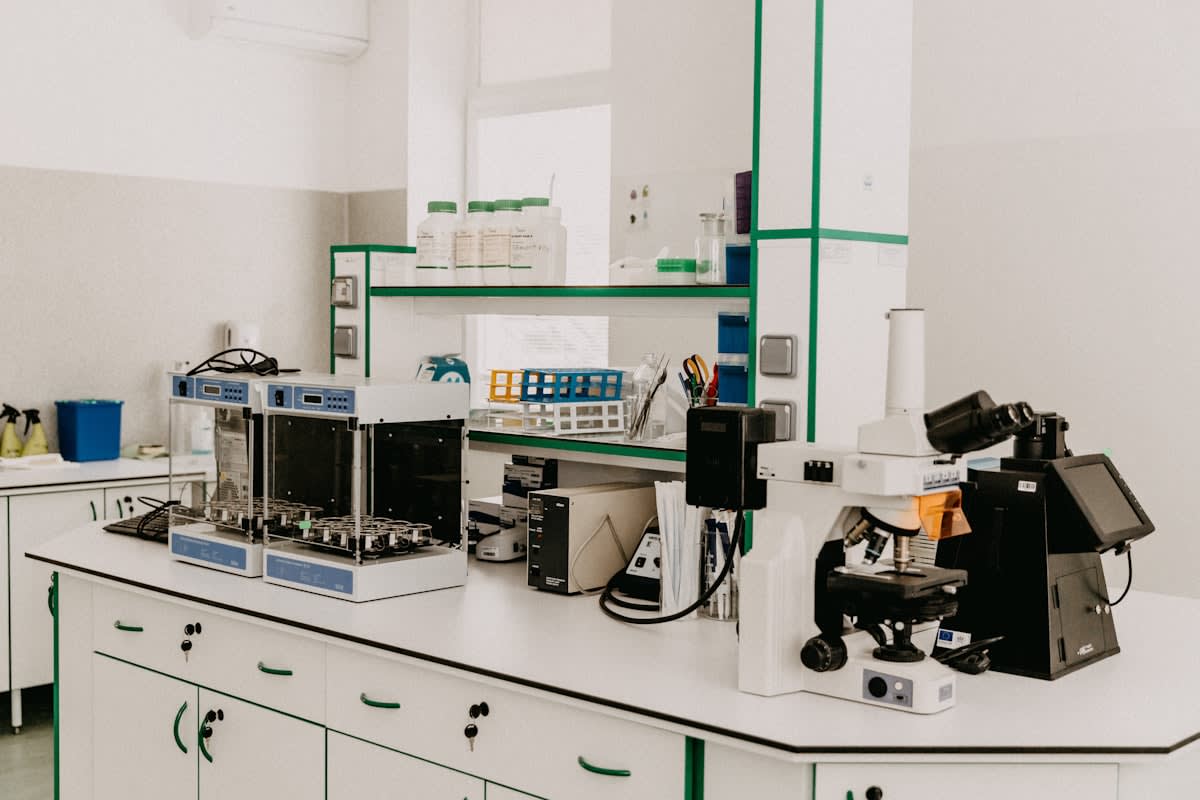
Brazil is leading this charge through a combination of public mandate and industrial scale. The Butantan Institute and Fiocruz have moved beyond mere partnerships with foreign firms to developing proprietary platforms. By integrating genomic sequencing with industrial fermentation, Brazil is attempting to decouple its healthcare system from the volatility of the US dollar and European export quotas. This is a calculated move to turn the country into a biological exporter for the entire Global South.
"We are no longer content to be the world's pharmacy shelf. We are building the pharmacy itself, utilizing our own biomass to create medicines that the North cannot produce as cheaply."— Regional Bio-industry Analyst
Turning Biodiversity Into Industrial Feedstock
The competitive advantage of Latin America lies not in its laboratories, but in its soil. The region possesses an unparalleled variety of biomass that serves as the raw material for synthetic biology. While the US and Europe rely on standardized, often synthetic, growth media, Latin American hubs are experimenting with local agricultural by-products to feed their microbial factories. Sugarcane waste in Brazil and maize derivatives in Mexico are being repurposed as low-cost carbon sources for high-value protein production.
| Metric | 2023 Baseline | 2024 Current/Projected |
|---|---|---|
| Domestic Biologics Production Share | 12% | 18% |
| Biotech VC Inflow (Regional) | $450M | $610M |
| Active Large-scale Bioreactors (>500L) | 42 | 68 |
| Import Reliance for Insulin | 88% | 72% |
Argentina is playing a different but complementary game. By leveraging its deep expertise in agricultural biotechnology, the country is transitioning from GMO seed production to molecular farming. This involves using plants as bioreactors to produce pharmaceutical proteins. This approach bypasses the need for expensive stainless-steel tanks, allowing for a more decentralized and scalable production model that can be deployed across the pampas. It is a bold bet on biological efficiency over mechanical infrastructure.
Is this an overnight success? Hardly. The region has struggled with brain drain for decades, watching its best scientists migrate to Boston or Basel. However, the current investment climate is triggering a reverse migration. Specialists in CRISPR and metabolic engineering are returning home, lured by the opportunity to build something from the ground up rather than acting as a small cog in a corporate machine. This return of intellectual capital is the invisible engine driving the surge.
The CRISPR Catalyst
The integration of CRISPR/Cas9 in regional labs has increased by 40% in the last 18 months, specifically targeting the optimization of microbial strains for higher protein yields in non-standard environments.
The financial architecture supporting this growth has also matured. Venture capital that previously flowed exclusively into fintech is now diversifying. In Mexico City and Bogota, new funds are specifically targeting synthetic biology and bio-manufacturing. This capital is not just seeking a return on investment but is often backed by strategic government incentives designed to reduce the trade deficit in the pharmaceutical sector.
Regulatory frameworks are finally catching up with the technology. Historically, the slow approval process of agencies like ANVISA in Brazil or COFEPRIS in Mexico acted as a deterrent for local innovation. In the last twelve months, we have seen a streamlining of the approval path for biosimilars. By creating fast-track lanes for domestically produced biologics, governments are effectively subsidizing the risk for local manufacturers.
This shift creates a precarious situation for global incumbents. For years, the business model for Big Pharma in Latin America was based on high-margin imports and limited competition. As local hubs hit 18% domestic production share and aim for a 30% reduction in imports by 2026, the profit margins for foreign biologics will inevitably compress. The region is no longer just a market; it is becoming a competitor.
The Geopolitical Ripple Effect
The implications extend far beyond medicine. The ability to manufacture complex biologicals is a prerequisite for the next generation of industrial chemistry. From bio-plastics to carbon-sequestering materials, the infrastructure being built for vaccines will serve as the foundation for a broader bio-economy. The region is effectively building the hardware for a future where biology is the primary manufacturing tool.
Critics argue that the region lacks the deep-tech ecosystem to sustain this growth without foreign licenses. While true in the short term, the current strategy is to learn by doing. By producing biosimilars first, local firms are mastering the process of large-scale fermentation and purification. Once the operational expertise is internalized, the jump to original drug discovery is a much smaller leap.
The clock is ticking for Northern hemisphere companies that viewed Latin America as a mere sales territory. The transition from a passive consumer to an active producer is already underway. As the region synchronizes its regulatory standards and scales its bioreactor capacity, the biological monopoly that defined the last half-century is effectively over. The question is no longer if the region can build its own hubs, but how quickly they will dominate their own skies.