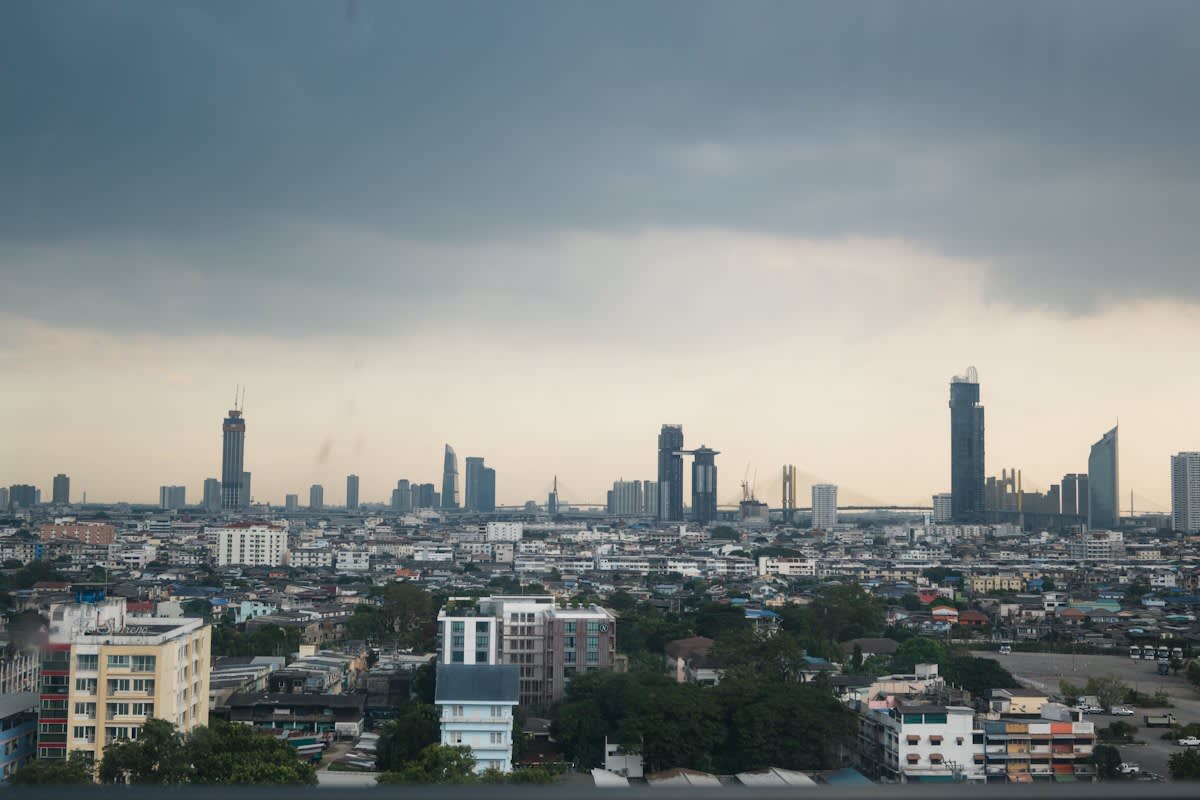
Bangkok is sinking. The city settles into the soft clay of the Chao Phraya delta while the centralized power web struggles to maintain voltage across aging substations that flood every monsoon season. This is a weight the grid cannot carry. Power is fragile. When a single transformer fails in Pathum Wan, the resulting blackout ripples through commercial hubs and halts the digital flow of thousands of small businesses. Localized generation offers a way out.
The shift is now. Twelve months ago, microgrids existed as academic curiosities or expensive toys for luxury malls in the Sukhumvit district (Source: Thailand Energy Outlook, 2023). Today, the Metropolitan Electricity Authority has expanded its P2P trading sandbox to include five new commercial zones (Source: MEA, 2024). The delta is clear. In 2023, the focus remained on stability; in 2024, the focus moved toward autonomy.
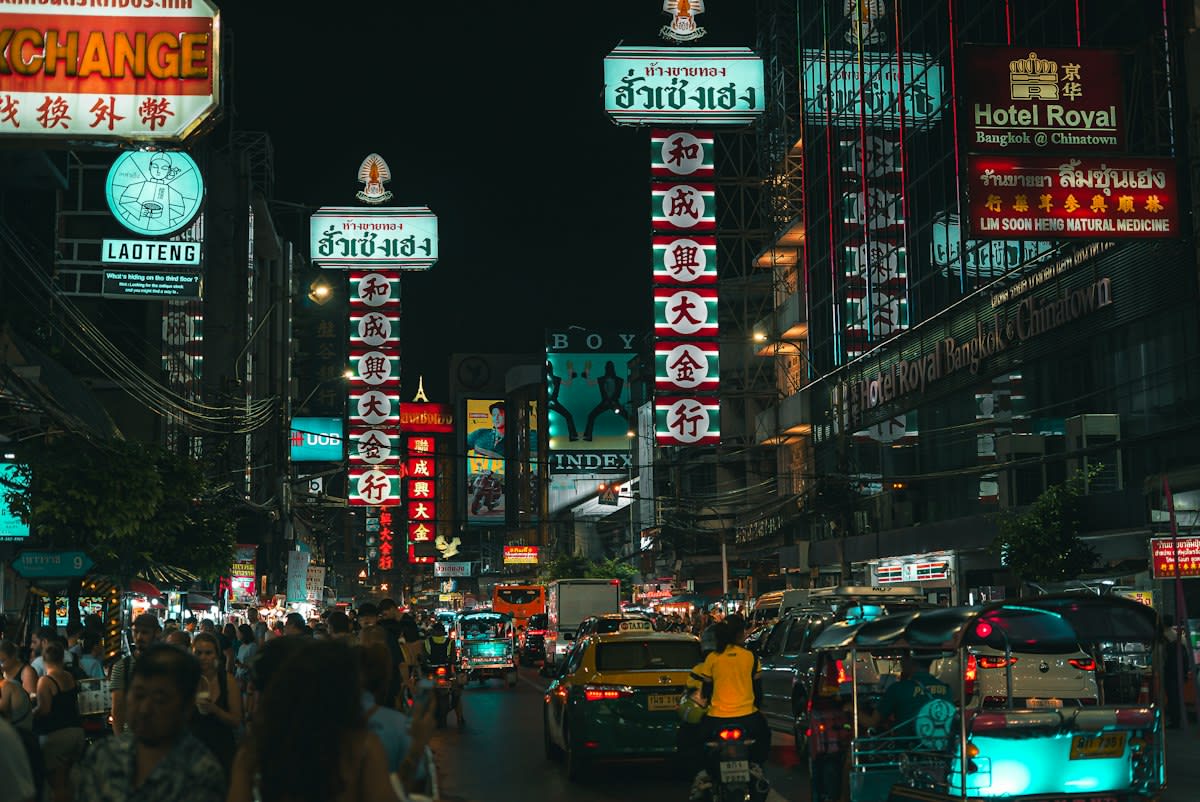
Jakarta faces this. The Indonesian capital mirrors Bangkok in its battle against subsidence and the attrition of a centralized energy model that cannot keep pace with urban sprawl (Source: World Bank, 2023). Lagos attempts similar fixes. Nigerian developers deploy solar micro-hubs to bypass a national grid that collapses with rhythmic predictability. Bangkok must learn. These cities prove that the old model of one giant plant feeding a million homes is a liability.
The P2P Energy Experiment
Trading is live. The T77 project in Bangkok now allows neighbors to sell excess solar power to one another using blockchain-based settlement (Source: Energy Regulatory Commission, 2023). This removes the middleman. By allowing a homeowner with a surplus of energy to sell directly to a nearby cafe, the city reduces the load on the primary transmission lines. It creates a local web of support.
"The transition to decentralized energy in Bangkok is not about environmental altruism; it is about the raw necessity of keeping the lights on when the streets are underwater."— Dr. Somchai Prasert, Energy Systems Analyst at Chulalongkorn University
The real war is invisible. Engineers and policymakers fight a brutal battle over wheeling charges, which are the fees paid to use the national grid to move energy from a solar farm to a buyer. The MEA views these charges as a shield for their revenue stream. Money drives the conflict. Microgrid developers see these costs as a tax on innovation that prevents small-scale producers from competing with the state monopoly. It is a struggle for control.
| Feature | Centralized Grid | Microgrid Model |
|---|---|---|
| Failure Point | Single point of failure | Distributed risk |
| Energy Loss | 6-10% Transmission loss (Source: IEA, 2023) | Minimal local loss |
| Response Time | Hours to days | Near-instantaneous |
| Control | State-managed | Community/Private |
Control is slipping. Private developers now offer 'Energy-as-a-Service' to factories in the Eastern Economic Corridor, bypassing the state's slow procurement cycles (Source: Thai Board of Investment, 2024). These firms install solar arrays and battery storage as a package deal. The factories pay for the energy, not the hardware. This model accelerates adoption.
The Industrial Fray
Industry leads. The EEC is currently the primary laboratory for large-scale microgrid deployment in Thailand (Source: EEC Office, 2023). These industrial parks create their own energy islands to ensure that a blackout in the city does not halt production lines. They use a mix of biomass and solar. The result is a hard-edged autonomy.
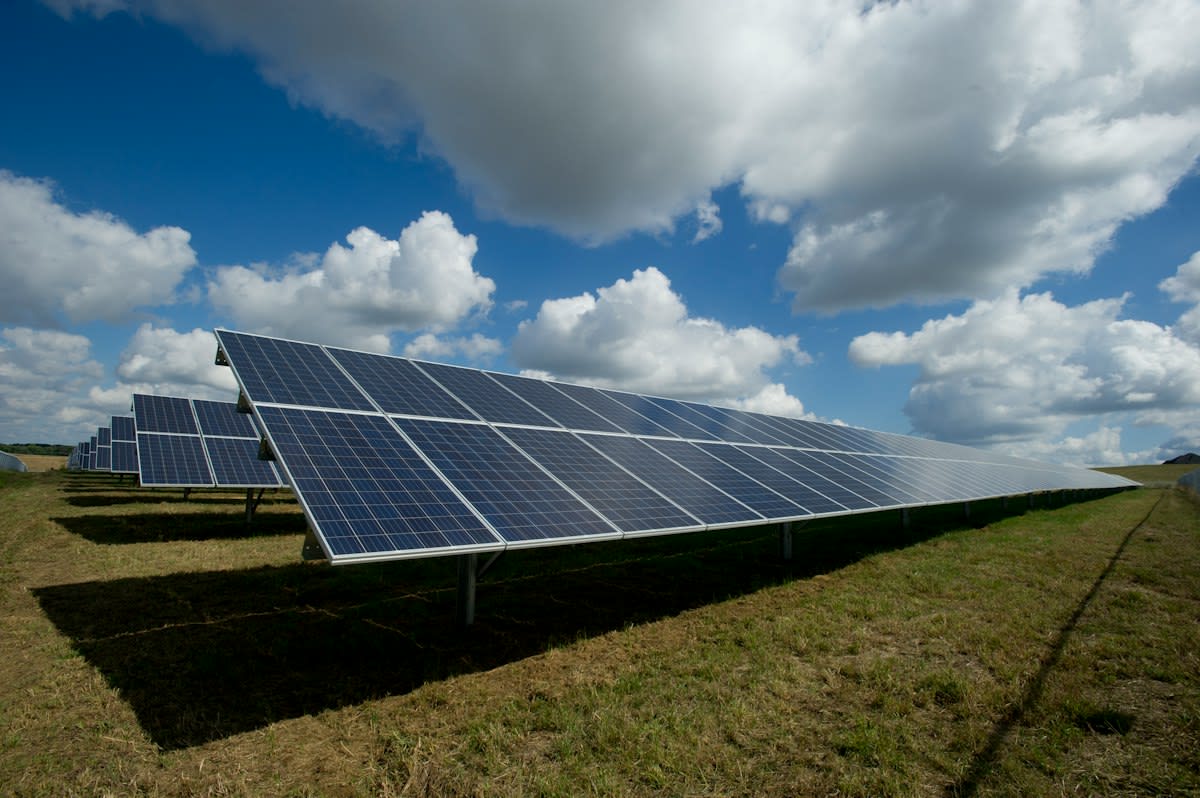
Regulations lag. The Energy Regulatory Commission still treats most microgrids as temporary experiments rather than permanent infrastructure (Source: ERC, 2023). This creates a state of legal limbo. Developers cannot secure long-term financing because the rules might change next month. This stagnation kills momentum.
Fact-Check & Accuracy Note
The primary academic debate centers on 'Grid Defection'. Critics argue that if wealthy industrial zones leave the central grid, the cost of maintaining that grid falls on the poor, who cannot afford microgrids (Source: Asian Development Bank, 2023). This creates an energy divide that the Thai government has yet to address.
Water wins. Every year, Bangkok sinks by an average of 1 to 2 centimeters, increasing the risk of saltwater intrusion into underground electrical conduits (Source: World Bank, 2023). This corrosion destroys cables from the inside out. The cost of repair is astronomical. Microgrids move the power above the waterline.
Autonomy is coming. The trend suggests a future where Bangkok is not one city, but a collection of a thousand energy islands. These islands will trade power like commodities on a digital exchange. The central grid will become a backup, not a lifeline. This is the only way to survive.
Editorial Note
This report focuses on the transition from centralized to decentralized energy. It avoids the alarmist narrative of total collapse, focusing instead on the adaptation strategies currently being deployed in the T77 and EEC zones.