Resource Deadlocks
CATL confirms mining is the critical bottleneck. Refining capabilities are already sufficient. China maintains a stranglehold on processing. This realization forces battery giants to enter the mining sector directly to secure their supply chains.
"Processing is not the bottleneck, but mining is"— Jiang Li, Vice President of CATL
Local strategies are diverging. China focuses on securing the atom through new mining units. South Australia is securing the electron by building 1.2 GW of renewable generation to power AI factories.
Electrochemical Extraction
University of Chicago researchers are targeting saline water. Lithium cobalt oxide serves as the host material. Electric currents force lithium ions into interstitial spaces. Precision filtering reduces reliance on traditional hard-rock mining.
Technical Constraint
Chemical mimicry between lithium and sodium ions remains the primary technical failure point for saline extraction methods.
Storage requirements are splitting by use case. AI training creates spiky power loads. Standard lithium-ion cells struggle with these rapid fluctuations.
Power Divergence
Superdielectrics developed the Faraday battery. These cells outperform lithium-ion in sub-zero temperatures. Fast charging and discharging stability makes them ideal for AI datacenters.
| Metric | Lithium-Ion | Faraday Battery |
|---|---|---|
| High Power Use Cases | Standard | Outperformance |
| Sub-Zero Temp Stability | Low | High |
| Load Profile | Steady | Spiky/Fluctuating |
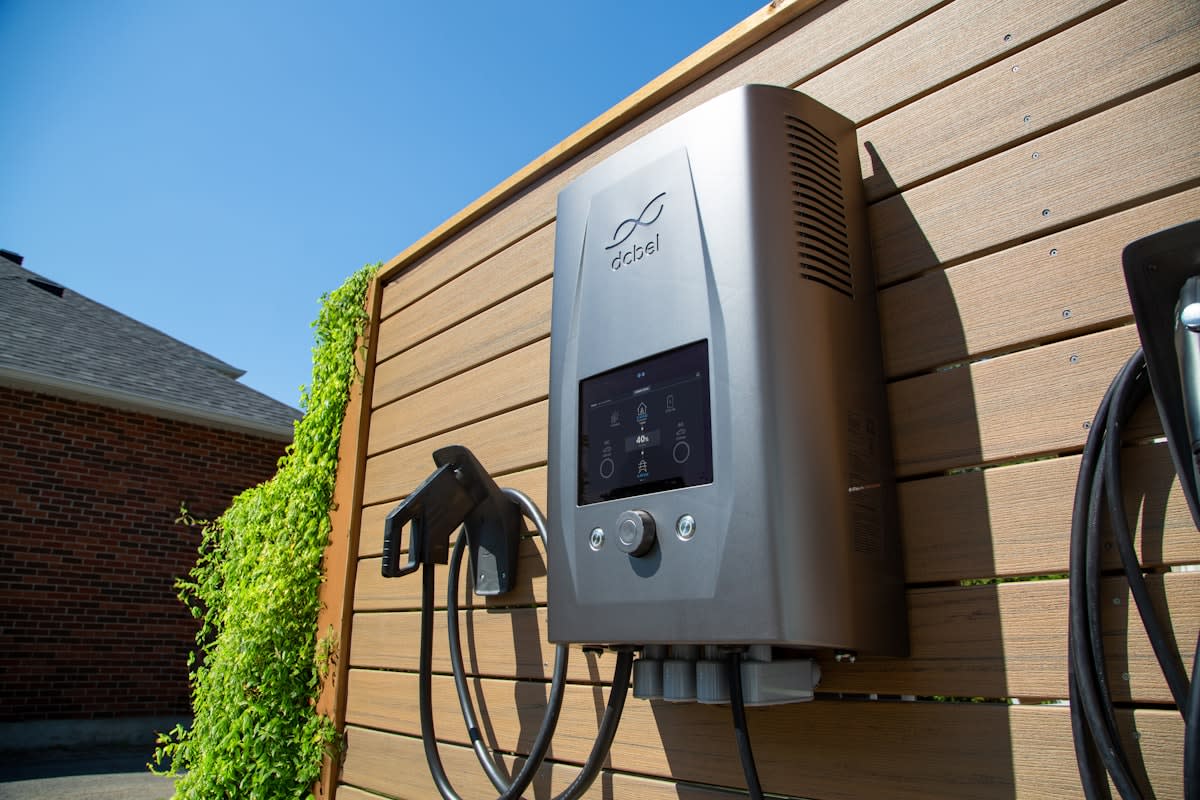
Grid management is moving to the edge. Utilities reduced net metering payments to homeowners. Home batteries now function as virtual power plants to stabilize the broader network.
Firmus is executing a 12-year agreement with Gunvor Group. 1.5 GWh of battery storage will support AI campuses by 2032. Regional Australia provides the physics-grade space required for this scale of energy infrastructure.