
Prerequisites for Predictive Delivery
Successful implementation of sequence-to-function modeling requires more than raw compute power. Practitioners must secure high-resolution RNA-seq data to fuel imputation models and access to diverse bulk and single-cell sequencing datasets. The shift toward in-vivo CAR T delivery—essentially pharmaceuticalizing the process into a vial of virus or lipid nanoparticle (LNP)—demands a move away from the ex-vivo mindset. You need a dataset that captures the interaction between DNA sequences and trans-regulator expression, as predicting gene expression from DNA alone is no longer sufficient for clinical-grade precision.
Technical Requirement
To achieve zero-shot prediction in held-out cell types, ensure your training set includes a broad spectrum of epigenetic tracks. Models like Corgi+ demonstrate that RNA-seq data alone can impute epigenetic tracks, provided the underlying model has learned the relationship between trans-regulators and chromatin accessibility.
The Execution Protocol
The transition from reactive to predictive manufacturing is not a gradual slope but a hard break from legacy methods. Traditionally, gene delivery was a game of stochastic trial and error. By integrating context-aware models, we can now treat the human genome as a programmable interface. This requires a rigorous five-step sequence that aligns molecular design with the actual epigenetic state of the target tissue.
- Establish a Context-Aware Baseline: Deploy models such as Corgi to integrate DNA sequences with trans-regulator expression. This allows for the prediction of chromatin accessibility and histone modifications. Do not rely on sequence alone; the model must account for the specific trans-regulatory environment of the target cell to predict gene expression coverage accurately.
- Map the Regulatory Landscape via Genome-Scale Atlases: Utilize resources like the CRISPRi perturbation atlas. By analyzing the effects of perturbing 11,692 expressed genes across 2.5 million single cells, you can identify exactly how specific genes shape the transcriptional landscape of human induced pluripotent stem cells (iPSCs). This creates a reference framework for virtual disease modeling and target discovery.
- Engineer De Novo Molecular Carriers: Move beyond legacy computational screening. Use generative platforms like Chai-3 to design molecules from scratch. Focus on optimizing structural reasoning and binding affinity for complex antibodies to ensure the delivery vehicle reaches the intended target without off-target sequestration.
- Predict Genomic Variant Effects in Held-Out Cell Types: Use the zero-shot capabilities of context-aware models to simulate how genomic variants will behave in cell types that were not part of the initial training set. This step is critical for ensuring that in-vivo delivery is effective across diverse patient populations with varying genetic backgrounds.
- Implement Predictive Manufacturing Controls: Shift the production pipeline from reactive monitoring to AI-driven prediction. As advocated by researchers at Northeastern University, AI should be used to manage the inherent variability of cell and gene therapy production, predicting manufacturing failures before they occur in the bioreactor.
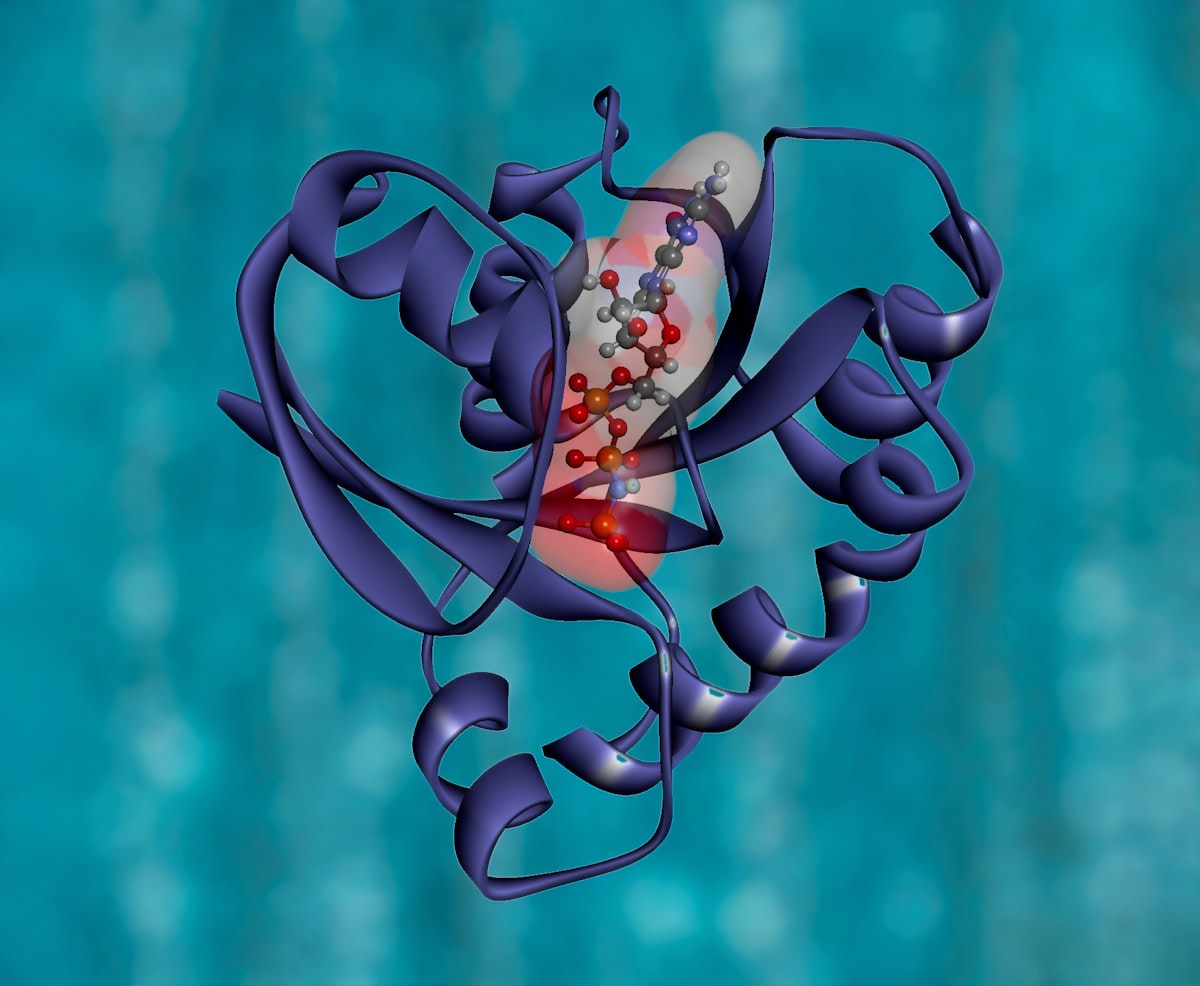
Why does the scale of the data matter? When you operate with a reference atlas covering 2.5 million cells, the signal-to-noise ratio shifts in your favor. You are no longer guessing which transcription factor governs a specific cell state; you are looking up the result in a catalog. This level of granularity is what allows for the 'pharmaceuticalization' of CAR T, turning a complex cell-therapy procedure into a predictable drug-like administration.
| Model/Resource | Primary Input | Key Output | Clinical Utility |
|---|---|---|---|
| Corgi/Corgi+ | DNA + Trans-regulators | Epigenetic Tracks | Zero-shot cell type prediction |
| CRISPRi Atlas | 11,692 Gene Perturbations | Transcriptional Landscape | Virtual disease modeling |
| Chai-3 | De novo molecular parameters | Binding Affinity | Targeting undruggable proteins |
The financial commitment to this shift is evident in recent capital flows. Chai Discovery's $400 million Series C funding, valuing the company at $3.8 billion, signals a market conviction that generative molecular design is the only path forward. This isn't about marginal improvements; it is about transforming drug discovery into a predictable engineering discipline where binding affinity is calculated, not discovered by accident.

Integrating these models requires a willingness to discard the 'ex-vivo' safety net. In the United States, the FDA views in-vivo CAR Ts as gene therapy products. This classification changes the regulatory burden and the comparative benchmarks. You must prove not just that the therapy works, but that it is superior or non-inferior to existing ex-vivo alternatives. The precision provided by sequence-to-function modeling is the primary lever for meeting these stringent regulatory hurdles.
"AI has the potential to transform cell and gene therapy manufacturing by moving from reactive to predictive manufacturing."— Auclair, Northeastern University
Common Pitfalls in Model Implementation
- Over-reliance on DNA sequence: Predicting gene expression without integrating trans-regulator expression leads to failures in held-out cell types.
- Ignoring the 'Pharmaceuticalization' Shift: Treating in-vivo delivery as a modified cell therapy rather than a distinct gene therapy product.
- Underestimating Variability: Attempting to manage production variability with conventional technology instead of predictive AI models.
- Data Siloing: Failing to utilize open-access resources like the genome-scale CRISPRi atlas for virtual modeling before moving to in-vivo trials.
The final barrier is often psychological. Many researchers cling to the transactional nature of trial-and-error because it is the historical norm. However, the data from Corgi and Chai-3 suggest that the future belongs to those who can model the function of a sequence before a single pipette is touched. When you can predict genomic variant effects in a zero-shot manner, the risk profile of in-vivo delivery drops precipitously.