Sonam Wangchuk’s decision to join CJP protest organic, says wife Gitanjali Angmo
Source Entity
India Latest News: Top National Headlines Today & Breaking News | The Hindu
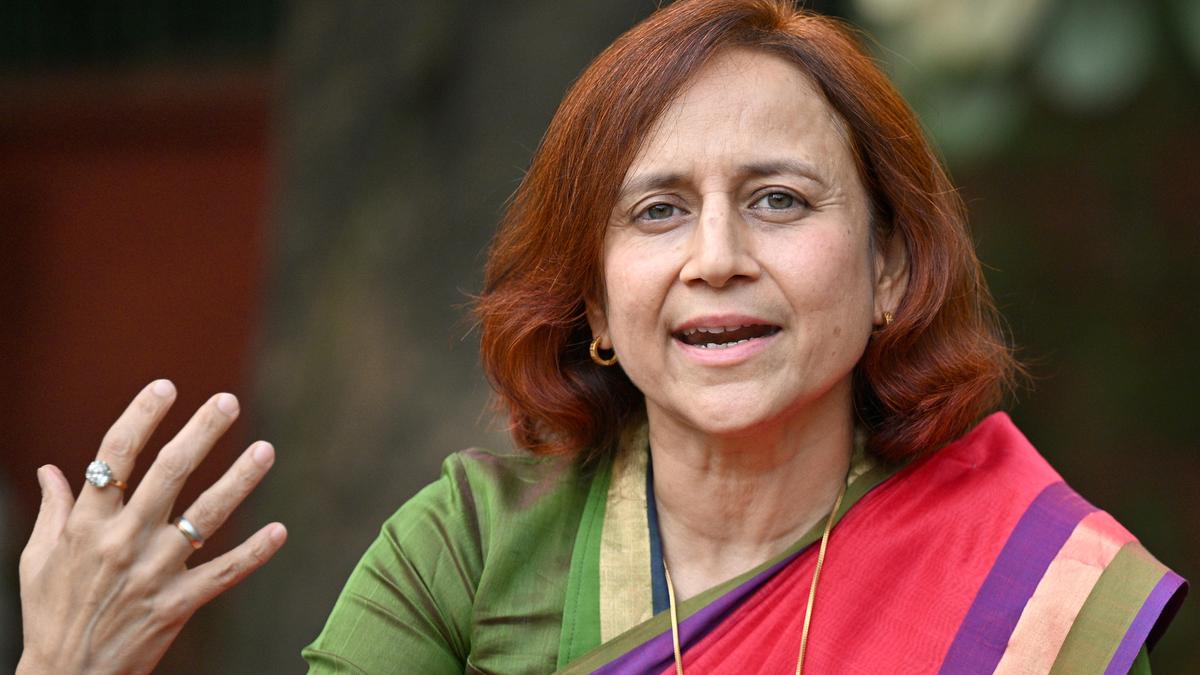
Sonam Wangchuk's wife, Gitanjali Angmo, has stated that his decision to join the CJP protest was an organic move aimed at protecting the movement's integrity and preventing sabotage by nefarious elements.
The Strategic Alignment of Sonam Wangchuk with CJP
Sonam Wangchuk, a globally recognized innovator and a prominent voice for the rights of the people of Ladakh, has recently made the decision to join the CJP protest. According to his wife, Gitanjali Angmo, this move was not a calculated political maneuver but an "organic" response to the current socio-political climate. This alignment marks a significant moment in the ongoing struggle for regional autonomy and constitutional protections in Ladakh, as Wangchuk brings his immense moral authority and public trust to a broader collective action.
Safeguarding the Movement from External Interference
One of the most critical aspects of Gitanjali Angmo's statement is the emphasis on protecting the movement from "nefarious elements." In the context of large-scale civil protests in India, it is common for organic grassroots movements to be targeted by infiltration, where external political actors or disruptive elements attempt to hijack the narrative for their own gains. By joining the CJP protest, Wangchuk aims to act as a stabilizing force, ensuring that the movement remains focused on its core objectives and does not deviate into chaos or political opportunism. This indicates a deep concern for the purity of the cause and a desire to maintain a non-violent, disciplined approach to advocacy.
The "Organic" Nature of Activism
Describing the decision as "organic" suggests that Wangchuk's involvement is a natural extension of his lifelong commitment to environmental sustainability and democratic rights. Rather than being invited by a political party or driven by a specific electoral agenda, his participation is framed as a visceral reaction to the needs of the community. This distinction is vital for maintaining his credibility as an independent activist. By framing the decision this way, Angmo reinforces the idea that Wangchuk is driven by duty rather than ambition, which further strengthens the legitimacy of the CJP's demands in the eyes of the general public.
Broadening the Scope of Ladakhi Advocacy
Wangchuk's decision to align with the CJP represents a strategic broadening of the Ladakhi struggle. While his previous efforts have focused heavily on the Sixth Schedule and statehood for Ladakh, joining a wider protest indicates a recognition that the challenges faced by Ladakh are mirrored in other systemic issues across the country. This cross-pollination of causes allows for a more robust coalition of civil society, creating a unified front that is harder for the administration to ignore. It signals a transition from a regional grievance to a broader conversation about civic rights and governmental accountability.
Future Trends in Civil Resistance
Looking ahead, Wangchuk's involvement is likely to attract more intellectual and youth-led participation in the CJP protest. His ability to blend traditional wisdom with modern innovation makes him an appealing figure for a new generation of activists. We can expect to see a trend where high-profile, non-partisan figures step into leadership roles to shield grassroots movements from political polarization. If the movement succeeds in remaining "unsabotaged," as Wangchuk intends, it could provide a blueprint for how civil protests in India can maintain their integrity while scaling their impact.
Conclusion
In summary, the decision of Sonam Wangchuk to join the CJP protest, as articulated by Gitanjali Angmo, is a calculated move to ensure the movement's survival and purity. By positioning himself as a safeguard against nefarious elements, Wangchuk is not just participating in a protest, but is actively managing the risk of narrative hijacking. This organic alignment underscores the intersection of regional identity and national civic duty, potentially amplifying the voice of Ladakh on a much larger stage.
Verification Required?