Low water level in Mullaperiyar raising concern in both States
Source Entity
India Latest News: Top National Headlines Today & Breaking News | The Hindu
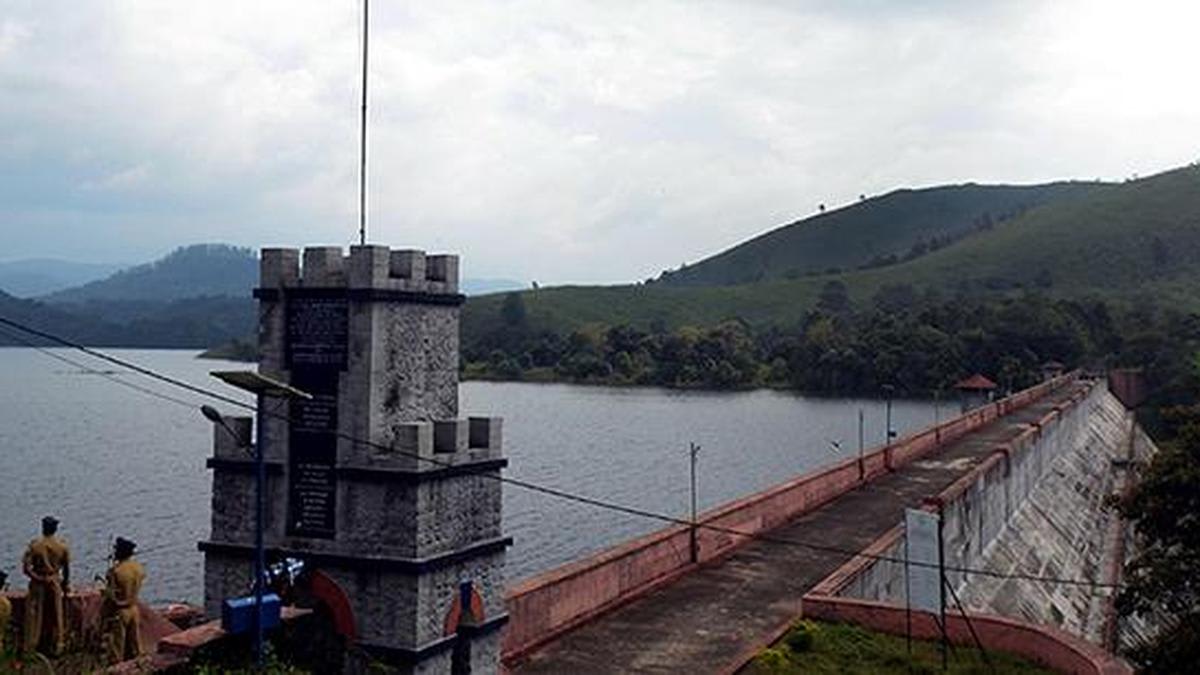
Low water levels at the Mullaperiyar Dam are creating a critical situation for both Kerala and Tamil Nadu, severely impacting agricultural activities, threatening drinking water supplies in the Kumily and Chakkupallom panchayats, and risking the local tourism economy.
Water Scarcity at Mullaperiyar: A Growing Inter-State Crisis
The Mullaperiyar Dam, a pivotal yet contentious piece of infrastructure located in Kerala but operated by Tamil Nadu, is currently experiencing a significant drop in water levels. This decline in storage is not merely a seasonal fluctuation but a burgeoning crisis that threatens the socio-economic stability of the surrounding regions. The scarcity of water has triggered alarm across both state administrations, as the reservoir serves as a primary lifeline for irrigation and domestic consumption for thousands of residents.
Impact on Agriculture and Food Security
One of the most immediate and severe consequences of the low water levels is the disruption of farming activities. In Tamil Nadu, where the dam is essential for irrigation across several districts, a reduction in water availability directly translates to lower crop yields and increased financial distress for farmers. Similarly, in the bordering areas of Kerala, the agricultural ecosystem is feeling the strain. The inability to maintain consistent irrigation schedules threatens the livelihoods of small-scale farmers, potentially leading to crop failure and a subsequent rise in local food prices.
Threats to Civic Infrastructure and Drinking Water
Beyond the fields, the crisis has reached a critical point regarding basic human needs. Specifically, the Kumily and Chakkupallom panchayats are facing an imminent threat to their drinking water distribution. When the reservoir levels dip below critical thresholds, the efficiency of the distribution networks plummets, leaving households and public institutions without a reliable water source. This puts immense pressure on local governance to secure emergency water tankers and alternative supplies to prevent a public health crisis.
Economic Implications for the Tourism Sector
The region surrounding the Mullaperiyar Dam is a major hub for tourism, renowned for its lush landscapes and natural beauty. The receding water levels do more than just alter the landscape; they threaten the operational viability of the hospitality industry. Resorts and hotels in the Kumily area rely heavily on a stable water supply. A prolonged shortage could lead to a decline in tourist arrivals and force businesses to scale back operations, creating a ripple effect of economic loss throughout the local service economy.
Historical and Political Context
To fully analyze this event, it is essential to recognize the historical friction between Kerala and Tamil Nadu regarding the Mullaperiyar Dam. For decades, the two states have been embroiled in legal and political disputes over the dam's safety and the permissible water levels. This current scarcity adds a new layer of tension to an already volatile relationship. The struggle to balance the water needs of Tamil Nadu's farmers with the safety concerns of Kerala's residents remains a central point of contention, making the management of low water levels a diplomatic challenge as much as a technical one.
Conclusion and Future Outlook
In summary, the low water levels at the Mullaperiyar Dam represent a multifaceted crisis affecting agriculture, civic health, and the economy. This situation highlights the precarious nature of water security in the region, exacerbated by erratic rainfall patterns and the complexities of inter-state water sharing. Moving forward, the implementation of more sustainable water management practices and a collaborative framework between Kerala and Tamil Nadu will be imperative to ensure that the residents of Kumily, Chakkupallom, and the wider region are protected from future droughts.
Verification Required?