Beyond momos: Meghalaya’s chefs are reclaiming the state’s culinary identity
Source Entity
India Latest News: Top National Headlines Today & Breaking News | The Hindu
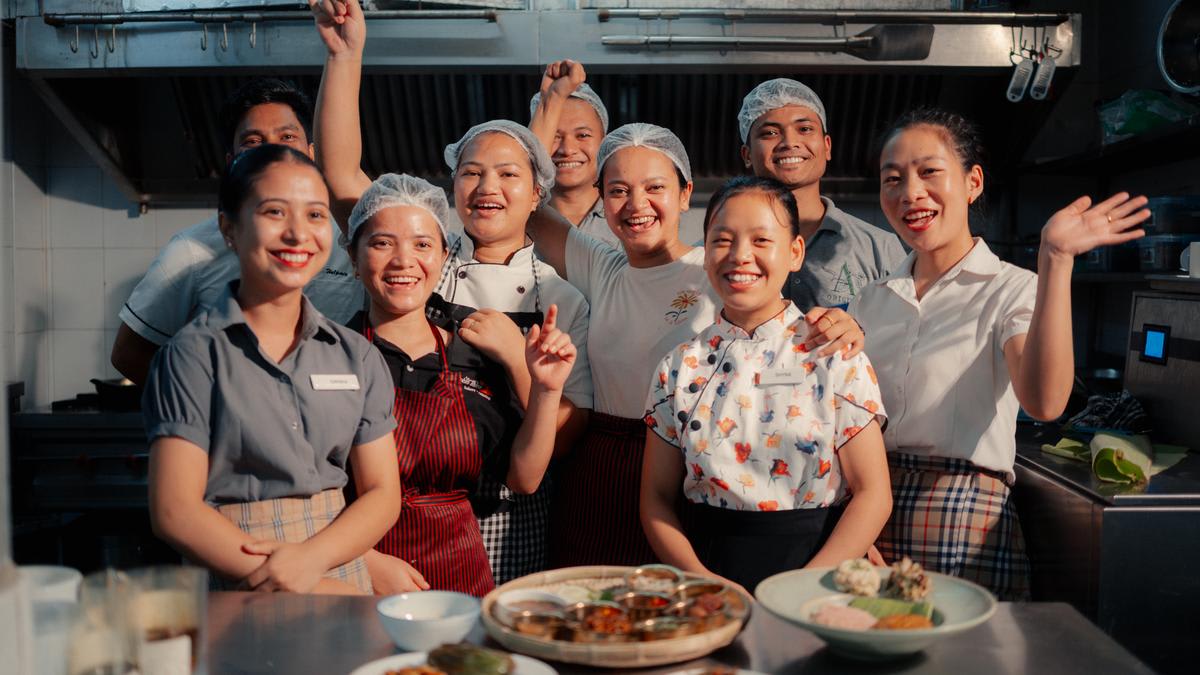
Chefs in Shillong, Meghalaya, are leading a culinary revival, moving beyond the stereotypical 'momos' to showcase the state's authentic heritage through indigenous ingredients like fermented bamboo shoots and smoked meats.
The Gastronomic Renaissance of Meghalaya
For decades, the culinary perception of Northeast India in the broader Indian consciousness has been unfairly reduced to a few generic staples, most notably momos and thukpa. However, a significant cultural shift is currently unfolding in Shillong, the capital of Meghalaya. Local chefs at pioneering establishments such as A’Origins, Rynsan, and Lady Aiko are actively working to dismantle these stereotypes. By reclaiming the state's culinary identity, these chefs are transitioning from serving 'pan-regional' comfort foods to presenting a sophisticated, authentic narrative of Meghalayan heritage on the plate.
Elevating Indigenous Ingredients
Central to this movement is the strategic use of hyper-local ingredients that define the region's terroir. The focus on fermented bamboo shoots and smoked meats is not merely a matter of taste but a nod to ancestral preservation techniques. In the high-rainfall environment of the Khasi, Jaintia, and Garo hills, smoking and fermenting were historically essential for food security during lean seasons. By integrating these elements into professional restaurant menus, chefs are elevating survivalist traditions into gourmet experiences, ensuring that these ancient flavors are not lost to the homogenization of modern fast food.
The Art of Foraging and Forest Produce
Beyond preserved meats, the emphasis on forest produce highlights a deep, symbiotic relationship between the people of Meghalaya and their natural environment. The use of wild greens, local tubers, and forest-sourced herbs reflects a commitment to foraging—a practice that is both sustainable and deeply rooted in the indigenous way of life. This approach does more than just provide unique flavors; it serves as a living archive of the region's biodiversity. By showcasing these ingredients, A’Origins, Rynsan, and Lady Aiko are educating diners on the ecological richness of the state and the importance of preserving its forests.
Cultural Reclamation and Identity
This culinary shift is fundamentally an act of cultural reclamation. For too long, indigenous cuisines in the Northeast were relegated to the private domestic sphere, while commercial spaces prioritized global or mainland Indian tastes. By bringing traditional cooking techniques into the spotlight, these chefs are asserting the validity and complexity of their cultural identity. This movement mirrors a global trend where marginalized or overlooked regional cuisines are being repositioned as luxury experiences, allowing the creators to control their own narrative and define their heritage on their own terms.
Economic and Tourism Implications
The ripple effects of this culinary revival extend beyond the kitchen. As demand for authentic Meghalayan dishes grows, there is an increased incentive for local farmers and foragers to maintain traditional crop varieties and sustainable harvesting methods. This creates a localized economic loop that supports rural communities and promotes agri-tourism. As food-focused travelers increasingly seek 'authentic' experiences over generic tourist traps, Shillong is positioning itself as a premier destination for gastronomic exploration, potentially diversifying the state's tourism economy.
Conclusion: A Blueprint for Heritage Preservation
In summary, the efforts of Shillong's chefs to move 'beyond momos' represent a critical intersection of art, history, and activism. By blending traditional techniques with modern presentation, they are ensuring that Meghalaya's culinary legacy is not only preserved but evolved. This movement serves as a blueprint for other regions across India to reclaim their indigenous foodways, proving that the path to the future of gastronomy often lies in a deep, respectful return to one's roots.
Verification Required?