Man’s namaz video lands wife in jail, Shamli couple’s life upended
Source Entity
Pragynesh
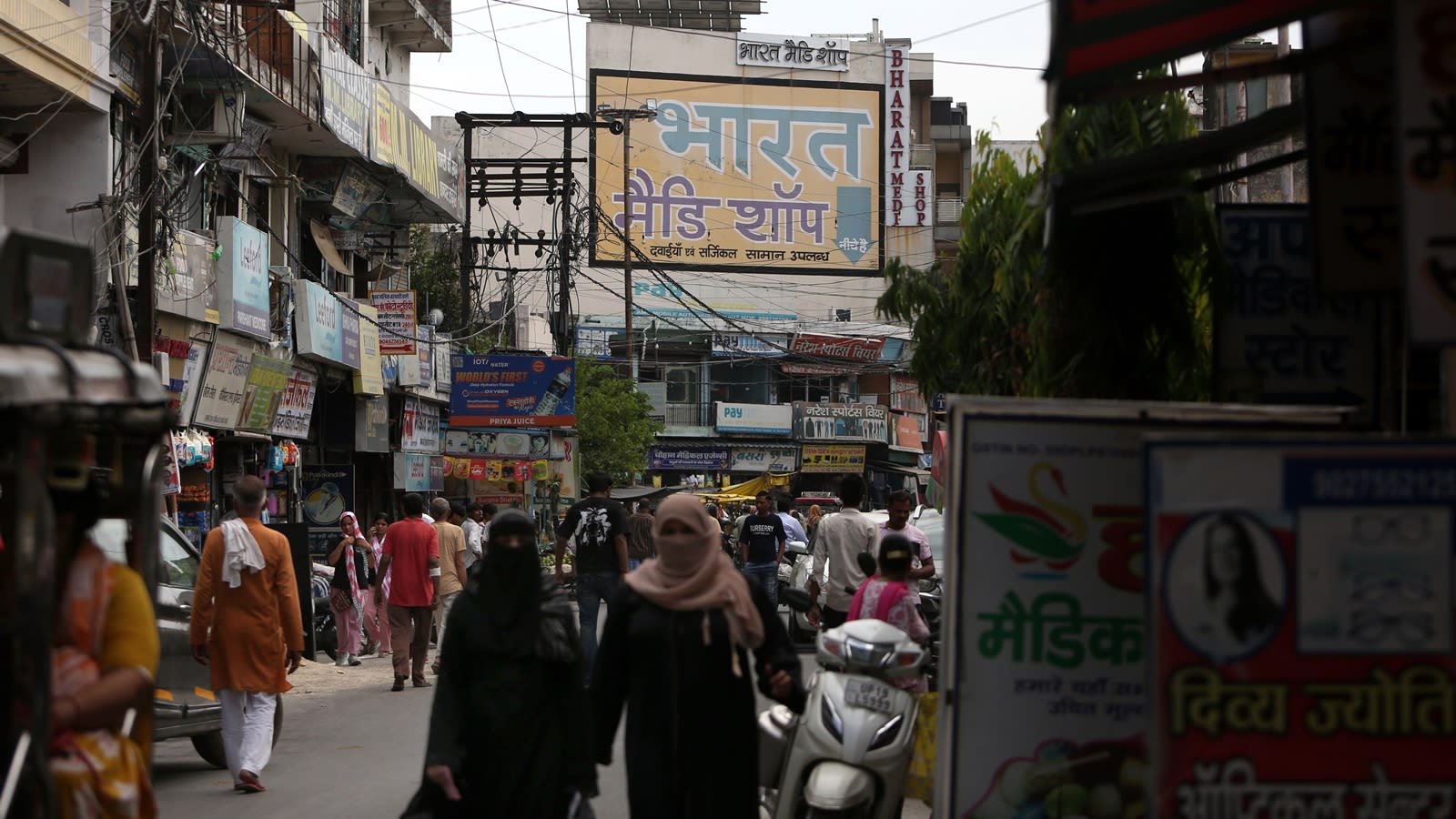
A woman named Chandni and her father have been arrested in Shamli, Uttar Pradesh, following the circulation of a video showing her husband performing namaz, reflecting deep-seated socio-religious tensions in the region.
The Criminalization of Faith: Analyzing the Shamli Arrests
In a distressing turn of events in Shamli, western Uttar Pradesh, the domestic life of a young couple has been shattered by the intersection of religious practice and digital surveillance. Chandni, a young Muslim woman, and her father were arrested after a video of her husband performing namaz—the Islamic prayer—became a flashpoint for local controversy. This incident is not merely a legal dispute but a stark illustration of how personal acts of faith can be weaponized to trigger state action and social upheaval in volatile regions.
The Catalyst: Digital Vigilantism and Social Media
The core of this incident lies in the circulation of a video. In the contemporary Indian landscape, the smartphone has evolved from a communication tool into a device for 'digital vigilantism.' When a video of a husband performing namaz was shared, it likely bypassed any nuance of private worship, instead being framed as a provocative act by unseen actors. This phenomenon demonstrates a dangerous trend where the 'court of social media' delivers a verdict long before the judiciary is involved, often forcing local law enforcement to make arrests to appease agitated crowds or political interests, regardless of the actual criminality of the act.
The Socio-Political Climate of Western Uttar Pradesh
To understand why a video of prayer could lead to the imprisonment of a wife and father, one must look at the broader context of western Uttar Pradesh. The region has historically been a site of complex socio-religious dynamics, which in recent years have shifted toward a more polarized environment. The 'cauldron' mentioned in the reports refers to a heightened state of communal sensitivity where the boundaries between public order and religious freedom are frequently blurred. In such an atmosphere, the mundane activities of minority communities are often scrutinized through a lens of suspicion, turning a home into a site of potential conflict.
Legal Anomalies and Collective Punishment
One of the most concerning aspects of this case is the arrest of Chandni and her father for an act performed by the husband. This raises critical questions regarding the legal basis for their detention. Under standard criminal law, liability is individual; however, the arrest of family members suggests a pattern of collective harassment. By targeting the support system of the individual—the wife and the father—the state or the complainants exert maximum psychological and social pressure on the family unit, effectively penalizing the entire household for a non-violent act of religious observance.
Implications for Religious Freedom and Privacy
This event signals a shrinking space for privacy and religious expression. When the act of namaz—a fundamental pillar of Islam—becomes a liability that lands family members in jail, it creates a 'chilling effect' across the community. Families may begin to self-censor their religious practices, fearing that a stray video or a misinterpreted gesture could lead to legal persecution. This erosion of the private sphere indicates a shift where the state's policing power is increasingly influenced by communal narratives rather than objective evidence of a crime.
Conclusion: A Warning for Communal Harmony
The case of Chandni and her family in Shamli is a cautionary tale of how fragile communal harmony can be in the face of digital misinformation and systemic bias. The upending of a couple's life over a prayer video underscores the urgent need for law enforcement to resist the pressures of mob-driven narratives. Moving forward, if such incidents continue to go unchecked, the socio-religious divide in western Uttar Pradesh may deepen, further alienating marginalized communities and undermining the constitutional guarantee of freedom of religion.