Parallel power distribution network: INLD questions financial viability of private firm’s licence bid for Gurugram-Nuh
Source Entity
Latest News: Today's Latest News Headlines from India & World | Hindustan Times | Hindustan Times
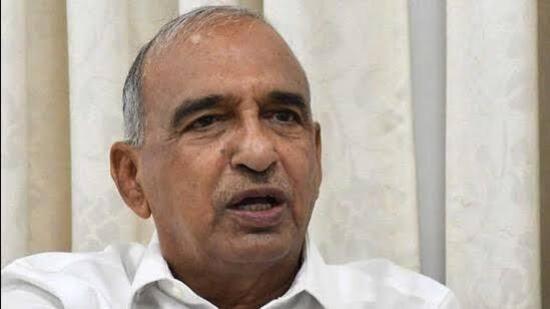
The Indian National Lok Dal (INLD) has challenged the financial viability and operational capacity of Eleven Power, a private firm bidding for a power distribution license in the Gurugram-Nuh region, citing a lack of independent experience.
Controversy Over Private Power Distribution in Gurugram-Nuh
The landscape of utility management in Haryana is currently facing a significant political and regulatory challenge as the Indian National Lok Dal (INLD) raises alarms over the privatization of power distribution in the Gurugram-Nuh region. The core of the dispute centers on a license bid submitted by a private entity, Eleven Power, which seeks to establish a parallel power distribution network. This move has sparked a debate not only about the technical qualifications of the bidder but also about the broader implications of allowing private players to operate critical infrastructure that has traditionally been the domain of state-led utilities.
The Core Allegations: Experience and Viability
According to Sampat Singh of the INLD, Eleven Power lacks the necessary independent operational experience required to manage a complex electricity distribution network. The primary contention is that the firm is relying heavily on the credentials of consortium partners who are not themselves petitioners in the license application. In the highly regulated energy sector, the distinction between a lead petitioner and a supporting partner is critical; regulatory bodies typically require the primary license holder to possess a proven track record of operational success to ensure that the public's energy security is not compromised by an inexperienced entity.
The Risks of Parallel Distribution Networks
The concept of a "parallel power distribution network" introduces significant technical and financial complexities. Establishing a secondary grid alongside existing infrastructure requires massive capital expenditure and meticulous planning to avoid systemic inefficiencies. The INLD's questioning of financial viability is rooted in the fear that if a private firm lacks the independent capital or expertise to sustain such a network, the burden of failure could eventually fall back on the state or lead to unstable power supplies for consumers. This is particularly sensitive in a region like Gurugram, where high-density corporate hubs demand uninterrupted power, and Nuh, where rural electrification remains a priority.
Regional Context: The Gurugram-Nuh Divide
The geographical scope of this bid—spanning both Gurugram and Nuh—highlights a stark socio-economic contrast. Gurugram is one of India's fastest-growing corporate hubs, while Nuh is historically one of the most underdeveloped districts in Haryana. Introducing a private distributor into this mix could lead to "cherry-picking," where the private firm focuses its efficiency and investment on the lucrative corporate sectors of Gurugram while neglecting the less profitable rural stretches of Nuh. This potential for fragmented service delivery is a key driver behind the political opposition to the bid.
Broader Implications for Utility Privatization in India
This event reflects a wider national trend in India toward the privatization of the power sector, aimed at reducing the massive losses incurred by state-owned distribution companies (DISCOMs). While privatization often brings technological upgrades and better billing efficiency, it also introduces risks regarding tariff hikes and the exclusion of marginalized consumers. The challenge posed by the INLD serves as a reminder that the transition to private utility management requires rigorous vetting processes to ensure that firms are not merely "paper companies" utilizing consortium partnerships to bypass eligibility criteria.
Future Outlook and Regulatory Scrutiny
Moving forward, the Haryana Electricity Regulatory Commission (HERC) will likely face pressure to conduct a more stringent audit of Eleven Power's operational capabilities and the legal standing of its consortium partners. If the bid is approved despite these concerns, it could set a precedent for other private firms to enter the market via partnerships rather than independent expertise. Conversely, a rejection would signal that the state prioritizes operational stability and proven experience over the mere promise of private investment. This case will likely be watched closely as a bellwether for how Haryana balances corporate entry into essential services with public accountability.
Conclusion
The clash between Eleven Power's ambitions and the INLD's objections underscores the volatility of privatizing essential services. The central issue remains whether the firm possesses the genuine, independent capacity to manage a critical power grid. As the regulatory process unfolds, the outcome will determine whether the Gurugram-Nuh region moves toward a competitive, multi-provider energy market or maintains a more centralized, state-monitored distribution system to ensure equitable access and reliability.
Verification Required?