‘A passing motorist alerted us’: Inside the first minutes of Mumbai’s Coastal Road tunnel fire
Source Entity
Nayonika Bose, Manish Kumar Pathak
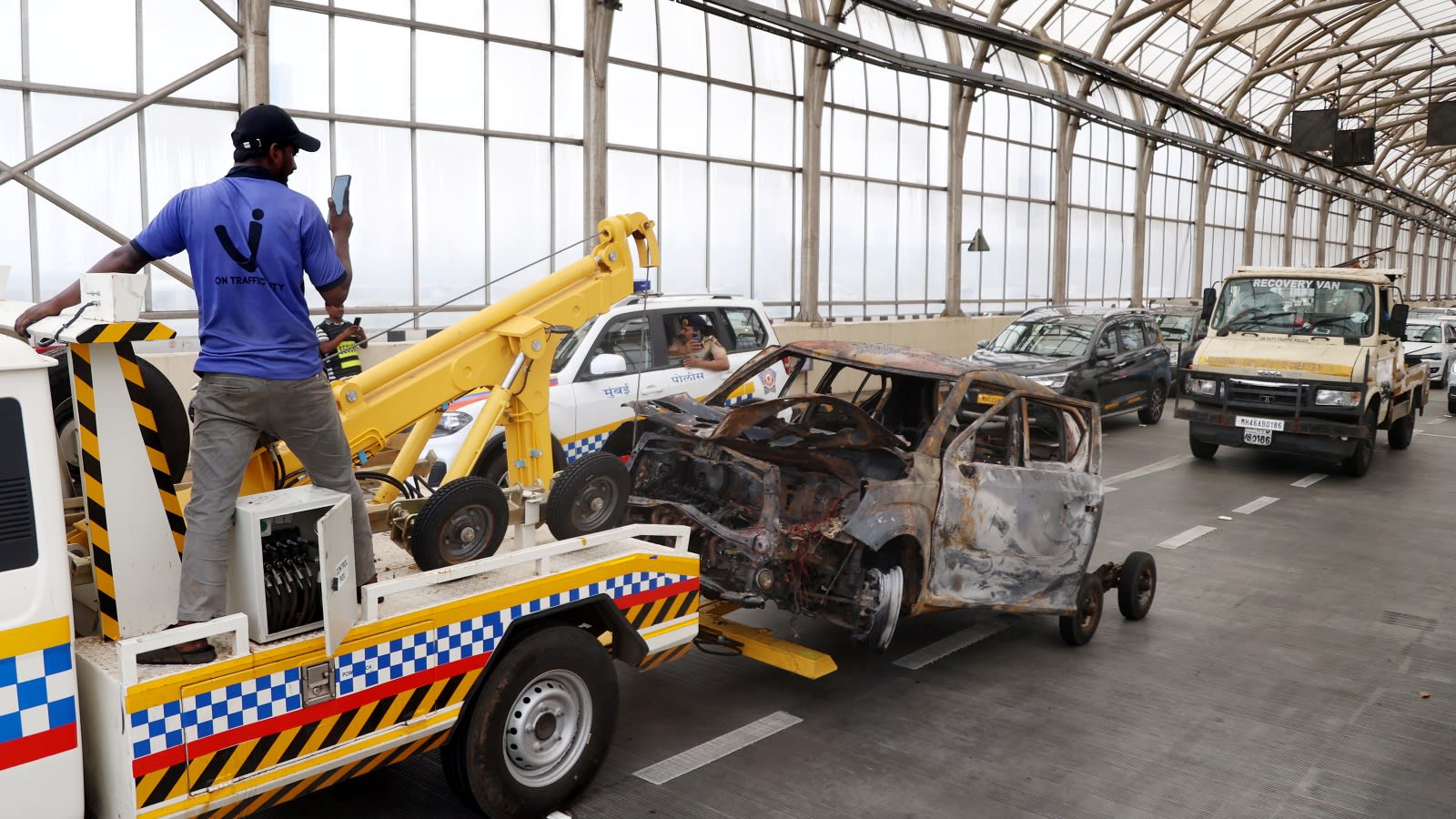
A fire incident occurred in Mumbai's Coastal Road tunnel after a passing motorist alerted a driver that an object had fallen from their vehicle, leading to the discovery of smoke and an emergency response.
Incident Analysis: The Mumbai Coastal Road Tunnel Fire
The Immediate Crisis
The incident began with a critical moment of civic vigilance that likely prevented a larger catastrophe. While traveling toward South Mumbai through the newly developed Coastal Road tunnel, a driver was unaware that an object had fallen from their vehicle. It was only after a passing motorist alerted them that the vehicle came to a halt, revealing smoke emanating from the car. This sequence of events highlights the extreme volatility of tunnel environments, where a localized fire can rapidly escalate due to confined spaces and the presence of high-speed traffic.
The Perils of Confined Transit Infrastructure
Tunnel fires are among the most challenging scenarios for emergency responders. Unlike open-road accidents, tunnels create a "chimney effect," where smoke and heat are trapped and pushed forward, potentially blinding other drivers and causing secondary pile-ups. In the context of the Mumbai Coastal Road, which is designed to alleviate massive congestion, any stoppage within the tunnel creates an immediate bottleneck. This specific event underscores the necessity of rapid detection; the fact that a fellow citizen provided the initial alert suggests that while technical systems are in place, human observation remains a vital layer of safety.
Analyzing the Trigger: Unsecured Cargo and Vehicle Safety
While the specific nature of the object that fell remains a point of investigation, the event brings to light the dangers of unsecured cargo in urban transit. Whether the object caused a mechanical failure, an electrical short, or was itself flammable, the result was the same: the onset of smoke in a high-risk zone. This incident suggests a need for stricter vehicle safety checks and public awareness campaigns regarding the securing of items within vehicles, especially when utilizing high-speed infrastructure like the Coastal Road.
Infrastructure Resilience and Emergency Response
The Mumbai Coastal Road is a marvel of modern engineering, but events like this serve as a stress test for its safety protocols. Modern tunnels are typically equipped with sophisticated ventilation systems to extract smoke and emergency exits for pedestrian evacuation. The response to this fire will likely be analyzed by urban planners to determine if the smoke detection sensors acted fast enough or if the manual alert from the motorist preceded the automated systems. Ensuring that emergency lanes remain clear and that fire tenders have rapid access to tunnel portals is paramount for the safety of thousands of daily commuters.
The Role of Civic Vigilance in Urban Safety
One of the most striking aspects of this report is the role of the "passing motorist." In a fast-paced metropolis like Mumbai, where drivers are often focused solely on their own commute, the act of stopping to alert another driver is a significant gesture of civic responsibility. This human element acted as the primary fail-safe in this instance. It emphasizes that urban safety is not merely a product of engineering and technology, but also of a collective culture of alertness and mutual aid among citizens.
Future Implications and Preventative Trends
Moving forward, this incident may prompt the Brihanmumbai Municipal Corporation (BMC) and traffic authorities to implement more rigorous monitoring. We can expect a trend toward increased use of AI-powered CCTV analytics that can detect falling objects or the earliest wisps of smoke in real-time, reducing reliance on human alerts. Additionally, there may be a push for more frequent emergency drills specifically tailored for tunnel evacuations, ensuring that both the public and the first responders are prepared for the unique challenges of subterranean fire fighting.
Conclusion
Ultimately, the Coastal Road tunnel fire was a narrow escape that highlighted both the risks of modern urban infrastructure and the value of community vigilance. While the physical damage may have been limited, the psychological impact of a fire in a confined tunnel is significant. By analyzing the trigger—the falling object—and the response, Mumbai can further refine its safety standards to ensure that the Coastal Road remains a safe and efficient artery for the city's transport.