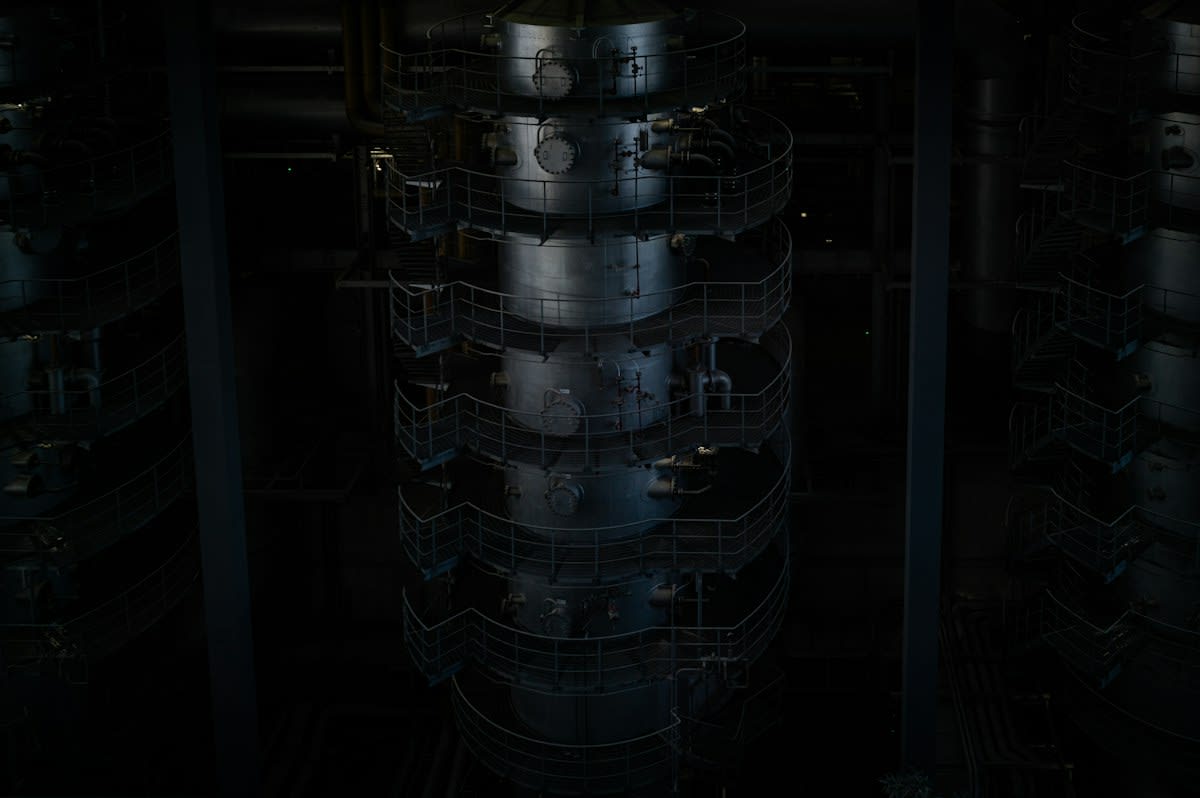
For decades, the food industry operated under a rigid constraint: if you wanted more protein or fat, you needed more land, more water, and more livestock. We called this the agricultural ceiling. But the ceiling just shattered. Precision fermentation (PF) has effectively decoupled the production of high-value food ingredients from the physical limitations of farmland. By using microorganisms as micro-factories, we can now synthesize bio-identical molecules—casein, lipids, and rare proteins—in a controlled environment. This isn't about making a plant-based substitute that tastes like the real thing; it is about producing the actual molecule, identical to its animal counterpart, without the animal.
I have spent years in the trenches of biotechnology, and the most common mistake I see newcomers make is treating a bioreactor like a giant slow-cooker. It is not. It is a highly volatile biological engine. When you move from a 10-liter lab bench to a 100,000-liter industrial vessel, the physics change. You aren't just scaling volume; you are fighting mass transfer limitations and thermal gradients that can kill your microbial colony in hours. To succeed, you have to stop thinking like a farmer and start thinking like a chemical engineer who happens to be working with living organisms.
Prerequisites: The Precision Fermentation Stack
Before you trigger your first fermentation cycle, you need a specific technological stack. You cannot simply buy a tank and hope for the best. The foundation begins with the host organism—typically yeasts, bacteria, microalgae, or fungi (Source: NutraIngredients, 2026). These microbes are the workforce. You then need a carbon source, which is the fuel. While glucose is the standard, the industry is shifting toward lignocellulose-based routes to improve yield and lower costs (Source: IndexBox, 2026). Finally, you need the hardware: stainless steel bioreactors equipped with AI-driven control systems to manage the environment in real-time.
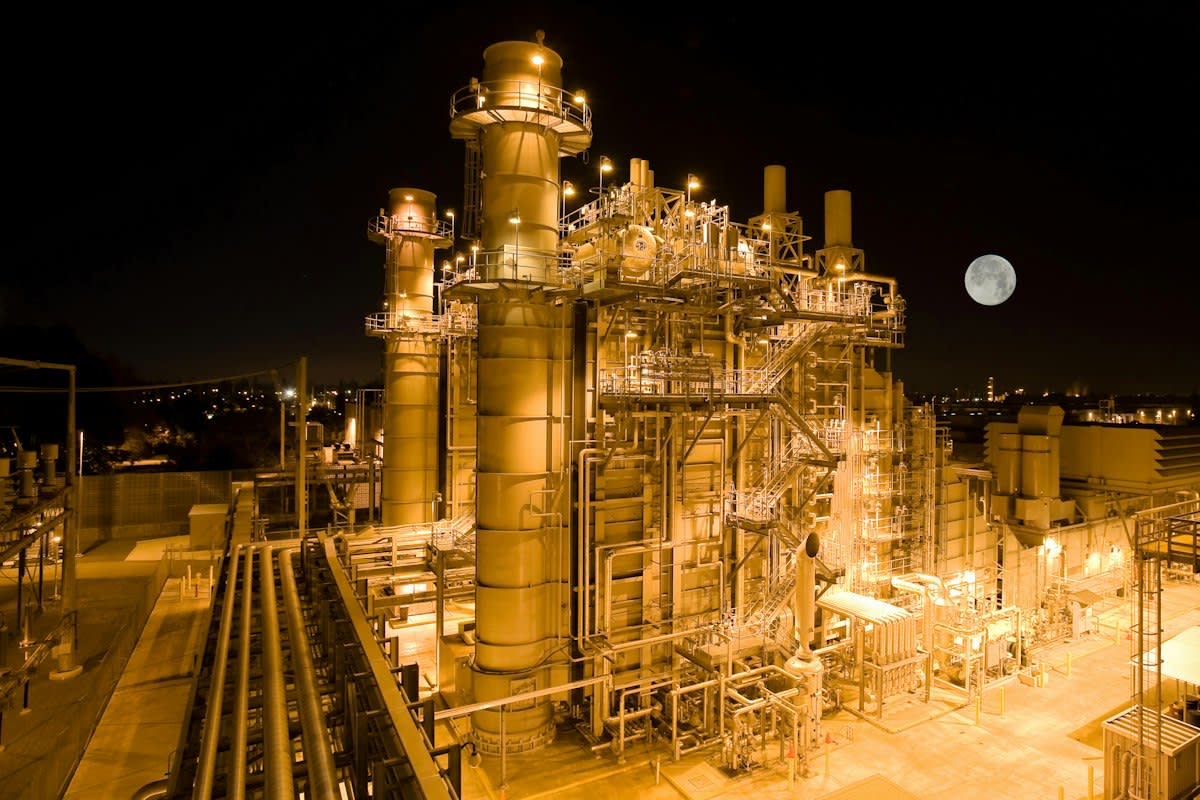
Step-by-Step: Implementation of a Microbial Production Line
- Strain Engineering: Select a microbial host and use synthetic biology to insert the genetic instructions for the target molecule. For example, producing animal-free casein requires engineering a yeast strain to express the bovine protein gene (Source: NutraIngredients, 2026).
- Feedstock Optimization: Align your carbon source with your cost targets. Integrating bio-refineries with existing chemical processing assets can shorten qualification timelines and improve competitiveness (Source: IndexBox, 2026).
- Upstream Processing (Fermentation): Introduce the strain into the bioreactor. This phase is where you manage the 'environmental gradients.' You must ensure that oxygen and nutrients reach every cell, as physical mixing limitations in massive fermenters often trigger cellular stress and metabolic redirection (Source: Home of Research, 2026).
- Downstream Processing (Purification): This is the most expensive phase. You must isolate the target protein or lipid from the microbial biomass. The goal here is high volumetric productivity—extracting the maximum amount of pure ingredient per liter of broth (Source: Home of Research, 2026).
- Sensory Formulation: The final step is integrating the ingredient into a food matrix. For sweeteners, this involves using targeted masking flavor technologies to resolve historic bitterness or metallic aftertastes (Source: Fact.MR, 2026).
Once the process is stabilized, the efficiency gains are staggering. Take the production of casein, for instance. Precision fermented casein can reduce CO2 emissions by 95% and slash land and water use by one fifth compared to cow-derived casein (Source: NutraIngredients, 2026). This is not a marginal improvement; it is a fundamental shift in how we value resources. We are moving from an economy of land-extensive grazing to an economy of energy-intensive, space-efficient molecular synthesis.
Expanding the Portfolio: Beyond Protein
While proteins grab the headlines, the real battle is being fought in the realms of lipids and sweeteners. Biotechnology companies are now exploring microbial production methods to develop fats with specific melting points and textures, allowing for a level of control that traditional oilseed farming cannot match (Source: Spherical Insights, 2026). This allows food scientists to design fats that behave exactly like animal fats in a frying pan but come from a vat in a laboratory.
Similarly, the sweetener market is evolving. Precision fermentation is being used to synthesize rare sweet proteins cost-effectively, which is projected to have a 1.0% impact on CAGR in North America and Western Europe (Source: Fact.MR, 2026). The goal here is sensory biomimicry—creating a sweetener that doesn't just taste sweet, but mimics the mouthfeel and browning kinetics of sugar.
"The commercial battlefield in the sweetener sector is no longer defined by simple calorie subtraction; it is dictated by sensory biomimicry and clean-label integrity. Industrial food processors will not compromise on texture, moisture retention, or browning kinetics merely to lower sugar percentages."— Shambhu Nath Jha, Lead Consultant at Fact.MR
This focus on 'sensory biomimicry' is where the industry often fails. You can produce a bio-identical molecule, but if the co-crystallization or blending is off, the end product will taste 'off' to a sophisticated consumer. This is why the integration of Industry 4.0—utilizing AI-driven control systems and real-time monitoring—is non-negotiable for mass-market viability (Source: Home of Research, 2026).
The Practitioner's Reality: The Scaling Gap
Let's talk about the friction. In the boardroom, everyone talks about 'scaling.' On the floor, scaling is a nightmare. I've seen teams spend eighteen months optimizing a strain in a 5-liter vessel, only to have the yield plummet when they moved to a 5,000-liter tank. Why? Because the physics of fluid dynamics change. In a small tank, you have uniform heat and oxygen distribution. In a massive tank, you get dead zones. Your microbes in the center of the tank are starving for oxygen while those near the impellers are being shredded by shear stress. This is the 'Death Valley' of precision fermentation.
The debate currently raging among practitioners is whether to build a few massive 'mega-factories' or a distributed network of smaller, modular plants. Mega-factories offer theoretical economies of scale, but the environmental gradients mentioned earlier make them risky. Modular plants reduce the risk of total batch loss but increase the overhead of quality control across multiple sites. Currently, the trend is leaning toward self-optimizing bioprocesses that use AI to adapt to these gradients in real-time, effectively managing the biological stress of the microbes as the volume increases (Source: Home of Research, 2026).
Common Pitfalls to Avoid
- Ignoring Downstream Costs: Many startups focus entirely on the fermentation (upstream) and forget that purifying the protein (downstream) often accounts for the majority of the OpEx.
- Linear Scaling Assumptions: Assuming that a 10x increase in tank size leads to a 10x increase in yield. Because of mass transfer limitations, yield often drops during linear expansion (Source: Home of Research, 2026).
- Overlooking Sensory Kinetics: Producing a bio-identical molecule is not enough. If the ingredient doesn't maintain the same moisture retention or browning kinetics as the animal version, food processors will reject it (Source: Fact.MR, 2026).
- Feedstock Fragility: Relying on a single, high-purity glucose source. To achieve price parity with industrial farming, you must move toward cheaper, diversified feedstocks like lignocellulose (Source: IndexBox, 2026).
Fact-Check & Accuracy Note
This article's claims regarding CO2 and resource reduction for casein are sourced from NutraIngredients (2026). Data on sweetener market impacts and sensory biomimicry are attributed to Fact.MR (2026). Information regarding the physics of fermentation scaling and metabolic redirection is based on research from Home of Research (2026). The discussion on bio-based chemicals and lignocellulose routes is sourced from IndexBox (2026). Current industry debate regarding modular vs. centralized production remains an active area of operational strategy and is not yet settled by a single definitive study.