The Hardware Graveyard
Dirt kills electronics. Most engineers design for clean rooms, but the field is a humid, vibrating nightmare. High-wattage CPUs turn into space heaters that melt their own solder in the midday sun. In Pune, the humidity traps heat inside oversized chassis, turning expensive servers into expensive bricks. We see the same failure in Yuma, Arizona, where desert dust chokes active cooling fans in weeks. Only stripped-down hardware survives because it has fewer points of failure.
Power is a lie. Grid stability in rural Maharashtra is a fantasy, unlike the controlled environments of Hsinchu's chip fabs. Voltage spikes fry sensitive components that cannot handle the erratic flow of a diesel generator. Low-power platforms, like those powered by Intel Core Ultra or Panther Lake processors, reduce the thermal load and the power draw. Avalue Industrial PCs leverage these energy-efficient platforms to maintain stability where standard hardware crashes. This is not about elegance; it is about avoiding the smell of burnt capacitors.
The Golden Rule of the Field
Avoid any hardware requiring active fan cooling. Dust is a conductive paste in high-humidity zones; it will short your board the moment the first monsoon rain hits.
Prerequisites for Field Deployment
Success starts with the right silicon. You need processors that prioritize performance-per-watt over raw clock speed. Avalue's focus on low-power embedded platforms is the correct approach for these environments. These boards must be paired with passive cooling solutions that can shed heat without sucking in debris. If you cannot touch the casing without burning your hand, the system is already failing.
- Low-power silicon (Intel Panther Lake or Core Ultra) to minimize thermal throttling.
- Passive heat sinks designed for high-ambient temperature zones.
- Industrial-grade motherboards with vibration resistance for tractor-mounted use.
- Local data processing capabilities to remove dependency on unstable cloud links.
- Wide-voltage input regulators to protect against generator surges.
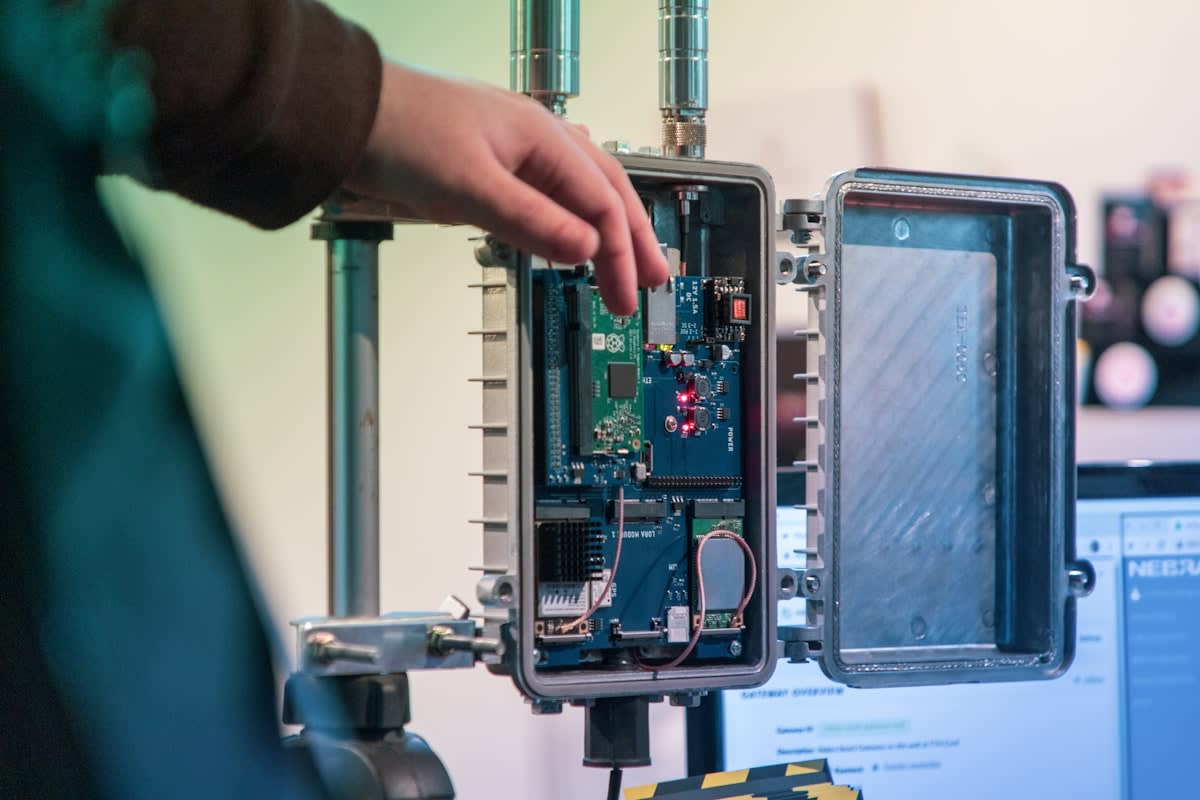
Network infrastructure must be local and redundant. Relying on a single 5G tower in a valley is a recipe for data loss. Look at the Yuma County model, where 34 wireless broadband towers were deployed to create a privately owned network for farmers. This redundancy ensures that real-time crop insights actually reach the operator. Without a local backhaul, your edge device is just a very expensive paperweight.
The Implementation Sequence
Stop treating the farm like a data center. The goal is immediate, actionable data, not a massive lake of useless telemetry. Implementation must follow a strict path from sensing to action, keeping the compute as close to the soil as possible. This minimizes latency and prevents the system from dying when the internet drops.
- Deploy low-power edge nodes using Avalue Industrial PCs to handle local AI workloads without overheating.
- Integrate real-time soil analysis tools, such as Stenon's FarmLab, which uses optical and electrical sensors to map nitrogen and moisture in seconds.
- Connect sensing nodes to a localized wireless mesh, mirroring the 34-tower broadband network used in Yuma, AZ.
- Link the data stream to precision actuators, specifically AI-powered sprayers like the Ecorobotix ARA595, to execute plant-by-plant treatment.
- Train operators using data-fluency curricula, similar to the BTech in Agricultural Engineering with Data Analytics offered at IIT Mandi.
Data must be processed at the edge to be useful. Stenon's FarmLab proves this by generating soil data in the field so growers can act immediately. Waiting for lab results is a luxury that modern margins do not allow. By using optical sensors to map thousands of data points instantly, the hardware removes the time gap between observation and action. This is the only way to manage plant-level nitrogen effectively.
"Traditional agronomic knowledge remains the irreplaceable foundation of agriculture; however, digital competency is needed to land a job in agri-tech market."— Education Times report on agri-informatics
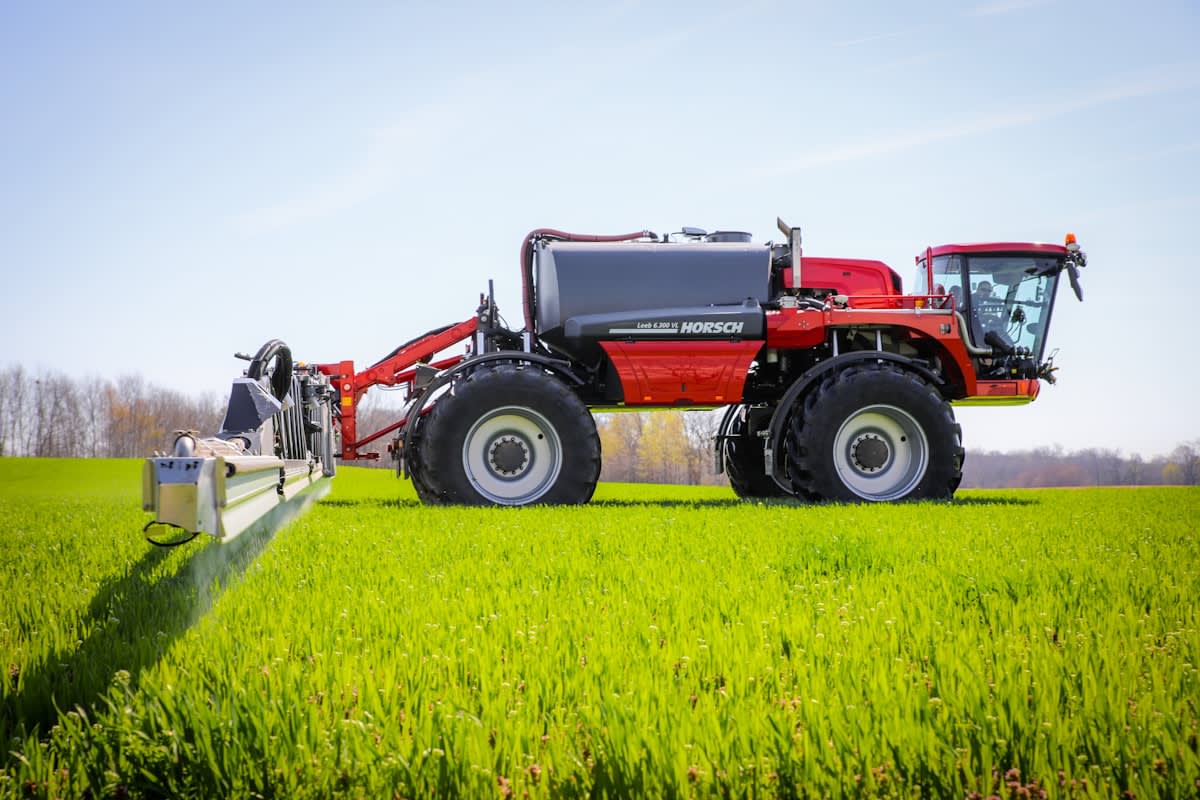
Precision is the only metric that matters. The Ecorobotix ARA595 sprayer uses Plant-by-Plant AI to identify and treat only the areas that need attention. This targeted approach reduces input costs by up to 95%. Such results are impossible with blanket spraying or delayed cloud-based decision making. The AI must live on the machine, reacting in milliseconds as the sprayer moves across the crop.
Comparing Regional Failures
Brazil provides a stark contrast to the small-holdings of Pune. Stenon's expansion into Brazil targets massive scales where nitrogen management across thousands of hectares is a logistical nightmare. In Pune, the challenge is fragmentation and humidity. Both regions, however, suffer from the same hardware hubris. Engineers try to deploy the same high-power boards in both the Amazon basin and the Deccan Plateau, ignoring the physical reality of the environment.
| Hardware Type | Thermal Profile | Field Reliability | Key Failure Mode |
|---|---|---|---|
| Standard Server | High (Active) | Low | Fan failure/Dust clog |
| Industrial Edge (Avalue) | Low (Passive) | High | Extreme heat soak |
| Consumer Grade | Medium | Very Low | Voltage surge/Capacitor pop |
Connectivity varies wildly by geography. Yuma's 34-tower network is a targeted strike against desert isolation. Pune's challenge is not distance, but density and interference. Using low-power cores, similar to the architecture rumored for handheld devices like the PS6, allows for constant connectivity without draining batteries. Efficiency is the only way to keep a sensor network alive for a full growing season.
Common Pitfalls
Over-reliance on the cloud is the first mistake. When the link drops during a critical spraying window, the machine stops. Local AI, like the 30+ crop algorithms in the ARA595, ensures the work continues. If your system requires a heartbeat from a server in Virginia to spray a weed in Maharashtra, you have failed.
Ignoring the human element is the second mistake. You can deploy the best Avalue boards, but if the operator cannot read the data, it is useless. This is why institutions like ICAR and IIT Mandi are pushing for data fluency. Agricultural graduates who cannot handle GIS or Remote Sensing are as useless as a sensor with a dead battery. The hardware is only as good as the person holding the tablet.
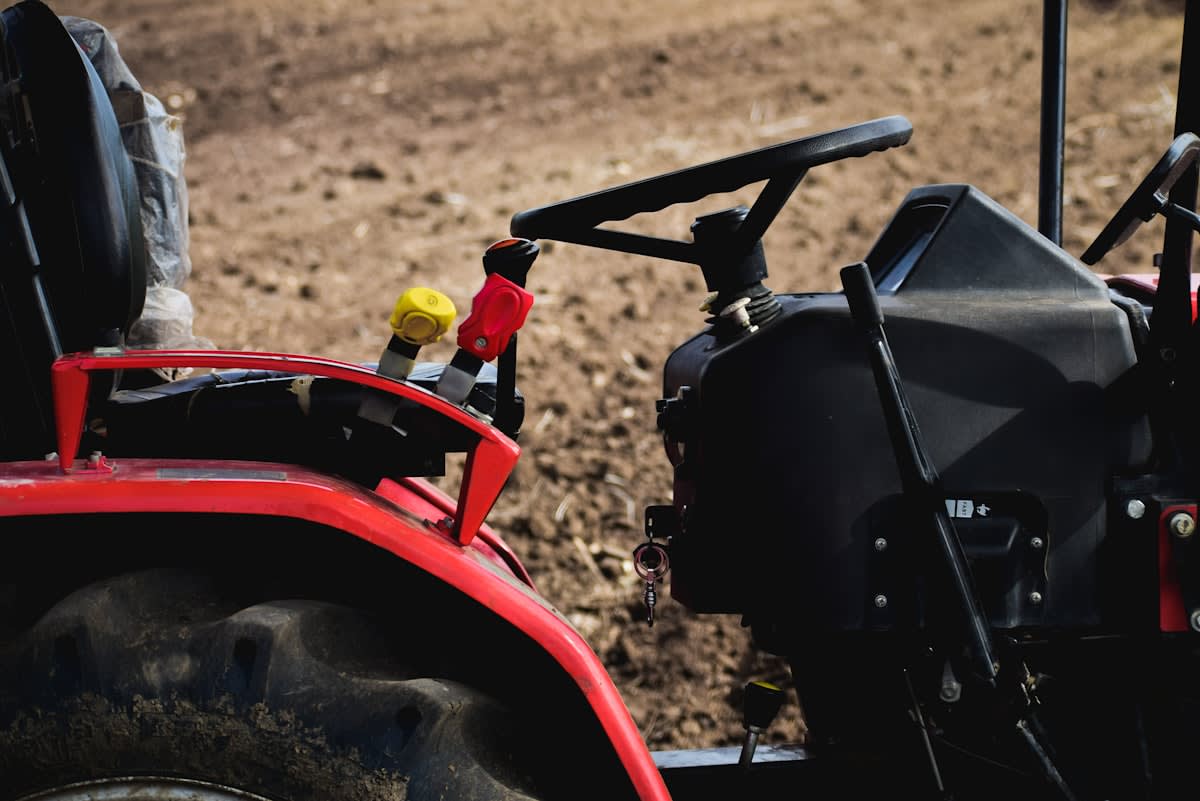
Underestimating the vibration of heavy machinery is the final error. A standard SSD will shake itself to death in a tractor mount. Industrial motherboards with soldered components and ruggedized connectors are not optional. They are the only thing keeping the software running when the tractor hits a furrow at twenty kilometers per hour.
Thermal throttling is a silent killer. A processor that slows down to save itself from melting will cause the AI sprayer to miss targets. This is why stripped-down, low-TDP (Thermal Design Power) hardware is superior. It runs at a consistent, albeit lower, speed, ensuring that the plant-by-plant identification remains accurate regardless of the temperature.