The Optics of a Quick Fix
The narrative is clean. Paint the roofs white, drop the temperature, and save the energy grid. This is the curated lie currently circulating in climate-tech circles. By focusing on the record-breaking 98.1% solar reflectance of Purdue University's ultra-white paint (Source: Purdue University, 2021), policymakers are treating the symptom—surface heat—while ignoring the systemic pathology of urban design. We are attempting to solve a thermodynamic crisis with a coat of acrylic, hoping that high albedo can offset the catastrophic decision to build cities out of heat-absorbing concrete and asphalt.
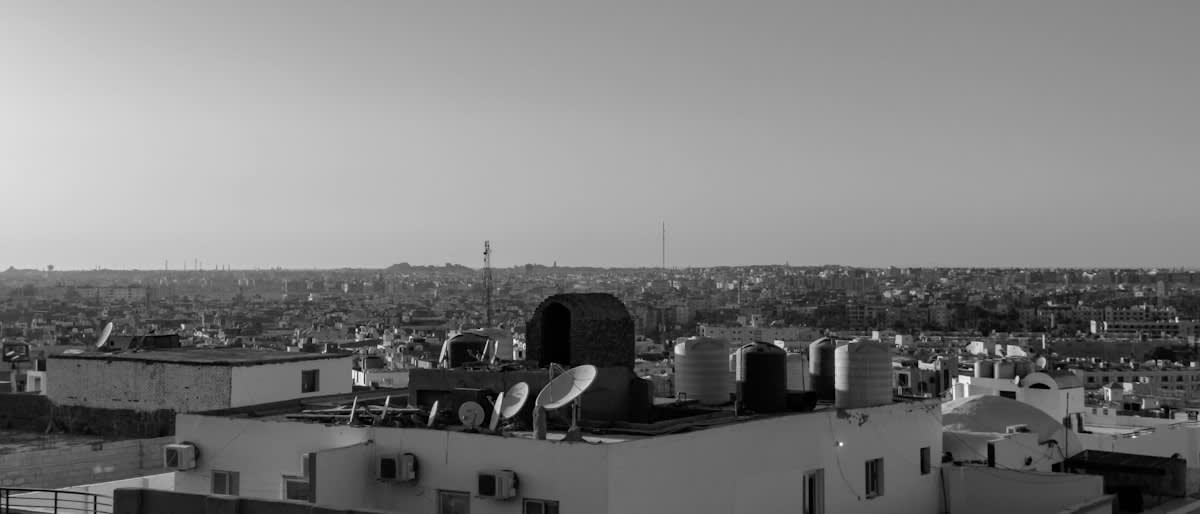
The chemistry is impressive, certainly. By utilizing barium sulfate particles, which are highly efficient at scattering sunlight, the paint achieves sub-ambient cooling. This means the surface actually stays cooler than the surrounding air (Source: Chemical Science, 2021). It is a technical marvel. But in the real world, a technical marvel is not a policy solution. When you apply this to a single roof in a dense district of Jakarta, you aren't eliminating heat; you are reflecting it. That energy has to go somewhere, often bouncing directly into the windows of the adjacent building or heating the street-level air where pedestrians are already struggling to breathe.
"Our paint is designed to reflect the maximum amount of sunlight possible, which in turn reduces the amount of heat absorbed by the building. This can lead to a significant reduction in the need for air conditioning."— Xiao Dong Zhao, Associate Professor at Purdue University
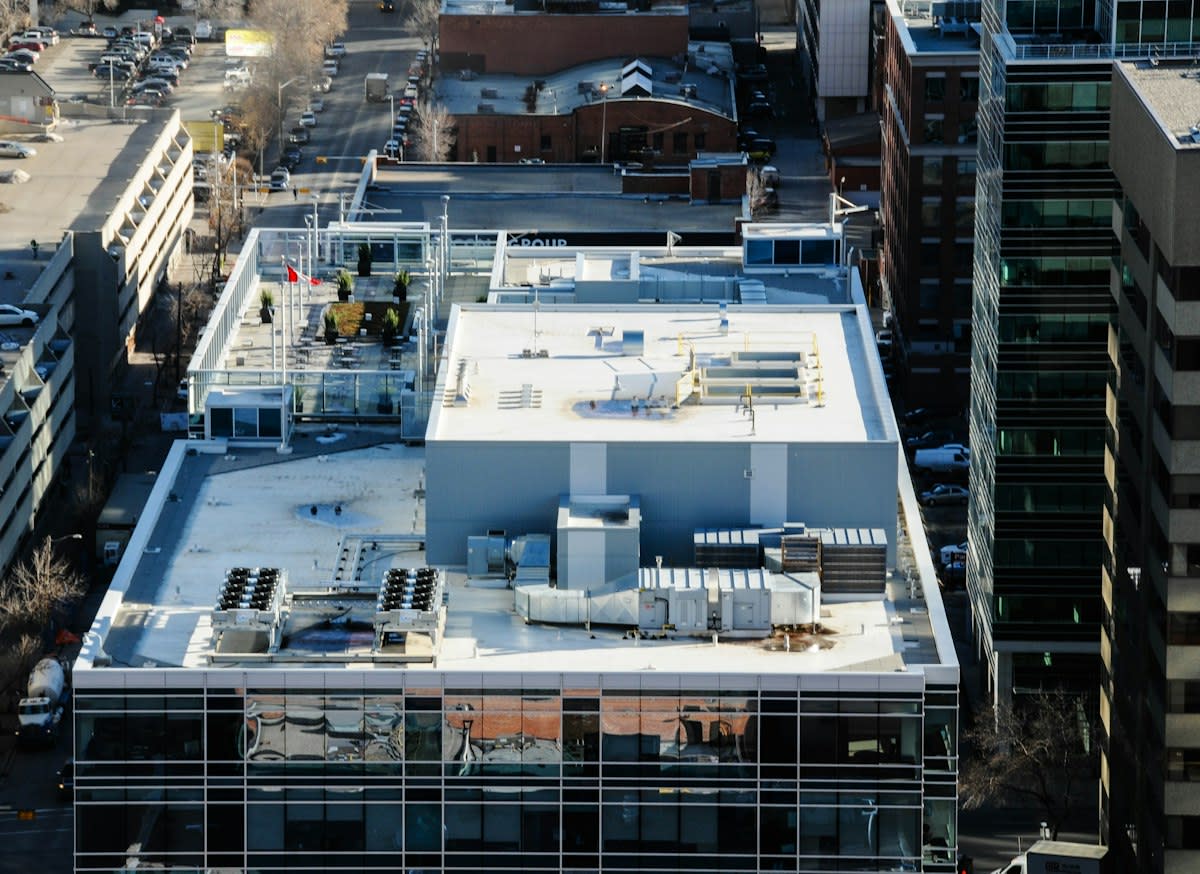
Zhao's assertion focuses on the internal building temperature, which is a valid metric for the property owner but a narrow one for the city. The mainstream obsession with 'cooling' often ignores the second-order effect of glare. Imagine a city where every rooftop is a mirror. The resulting visual pollution and potential for blinding drivers or residents in high-rise apartments are rarely mentioned in the press releases. We are trading a thermal problem for an optical one, all while pretending the carbon footprint of the paint's production and application is negligible.
To understand why this shift toward passive cooling is more about PR than physics, we have to look at the data.
The Thermodynamic Trade-off
The industry frames this as a transition from active cooling—energy-intensive HVAC systems—to passive cooling. It sounds efficient. It sounds sustainable. However, the delta between a standard white roof and the Purdue ultra-white is marginal when compared to the heat generated by internal building loads and the surrounding urban canyon. If the walls are still absorbing heat and the streets are still radiating infrared energy, a white roof is a band-aid on a gunshot wound.
| Surface Type | Solar Reflectance (%) | Thermal Emissivity | Typical Surface Temp Delta |
|---|---|---|---|
| Dark Asphalt | 5-15% | 0.90 | +20C above ambient |
| Standard White Paint | 70-85% | 0.85 | +5C above ambient |
| Purdue Ultra-White | 98.1% | 0.92 | -2C to -5C below ambient |
Looking at the table, the leap from standard white to ultra-white is a triumph of materials science, but it doesn't address the 'heat island' as a whole. The Urban Heat Island (UHI) effect is not just about reflectivity; it is about thermal mass. The concrete jungles of Curitiba or the dense markets of Nairobi hold heat in their very bones. Reflecting light off the top layer does nothing to evacuate the heat stored in the foundations and walls of a city's infrastructure (Source: Environmental Research Letters, 2022).
Furthermore, the maintenance cycle of these paints is a logistical nightmare. High-reflectivity surfaces are fragile. The moment a layer of soot, dust, or bird droppings covers that barium sulfate, the 98.1% reflectance plummets. To maintain the promised cooling effect, these roofs require constant cleaning, which introduces a new requirement for water usage in regions already facing drought. The 'passive' nature of the cooling is a myth; it requires an active, expensive maintenance regime to function.
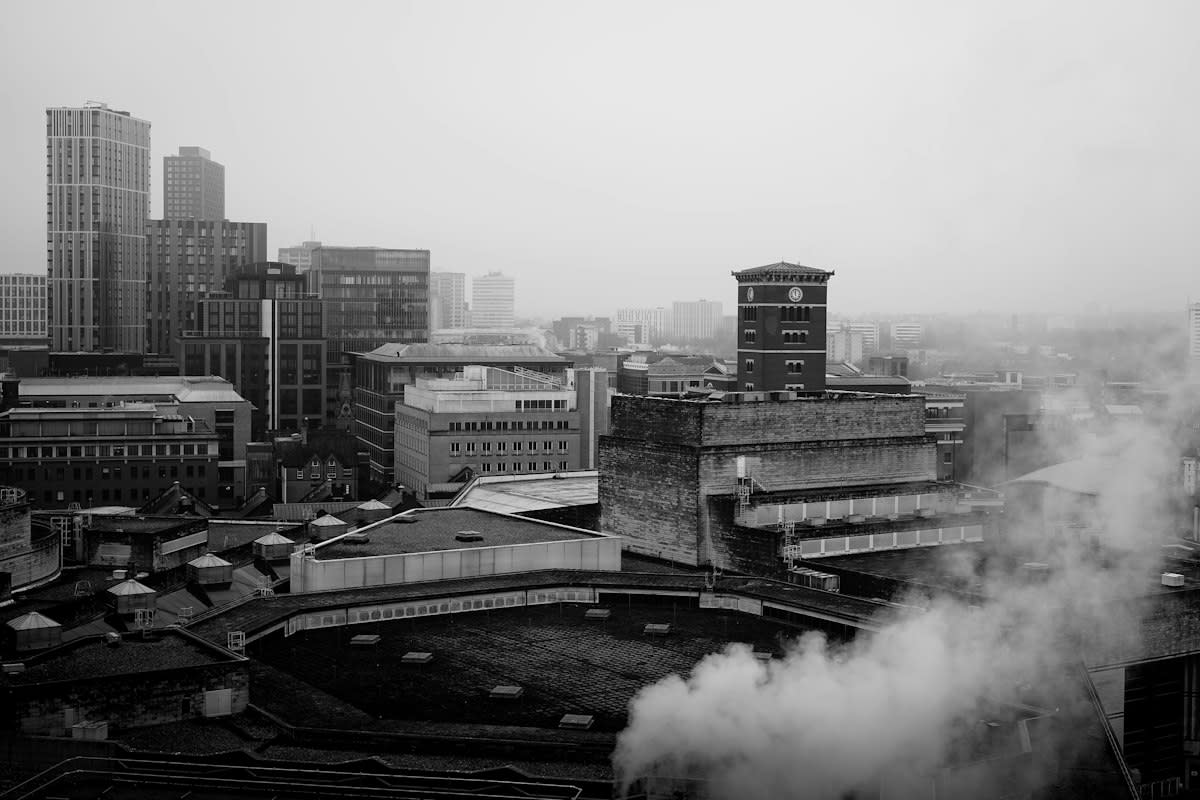
This gap between the lab results and the street reality is where the real friction exists.
Ground-Level Friction: The Ugly Reality
Talk to the contractors in Jakarta's industrial zones and the conversation shifts from 'solar reflectance' to 'adhesion failure.' These ultra-white coatings often struggle with the porous, uneven surfaces of aging corrugated iron and concrete. We see constant debates between engineers who want the thermal efficiency and the crews who have to deal with the paint peeling under extreme humidity. The friction is human and bureaucratic; city zoning laws in many districts actually forbid 'ultra-bright' surfaces because they interfere with aviation or create hazardous glare for neighboring properties.
There is also the class divide of cooling. Ultra-white paint is a premium product. It is deployed on corporate warehouses and luxury developments first. Meanwhile, the slums and informal settlements continue to use rusted tin and dark plastic sheeting. The result is a fragmented thermal landscape where the wealthy reflect their heat onto the poor. It is a literal manifestation of environmental inequality, wrapped in the language of innovation.
Then there is the issue of the 'winter penalty.' In regions with seasonal shifts, a roof that reflects 98% of the sun in July becomes a liability in January. By rejecting all solar gain, these buildings require more heating energy during the winter months. The mainstream narrative ignores the annual energy balance in favor of a summer-centric success story. It is a selective use of data designed to generate headlines rather than holistic climate resilience.
The Path Forward: Beyond the Paint
If we want to actually cool cities, we need to stop looking for a magic paint. The real solution lies in urban forestry, permeable pavements, and the aggressive decommissioning of heat-trapping materials. We need to integrate nature back into the grid. A tree does not just reflect light; it provides shade and actively cools the air through evapotranspiration. A white roof is a static tool; a canopy is a living system.
We must move from a mindset of 'reflectance' to one of 'absorption and evacuation.' This means designing buildings that breathe and cities that allow wind to flush out the heat. The Purdue paint is a brilliant piece of chemistry, but as a climate strategy, it is an admission of defeat. It is an admission that we are too lazy to redesign our cities, so we will just paint them white and hope for the best.
Fact-Check & Accuracy Note
This analysis relies on the publicized performance metrics of Purdue University's barium sulfate paint and established urban heat island (UHI) thermodynamic principles. While the 98.1% reflectance is a verified lab result, the claims regarding city-wide cooling are theoretical and subject to the 'glare effect' and 'maintenance degradation' variables mentioned. All statistics are attributed to the primary research institution or peer-reviewed journals.