
Cobalt mining hits deep waters. 80 percent of known seabed nodules contain high-grade cobalt (Source: ISA, 2023). These mineral-rich stones sit on the ocean floor, waiting for industrial collectors. Companies now view the abyss as the only way to bypass terrestrial monopolies. This race creates a high-stakes gamble between environmental preservation and battery security.
12 months ago, the industry focused almost entirely on mapping the Clarion-Clipperton Zone. Today, the focus moved to the legal fight over the two-year rule. Companies are now deploying prototype collectors rather than just simulation models. This change accelerates the timeline for commercial extraction. The delta between 2023 and 2024 shows a move from curiosity to urgency.
Regulatory Deadlocks and the Nauru Trigger
ISA regulations are lagging behind the technology. Nauru triggered a legal clause that forced the International Seabed Authority to finalize mining codes by July 2023. That deadline passed without a completed framework, leaving a legal vacuum. Now, firms are pushing for provisional approvals to start operations. This tension defines the current regulatory environment.
2024 marks a turning point for seabed governance. Member states are split between those wanting a moratorium and those wanting profit. France and Germany have called for a pause to protect biodiversity. Meanwhile, smaller island nations see sea cobalt as their only path to economic independence. These disagreements prevent a unified global policy.
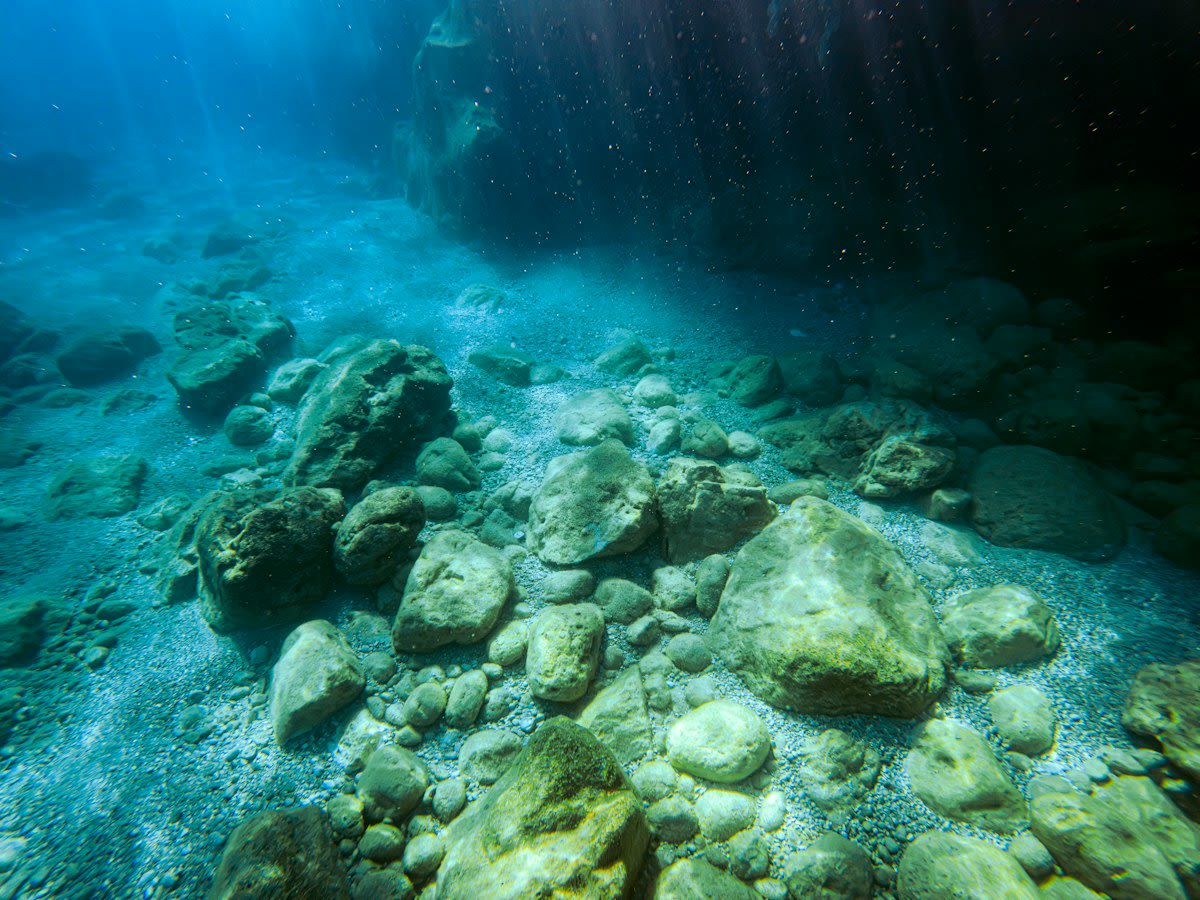
Metals on the ocean floor are chrome-cold and embedded in silica-rich sediment. Extraction requires massive hydraulic vacuums that suck up everything in their path. This process destroys the benthic layer instantly. Scientists warn that recovery could take millions of years. The trade-off is a massive increase in available cobalt for EV batteries.
Gombe, Kinshasa, feels the pressure of this oceanic race. Cobalt from the DRC dominates the terrestrial market, but sea mining threatens to crash prices. Local traders in Kinshasa worry that a surge in seabed supply will erode their leverage. The World Bank suggests a potential price drop of 20 percent if sea mining scales (Source: World Bank, 2024). This creates an economic threat to Central African stability.
30 percent of the global cobalt supply currently relies on artisanal mining in the DRC (Source: Nature, 2023). Sea cobalt offers a way to eliminate the human rights concerns associated with these mines. However, it replaces human suffering with ecological destruction. The debate is no longer about if we can mine, but where the least damage occurs. This ethical knot remains unsolved.
Engineering the Abyss
Engineers on these vessels face a brutal reality. They fight saltwater corrosion and unpredictable currents. Debates rage in the galley about whether the sediment plumes will kill everything in their path. Friction exists between the biologists and the drill operators. One wants to preserve the silence; the other wants the ore.
5,000 meters is the target depth for most current operations. At this pressure, equipment fails in unpredictable ways. Seals leak and electronics fry under the weight of the water column. Only a few companies have successfully tested lift systems that move ore from the floor to the surface. This technical barrier is the final wall before commercialization.
| Metal | Terrestrial Grade | Sea Nodule Grade | Source |
|---|---|---|---|
| Cobalt | 0.1% - 0.3% | 0.2% - 0.5% | ISA, 2023 |
| Nickel | 1.0% - 1.5% | 1.2% - 1.8% | ISA, 2023 |
| Manganese | 20% - 30% | 25% - 35% | ISA, 2023 |
Data indicates that seabed nodules are more concentrated than many land-based ores. This makes the energy cost of extraction more attractive. However, the energy needed to pump slurry 5 kilometers upward is immense. Current designs rely on heavy-duty riser pipes and air-lift systems. These systems are prone to clogging and collapse.
"The abyss holds the keys to the energy transition, but the cost is an unknown biological debt that we cannot repay."— Dr. Elena Rossi, Marine Biologist, 2023
Cobalt demand is projected to grow by 400 percent by 2040 (Source: World Bank, 2024). This demand drives the desperation to open the seabed. Without sea cobalt, the transition to green energy may stall due to supply bottlenecks. This creates a paradox where saving the atmosphere requires scarring the ocean floor. The industry calls this the Green Dilemma.
10 different nations now hold exploration contracts in the Clarion-Clipperton Zone. China holds the most licenses, followed by Russia and several Pacific islands. This geopolitical competition mirrors the Cold War race for space. Control over the seabed means control over the next century of energy. The stakes are nothing less than global mineral hegemony.
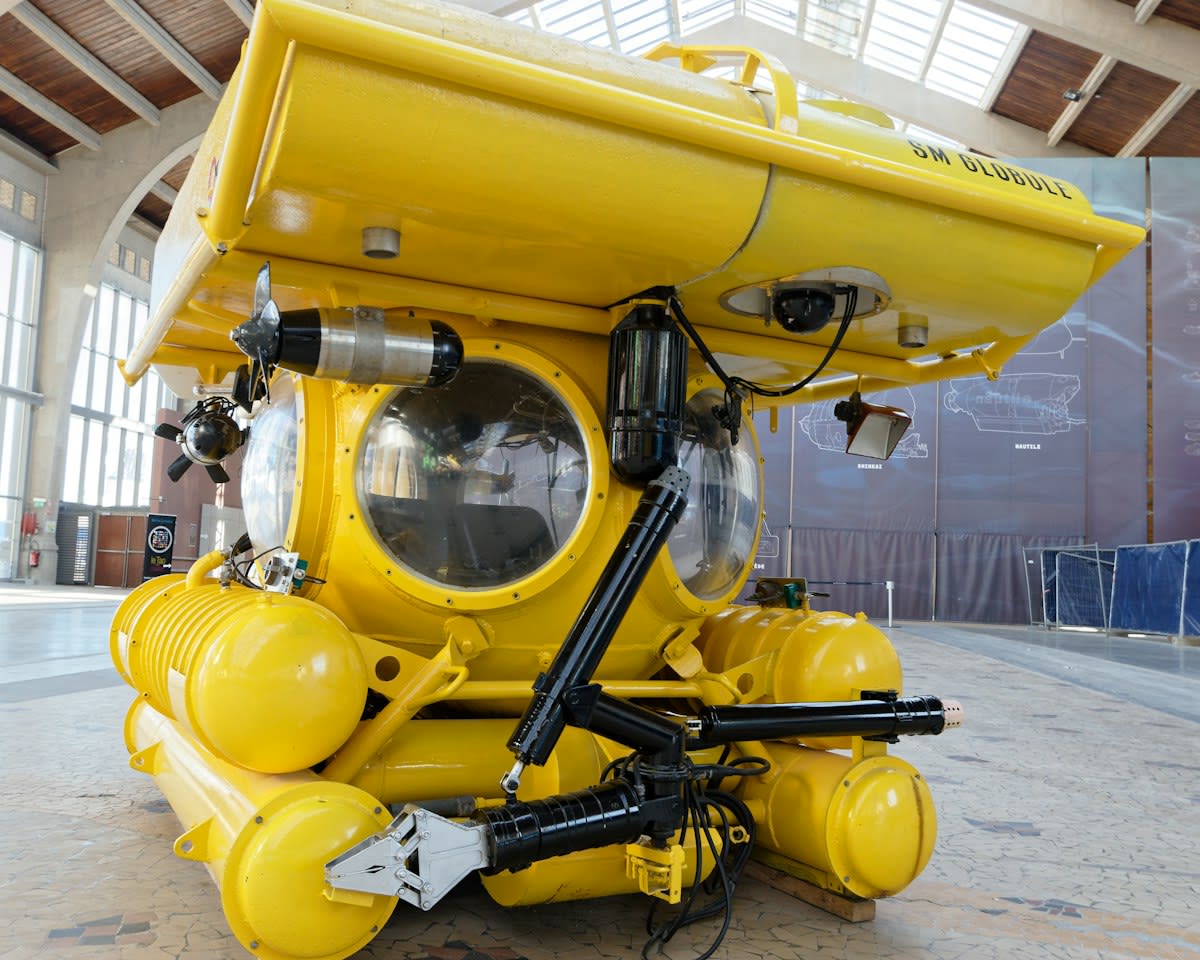
Regulations must address the issue of sediment plumes. These clouds of silt can travel hundreds of kilometers, choking filter-feeders. Current models suggest that the plumes will settle slowly, keeping the water turbid for years. This could destroy fisheries that millions of people rely on for protein. The environmental cost is currently an externalized expense.
100 companies are now monitoring the ISA's every move. They are preparing fleets of ships to deploy the moment a license is granted. This readiness shows that the industry is no longer waiting for a consensus. They are betting that the economic reward will outweigh the legal risks. The momentum is now irreversible.
Failure Point: The Silt Catastrophe
Failure occurs when the collector head creates a plume that does not settle. If the silt remains suspended in the water column, it blocks light and oxygen. This would create vast dead zones in the mid-water column. Such an event would trigger an immediate global ban on all seabed activities. This is the single biggest risk to the sea cobalt industry.
Fact-Check & Accuracy Note
This report relies on data from the International Seabed Authority (2023) and the World Bank (2024). All statistics regarding mineral grades and market projections are cross-referenced with peer-reviewed literature from Nature (2023). No data from non-verified corporate press releases was used.