‘Worse things across the border’: Got Indian citizenship, Pak migrants look for the future
Source Entity
Brendan Dabhi
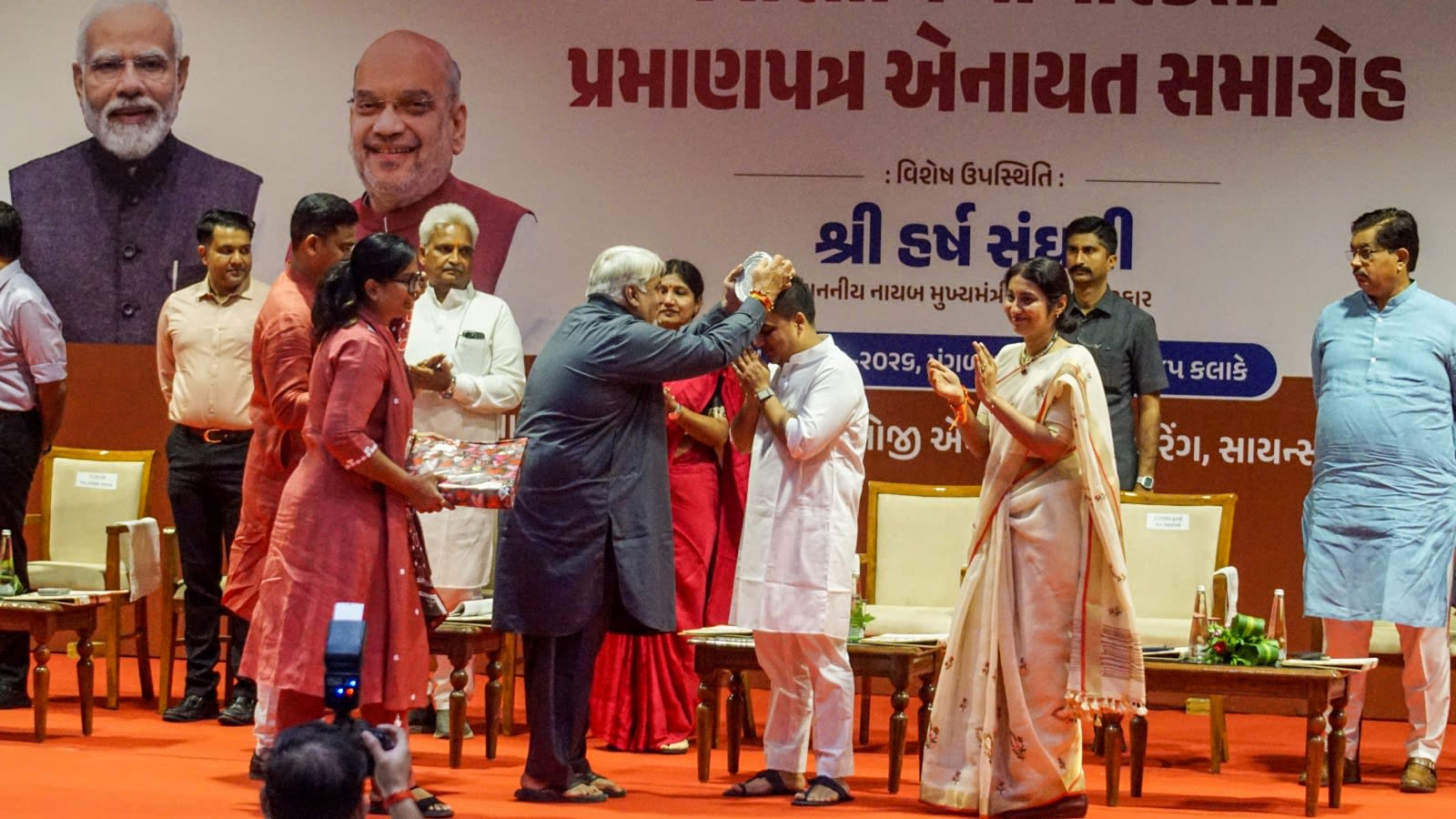
158 Pakistani migrants in Gujarat have received Indian citizenship, marking a significant milestone for their integration. The event highlights the implementation of the Citizenship (Amendment) Act (CAA) and the personal struggles of refugees seeking stability.
A New Beginning for Pakistani Migrants in India
In a landmark development in Ahmedabad, 158 refugees were officially granted Indian citizenship, marking a transformative moment for individuals who have spent years navigating the complexities of statelessness. The ceremony, which saw 126 beneficiaries processed under the Citizenship (Amendment) Act (CAA) and 32 through the district collector’s office, serves as a tangible manifestation of recent legislative efforts to streamline the naturalization process for specific migrant groups.
The Human Cost of Statelessness
The personal narrative of 31-year-old Rajnandini, a mother of three who arrived from Karachi in 2008, offers a poignant look at the challenges faced by these migrants. For over a decade, she and others in her group of 50-60 people endured systemic social exclusion. The stigma of being perceived as potential security threats often resulted in the denial of basic necessities, including stable housing. Her testimony regarding spending rainy days without a roof underscores the precarious nature of life for those lacking formal legal status, where even the fundamental right to shelter is compromised by suspicion.
Legislative Framework and Implementation
The granting of these certificates is deeply rooted in the implementation of the CAA. By empowering district-level authorities to process these applications, the government has created a more localized pathway for citizenship. The public recognition of these individuals, highlighted by a direct acknowledgment from Gujarat Deputy CM Harsh Sanghavi, reflects a shift in state policy toward integrating these migrants into the formal social and economic fabric of the country, moving them away from the margins of society.
Societal Integration and Future Prospects
For many of these new citizens, the certificate is more than just a document; it is a gateway to dignity and long-term stability. The transition from being viewed with suspicion to becoming recognized citizens allows for greater access to employment, education, and social services. This shift is critical for single parents like Rajnandini, as it provides a secure foundation for their children's futures, mitigating the cycles of poverty and insecurity that often accompany refugee status.
Broader Implications and Outlook
The event in Ahmedabad serves as a microcosm of the broader discourse surrounding migration and national identity in India. As the state continues to process applications under the CAA, the focus will likely remain on balancing security concerns with humanitarian obligations. The success of this initiative will ultimately be measured by the ability of these new citizens to fully integrate into their communities, free from the prejudices that defined their years as undocumented migrants. Moving forward, the continued administrative support for such cases will be essential in ensuring that the promises of legal status translate into real-world opportunities.