
Heat is waste. Most operators treat thermal discharge as a liability to be vented into the atmosphere regardless of the local agricultural demand. This mentality ignores the obvious profit found in the soil.
Stop the venting. When you align a data center with a commercial greenhouse, you transform a cooling cost into a revenue stream for local farmers. It changes the financial math for everyone involved.
Demand is rising. The European Union harvested 62.2 million metric tons of fresh vegetables in 2024, marking a six percent increase from the previous year (Source: Eurostat, 2025). Growers need reliable heat to maintain these volumes.
Prerequisites for Thermal Integration
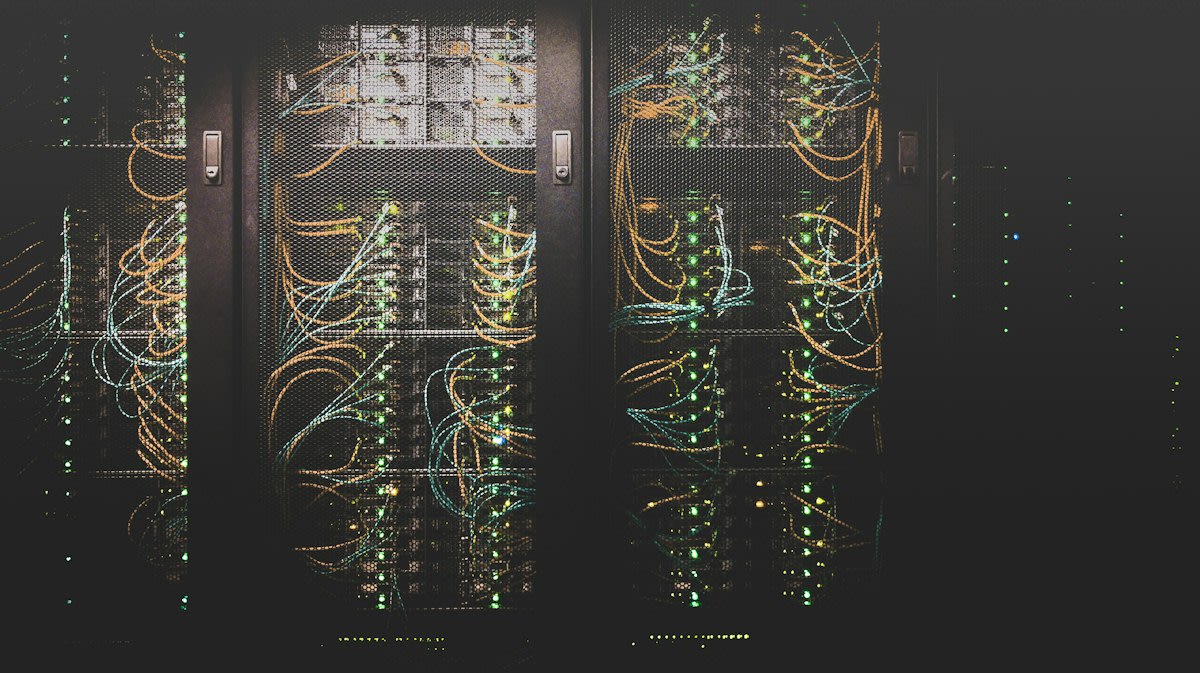
Start with power. You must ensure the data center has an installed IT power demand of at least 500 kW to make heat recovery viable. Smaller sites lack the thermal weight to justify the cost.
- Minimum IT load of 500 kW for reporting and viability (Source: Eurovent, 2026).
- Direct physical proximity to a commercial greenhouse to minimize piping heat loss.
- Compatible heat exchange fluid systems (water-to-water or refrigerant-to-water).
- Legal agreements for waste heat transfer and liability for temperature fluctuations.
Follow the law. Delegated Regulation (EU) 2024/1364 requires these facilities to report annually on energy performance, water consumption, and waste heat reuse indicators (Source: Eurovent, 2026). Compliance is now a mandatory requirement for operation.
The Implementation Workflow
- Conduct a Thermal Audit: Map the delta between server exhaust temperature and the required greenhouse ambient temperature.
- Install Heat Exchangers: Place plate heat exchangers at the data center exit to transfer heat without mixing fluids.
- Lay Insulated Piping: Use high-density polyethylene (HDPE) piping with closed-cell foam insulation to prevent thermal drop.
- Deploy Buffer Tanks: Install thermal storage tanks to normalize the heat flow between server spikes and plant needs.
- Integrate Control Logic: Link the data center's cooling loop to the greenhouse's automated venting system.
Watch the gas. The 2024 F-Gas Regulation (EU) 2024/573 introduces stricter leak-check obligations and accelerates the phase-down of HFC and HFO refrigerants (Source: Eurovent, 2026). Incorrect classifications lead to expensive and sudden compliance failures.
"When appropriately designed, waste heat recovery systems can be implemented without introducing operational risk. In such configurations, heat recovery represents an opportunity to improve overall energy efficiency, support local decarbonisation efforts, and enhance integration with surrounding communities."— Eurovent, Data Centre Cooling Guidebook (2026)
Managing Thermal Loss
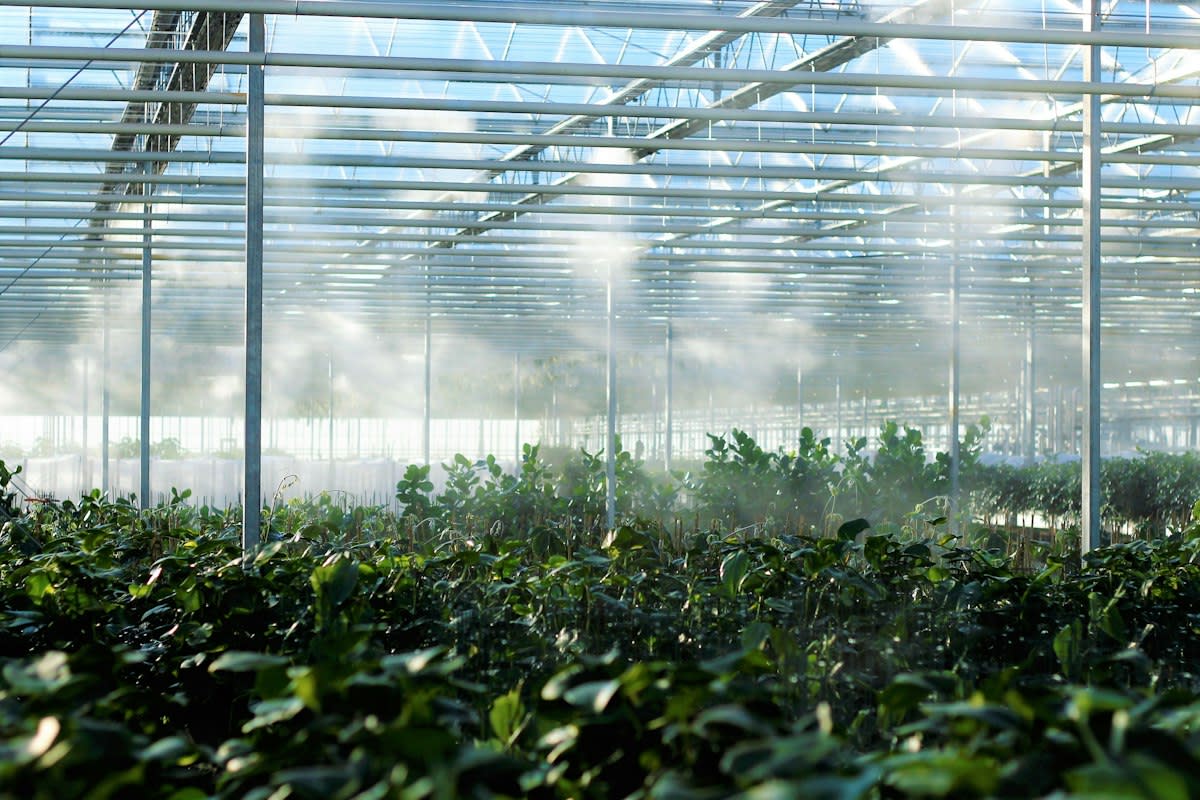
Wind kills heat. External wind increases greenhouse heat loss by enhancing airflow over the covering surface and stripping away the internal warmth (Source: MDPI, 2026). You must shield the structure to keep the heat.
Think beyond Iceland. Similar thermal recovery models could serve high-altitude farms in the Andes or cold-weather cooperatives in the Tibetan Plateau. Local climate dictates the specific piping materials used for transport.
The Practitioner's Reality
The fight is real. Facility managers hate the complexity of heat exchangers because any drop in cooling efficiency risks a server crash and massive downtime. Greenhouse growers demand a steady temperature that servers cannot always guarantee.
Get a grip. The only way to resolve this conflict is to install buffer tanks that store excess heat during peak server loads. This decouples the cooling need from the heating demand.
Build for longevity. Systems that ignore the long-term decay of heat exchangers will fail within five years due to mineral buildup and corrosion. Proper filtration gives the entire project its necessary staying power.
Common Pitfalls
- Underestimating wind-induced heat loss on the greenhouse envelope.
- Failure to account for the HFC phase-down quota cuts in 2027 and 2030 (Source: Eurovent, 2026).
- Ignoring the 34 percent of global GHG emissions linked to electricity and heat production (Source: EPA, 2024).
- Over-reliance on server load without secondary boiler backup for extreme cold.
Fact-Check & Accuracy Note
This guide relies on the Eurovent Data Centre Cooling Guidebook (2026) for regulatory data and MDPI (2026) for thermal loss analysis. Academic debate continues regarding the optimal efficiency of low-grade heat versus high-grade heat for specific crop types, and the impact of the F-Gas Regulation depends on the specific equipment classification under Annex IV.
Editorial Note
Editorial Note: The Icelandic model demonstrates that thermal synergy between IT and agriculture is viable, provided that the regulatory framework (like the EU EED) mandates reporting and encourages reuse.