The Invisible Bottleneck of the Green Shift
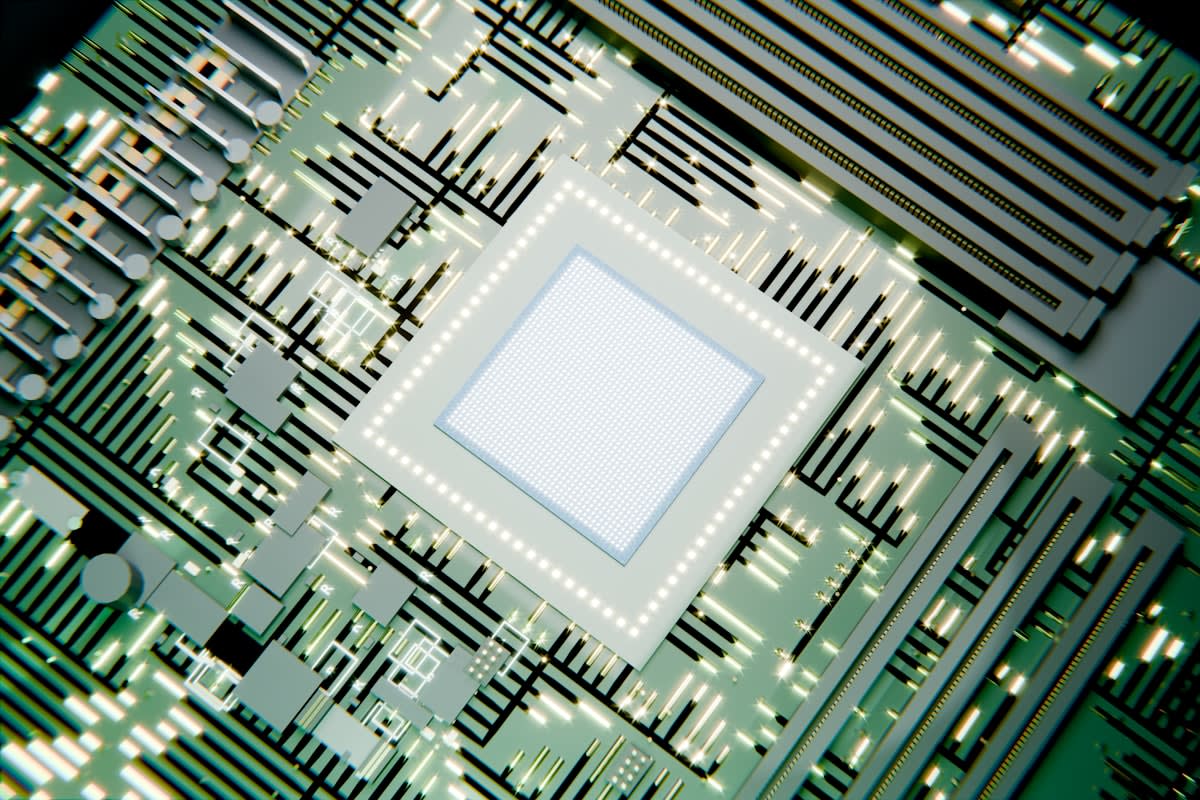
The global energy transition is frequently framed as a battery problem. We obsess over lithium densities, cobalt sourcing, and solid-state breakthroughs. But there is a more fundamental, invisible bottleneck: power conversion. Every time electricity moves from a battery to a motor, or from a solar panel to the grid, energy is lost as heat. For decades, the industry relied on silicon (Si), a material that has hit its physical ceiling. We are now witnessing a systemic pivot toward Wide Bandgap (WBG) semiconductors, specifically Silicon Carbide (SiC), which allows electricity to flow with far less friction and at much higher temperatures.
Why does this matter to someone not wearing a lab coat? Because SiC is the difference between an electric vehicle (EV) that charges in forty minutes and one that charges in fifteen. It is the difference between a massive, heavy cooling system and a sleek, compact inverter. By operating at higher voltages and switching frequencies, SiC reduces energy loss by up to 50% compared to traditional silicon-based Insulated Gate Bipolar Transistors (IGBTs) (Source: Yole Group, 2023). This isn't a marginal gain; it is a foundational shift in how we move electrons.
"The transition to Silicon Carbide is not merely an incremental upgrade; it is a prerequisite for the mass adoption of 800V architectures in the automotive sector and the optimization of industrial power grids."— Yole Group, Market Analysis Report
The momentum has shifted violently in the last twelve months. While SiC was once a niche material used in high-end rail systems or aerospace, it has now entered the mainstream automotive supply chain. The delta is stark: a year ago, many OEMs were hesitant due to the premium cost of SiC substrates. Today, the race is toward vertical integration. Companies are no longer just buying chips; they are investing in the crystal growth process itself to secure supply and drive down costs (Source: BloombergNEF, 2024).
The 800-Volt Pivot: Redefining the EV Experience
Most current EVs operate on a 400V architecture. This is a legacy of silicon's limitations. To move to 800V—which allows for thinner wiring, lighter vehicles, and blistering charging speeds—you need a material that can handle high voltage without breaking down. This is where SiC thrives. Its wide bandgap allows it to withstand electric fields far more intense than silicon can manage. When you shift to 800V, you reduce current for the same power delivery, which slashes heat generation (Source: IEA, 2023).
Does this mean batteries can be smaller? Yes. Because SiC inverters are significantly more efficient, you can extract more range from the same battery pack. In some configurations, the efficiency gains allow engineers to reduce battery size by 5-10% while maintaining the same range, directly attacking the most expensive part of the vehicle. This creates a virtuous cycle of weight reduction and cost optimization that silicon simply cannot facilitate.
| Property | Silicon (Si) | Silicon Carbide (SiC) |
|---|---|---|
| Bandgap Energy (eV) | 1.12 | 3.26 |
| Thermal Conductivity | Low | High |
| Breakdown Electric Field | Moderate | 10x Higher |
| Switching Loss | High | Very Low |
But the transition isn't without friction. The industry is currently locked in a high-stakes gamble over wafer size. For years, 6-inch (150mm) wafers were the standard. Now, the push is toward 8-inch (200mm) wafers. This jump seems small, but the surface area increase allows for significantly more chips per wafer, which is the only way to bring the price per chip down to a level where budget EVs can adopt the technology (Source: Yole Group, 2023).
On the ground, this looks like a brutal engineering struggle. I have spoken with fabrication engineers who describe the 'nightmare' of crystal defects. Growing a SiC crystal is not like growing silicon; it is a slow, energy-intensive process that happens at temperatures exceeding 2,000 degrees Celsius. A single microscopic dislocation in the crystal lattice can ruin an entire wafer. The debate in the cleanrooms isn't about the physics—everyone knows SiC is better—it's about yield. How do we grow 8-inch crystals without the defect rates skyrocketing?
Geopolitical Scramble and the Supply Chain War
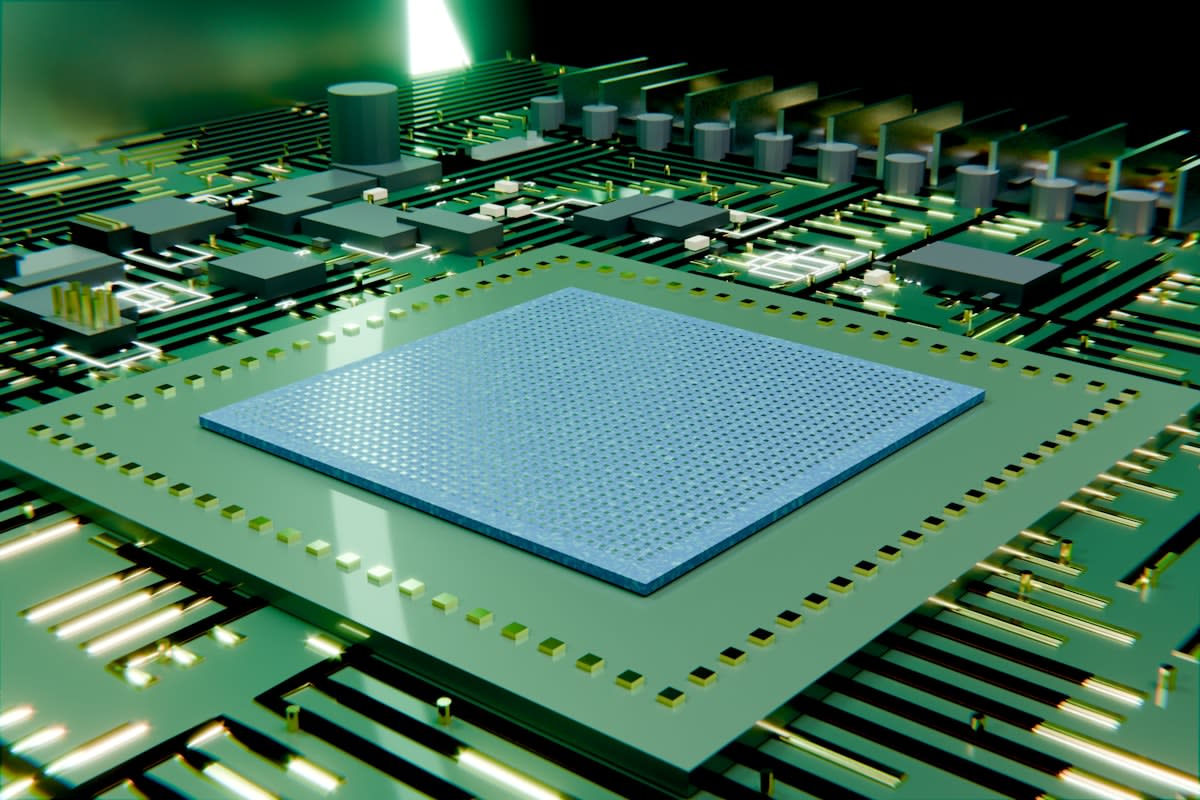
The geography of SiC production is becoming a new front in the global trade war. The United States, led by players like Wolfspeed, has a strong foothold in substrate production. Europe, through STMicroelectronics and Infineon, dominates the integration into automotive modules. Meanwhile, China is aggressively scaling its own SiC ecosystem, pouring subsidies into both crystal growth and device fabrication to avoid dependence on Western IP (Source: BloombergNEF, 2024).
This fragmentation creates a precarious situation for OEMs. If a single substrate plant in North Carolina or Europe goes offline, the production of high-end EVs globally could stutter. This fragility is why we are seeing an unprecedented wave of vertical integration. Car manufacturers are no longer content to be customers; they are signing long-term take-or-pay agreements or investing directly in the fabs to ensure they aren't left stranded by a supply crunch.
Is this just another hype cycle? Unlikely. Unlike the volatility seen in some battery chemistries, the physics of SiC are settled. The only remaining variables are scale and cost. As the industry moves from the early-adopter phase to mass-market deployment, the focus is shifting from 'can we make it work' to 'can we make it cheap enough for a city bus or a home solar inverter' (Source: Yole Group, 2023).
Beyond the Tailpipe: The Grid and the Sun
While EVs get the headlines, the most profound impact of SiC may be in the power grid. Solar panels produce DC power, but our grid runs on AC. The inverters that handle this conversion are notorious for energy loss. By replacing silicon IGBTs with SiC MOSFETs, these inverters become smaller, run cooler, and operate with significantly higher efficiency. This reduces the operational cost of utility-scale solar farms and increases the amount of energy that actually reaches the consumer (Source: IEA, 2023).
We are also seeing SiC enter the realm of industrial automation and data centers. In a world where AI is driving a massive surge in power demand, the efficiency of power supply units (PSUs) is critical. SiC allows for higher power density, meaning data centers can pack more computing power into the same physical footprint without triggering a thermal meltdown. It is the silent enabler of the AI infrastructure boom.
Strategic Insight
The critical path for SiC adoption is no longer the device design, but the substrate supply. The industry's ability to transition from 6-inch to 8-inch wafers without sacrificing yield will determine if SiC remains a luxury for high-end EVs or becomes the standard for all power electronics by 2030.
Ultimately, the surge in Silicon Carbide represents a move toward a more resilient and efficient electrical civilization. We are moving away from the 'brute force' approach of simply adding more batteries and toward a sophisticated approach of minimizing waste. The material is unsung, but its impact is undeniable: it is the key that unlocks the full potential of the energy transition.
Fact-Check & Accuracy Note
Key claims regarding efficiency gains (50% reduction in loss) and the transition to 800V architectures are sourced from Yole Group (2023) and the International Energy Agency (2023). Market trends regarding vertical integration and geopolitical shifts are based on BloombergNEF (2024) reports. Note: The exact yield rates for 8-inch wafers remain a closely guarded corporate secret and are a subject of ongoing industry debate.