One with the world? A new look at brains transformed by psychedelics.
Source Entity
Jacek Krywko
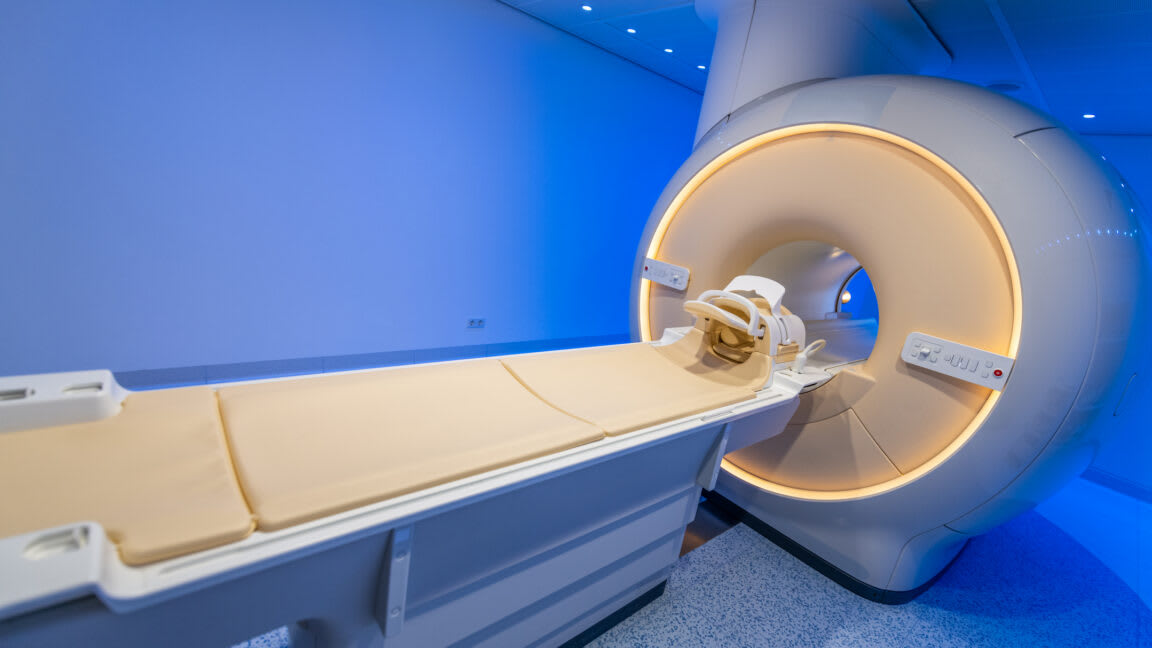
A recent Nature study challenges the long-held belief that psilocybin induces chaotic brain activity. Researchers found that psychedelic-induced states may follow structured patterns rather than total randomness.
Rethinking the Psychedelic Brain: Beyond Chaos
For over a decade, the prevailing neuroscientific consensus regarding psychedelic substances has been characterized by the concept of 'chaos.' The prevailing model suggested that when individuals consume compounds like psilocybin, the stable functional networks of the brain—responsible for executive function, visual processing, and the ego—effectively dissolve. Under this framework, the brain’s highways of communication were thought to break down, resulting in an uncoordinated, noisy storm of activity that explains the subjective experience of ego dissolution and altered perception.
The Monash University Investigation
Recent research led by neuroscientist Devon Stoliker at Monash University has sought to challenge this chaotic paradigm. By conducting a rigorous study published in Nature, the team aimed to determine if the brain’s state under the influence of 19 milligrams of psilocybin is truly random. By utilizing MRI technology to monitor 62 participants who had never previously used psychedelics, the researchers observed brain activity during both meditative states and psilocybin-induced states, looking for evidence of structure amidst the perceived noise.
Challenging the 'Highway' Metaphor
Stoliker’s research specifically addresses the metaphor that psychedelics cause brain networks to 'break down into many different directions.' While previous EEG traces showed increased complexity and signal noise, the new data suggests that this activity might not be a random descent into entropy. Instead, the study posits that the brain may be engaging in a different, perhaps highly organized form of connectivity that current models have failed to capture due to the limitations of previous diagnostic tools.
Implications for Neuroscience
If the brain’s activity under psilocybin is found to be structured rather than chaotic, the broader implications for neuroscience are profound. It suggests that the brain possesses a latent capacity to reorganize its communication patterns in a meaningful way. This could redefine how we treat neurological conditions, as understanding the exact mechanism of this reorganization could allow clinicians to 'reset' rigid neural pathways that contribute to treatment-resistant depression or anxiety disorders.
Future Trends in Psychedelic Research
This study marks a significant shift toward higher-resolution mapping of the human consciousness. As researchers move away from the binary view of 'order vs. chaos,' we can expect future studies to focus on the specific mathematical signatures of these psychedelic states. By identifying whether these states follow predictable, non-random patterns, scientists may eventually be able to harness these compounds for targeted therapeutic interventions, moving psychedelics from the fringe of alternative medicine into the mainstream of clinical neurology.