In Australia, American lantana escaped ornamental gardens and became Queensland’s most invasive weed; grazing costs reached A$121 million in 2007
Source Entity
Latest News: Todays Latest News Headlines from India & World | Hindustan Times | Hindustan Times
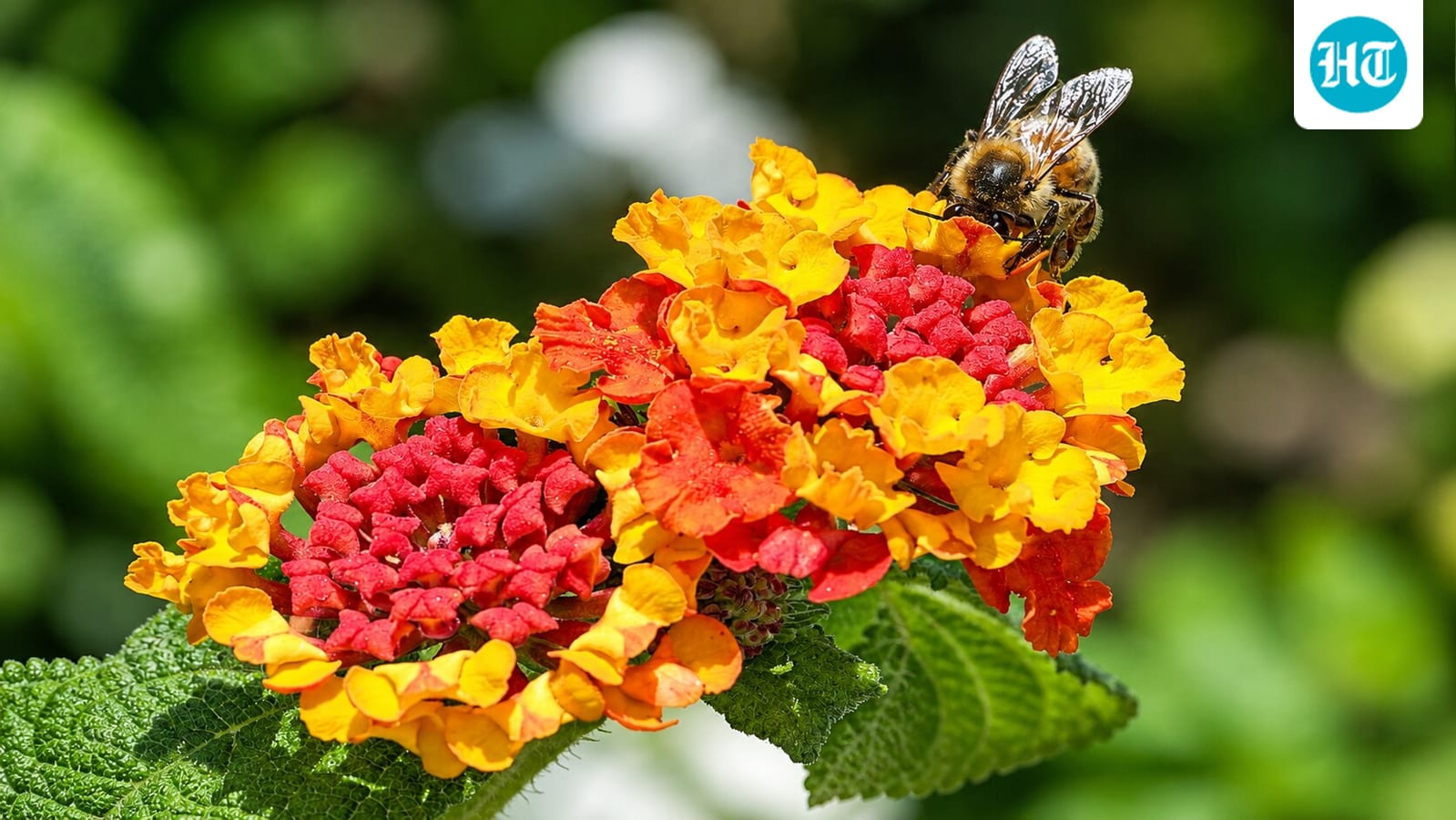
American lantana has become a destructive invasive species in Australia, causing significant economic losses to the grazing industry and threatening vital biodiversity. The plant's hardy nature and rapid spread continue to challenge ecological conservation efforts across the continent.
The Ecological Crisis of Invasive Lantana in Australia
Origins of an Invasive Threat
Originally native to the American tropics, the lantana plant was introduced to Europe in the 16th century before eventually finding its way into Australian ornamental gardens. While initially prized for its aesthetic appeal, the species displayed a catastrophic capacity for adaptation. Once it escaped cultivation, it rapidly colonized the Australian landscape, evolving into what is now widely considered Queensland’s most invasive weed. This transition from a controlled garden plant to an uncontrolled ecological menace highlights the dangers of introducing non-native species into fragile ecosystems.
Mechanisms of Dominance
Lantana’s success as an invasive species is rooted in its biological resilience. Capable of thriving from sea level up to 1800 meters, the plant exhibits a high degree of phenotypic plasticity. It functions as an aggressive competitor for essential resources like water and nutrients. Furthermore, it employs allelopathy—the release of chemicals that actively inhibit the growth of surrounding vegetation. By forming dense, impenetrable stands, lantana effectively outcompetes native flora, creating monocultures that drastically reduce biodiversity.
Economic and Agricultural Impact
The economic toll of this invasion is staggering. Beyond the immediate loss of productive land, the agricultural sector faces direct financial burdens. Data from 2007 indicated that lantana-related grazing costs reached an estimated A$121 million. This cost is driven not only by the physical displacement of pasture grasses but also by the plant’s toxicity to livestock. When cattle or sheep ingest the plant, it can lead to severe health complications, forcing farmers to implement costly eradication and management programs to protect their herds.
Threats to World Heritage Sites
The ecological devastation extends far beyond private farmland. Lantana poses a critical threat to some of Australia’s most iconic and protected environments, including the northern Queensland rainforest, the unique ecosystems of Fraser Island, and the Greater Blue Mountains in New South Wales. These World Heritage sites are particularly vulnerable because lantana’s seeds are easily dispersed over long distances by birds, allowing the weed to infiltrate remote, high-conservation-value areas that are difficult to manage or clear.
The Future of Containment and Biodiversity
As the plant continues to spread, the challenge for environmentalists and government agencies remains significant. The combination of its hardy nature and the efficiency of avian-assisted seed dispersal makes total eradication an unlikely prospect in the near term. Future management trends will likely need to shift toward integrated biological control methods, improved land-use monitoring, and stricter regulations on the trade of exotic plants. Protecting Australia’s ecological integrity requires a sustained commitment to mitigating the damage caused by this invasive American transplant.
Verification Required?