UK bluefin tuna comeback shows nature can recover, says WWF
Source Entity
BBC News
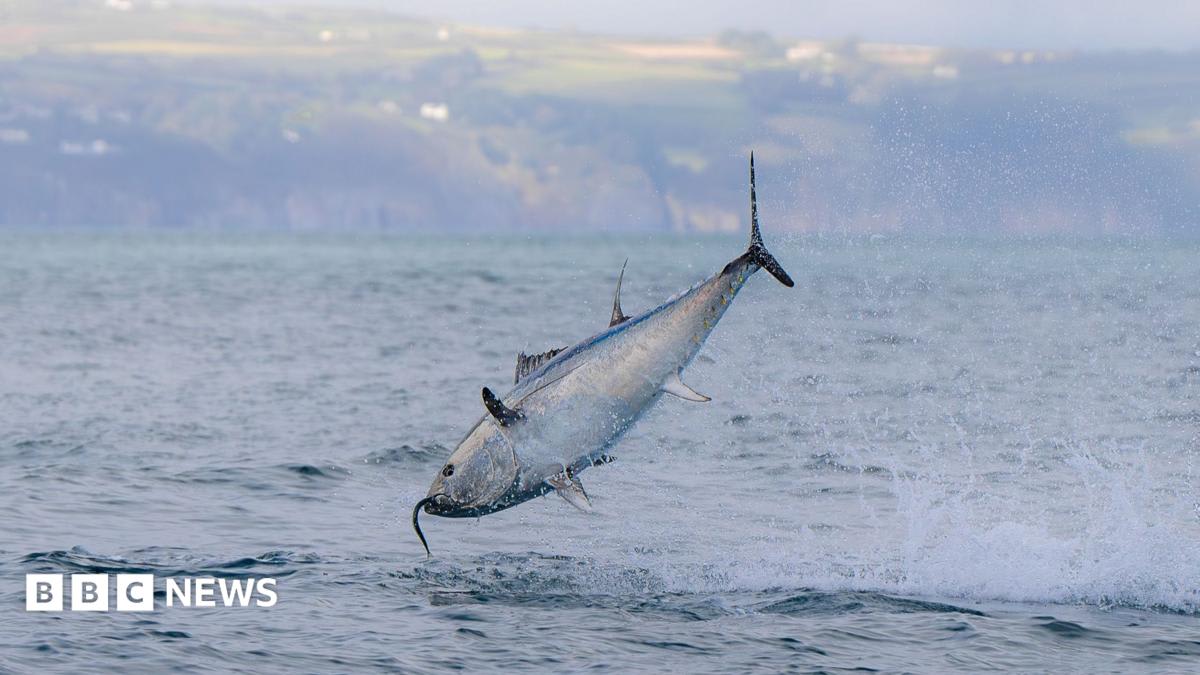
The WWF's Living Planet Report 2026 highlights the remarkable return of bluefin tuna to UK waters as a symbol of conservation success. Despite this local recovery, global wildlife populations continue to decline, underscoring both the potential for restoration and the urgent need for systemic environmental action.
The Resurgence of the Bluefin Tuna: A Beacon for Global Conservation
The recent return of bluefin tuna to British coastal waters serves as a powerful testament to the resilience of marine ecosystems. After nearly vanishing from the region entirely, these giant predatory fish have reappeared in significant numbers. This recovery, highlighted in the WWF's Living Planet Report 2026, provides empirical evidence that targeted conservation efforts and regulatory intervention can successfully reverse the tide of local extinctions.
The Dual Reality of Biodiversity Trends
While the return of the bluefin tuna offers a compelling success story, it exists within a sobering global context. The same WWF report reveals a staggering 73% average decline in monitored wildlife populations worldwide since 1970. This juxtaposition illustrates a critical environmental paradox: while specific ecosystems can be rehabilitated through dedicated human intervention, the aggregate health of the planet's biodiversity remains in a state of rapid deterioration that demands immediate and widespread attention.
Conservation in the Face of 'Freefall'
Experts at the WWF have characterized the current state of global nature as being in "freefall," emphasizing the scale of the challenge that lies ahead. The decline in biodiversity is not merely a loss of individual species but a systemic weakening of the natural networks that provide ecosystem services such as carbon sequestration, water purification, and climate regulation. The bluefin tuna’s recovery is an outlier that proves the efficacy of conservation, yet it highlights the distance between current localized successes and the necessary global stabilization of habitats.
Lessons from the British Coast
The recovery of the bluefin tuna is not accidental; it is the result of shifting ocean temperatures, changing migration patterns, and the cumulative impact of improved fishing regulations. By analyzing the factors that facilitated this return, scientists can better identify the levers required to replicate such success elsewhere. This case study suggests that when environmental stressors are reduced and habitats are allowed to recover, nature possesses an inherent capacity for regeneration that can surprise even the most pessimistic observers.
The Path Forward: Hope vs. Reality
Mike Barrett, chief scientific adviser at WWF-UK, has framed the report as one of cautious hope, asserting that it is "not too late" to alter the current trajectory of wildlife loss. This optimism is grounded in the belief that policy change, coupled with public awareness and international cooperation, can flip the narrative of decline. Future trends will likely depend on whether nations can scale these local conservation victories into integrated, global strategies that address the root causes of habitat fragmentation and resource overexploitation.
Conclusion: A Call to Action
The return of the bluefin tuna is a victory for conservationists and a vital indicator of ecosystem health in the UK. However, the broader data presented by the WWF serves as a stark warning that individual success stories must be viewed as blueprints for broader, more aggressive conservation policies. The message is clear: nature can recover if given the chance, but the window of opportunity to prevent further catastrophic declines is narrowing rapidly.