flydubai Co-Pilot Developed Extremist Views In 2017 While In Australia: UAE
Source Entity
NDTV News Search Records Found 1000
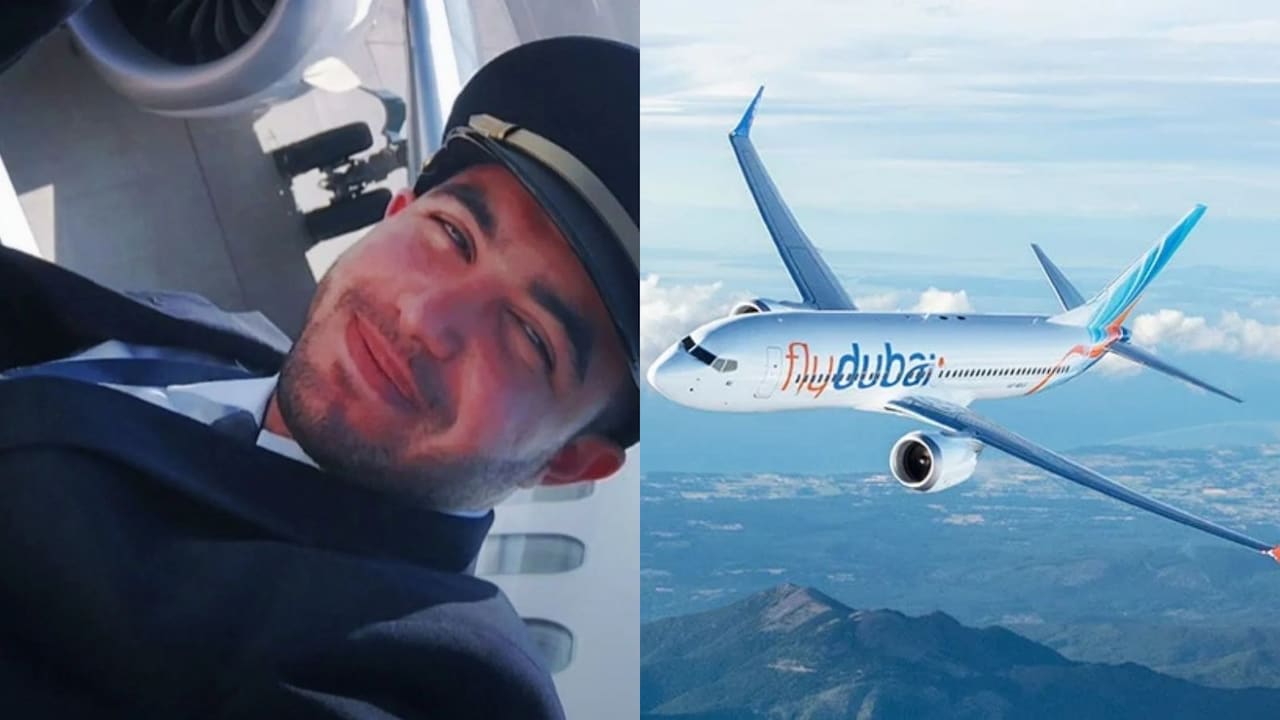
A Flydubai co-pilot allegedly planned a 9/11-inspired suicide attack on Israel's Ben Gurion Airport. UAE investigators found the suspect began radicalizing in Australia in 2017, leading to scrutiny of airline recruitment security.
The Investigation into the Flydubai Security Breach
Recent revelations from the United Arab Emirates (UAE) Attorney General, Hamad Saif Al Shamsi, have unveiled a chilling plot involving a Flydubai co-pilot, Hamam al-Hammami, who allegedly sought to replicate the devastation of the September 11, 2001, terror attacks. The 29-year-old pilot, operating a flight from Dubai to Tel Aviv on September 30, reportedly intended to commandeer the aircraft and crash it into the passenger terminal at Ben Gurion Airport, Israel’s primary international hub. This attempted act of terror was fortunately intercepted, with the flight eventually diverted to Saudi Arabia.
The Roots of Radicalization
Emirati investigators have traced the origins of the suspect's extremist transformation to 2017, during his time as a student in Australia. According to the UAE authorities, this period marked the beginning of a significant "drift towards terrorism." The progression from student life to the cockpit of a commercial airliner represents a critical failure in detecting ideological shifts that prioritize violence over professional responsibilities. The investigation highlights that the suspect’s radicalization was not an overnight event, but rather a multi-year descent into extremist dogma.
Tactical Preparation and Surveillance
Adding to the gravity of the situation, the investigation revealed that the suspect did not act on an impulsive whim. Authorities confirmed that the co-pilot traveled to Israel twice prior to the attempted attack. These reconnaissance trips suggest a level of premeditation designed to familiarize himself with the airport layout and security vulnerabilities of Ben Gurion Airport. By utilizing his position as a commercial pilot, the suspect attempted to weaponize a civilian aircraft to execute a high-casualty suicide mission.
Implications for Aviation Security
This incident has placed Flydubai’s recruitment and background screening procedures under intense global scrutiny. As airlines operate on the principle of absolute trust in their flight crews, the prospect of an "insider threat" of this magnitude forces a re-evaluation of how aviation companies monitor the psychological and ideological health of their employees. The intersection of international travel, professional aviation, and extremist radicalization presents a complex challenge for intelligence agencies worldwide.
Future Trends and Security Protocols
Looking forward, the aviation industry will likely see a push for more stringent, ongoing vetting processes that extend beyond initial hiring. The shift from static background checks to continuous monitoring of personnel behavior and travel patterns may become a standard requirement. Furthermore, this case underscores the necessity for greater cooperation between international intelligence agencies to share data regarding potential threats, particularly those who have lived or studied in multiple jurisdictions, as was the case with the suspect’s time in Australia.
Conclusion
The attempted attack on Ben Gurion Airport serves as a sobering reminder of the persistent threat posed by lone-actor terrorists who leverage professional infrastructure to commit atrocities. While the prompt actions of the UAE authorities prevented a potential tragedy, the case of Hamam al-Hammami will undoubtedly serve as a case study for global aviation security reforms for years to come. The emphasis must remain on the early detection of radicalization to ensure the safety of global travel networks.
Multiple Citing Sources
Verification Required?