A Japanese guide to keeping it together... when disaster strikes
Source Entity
Latest News: Todays Latest News Headlines from India & World | Hindustan Times | Hindustan Times
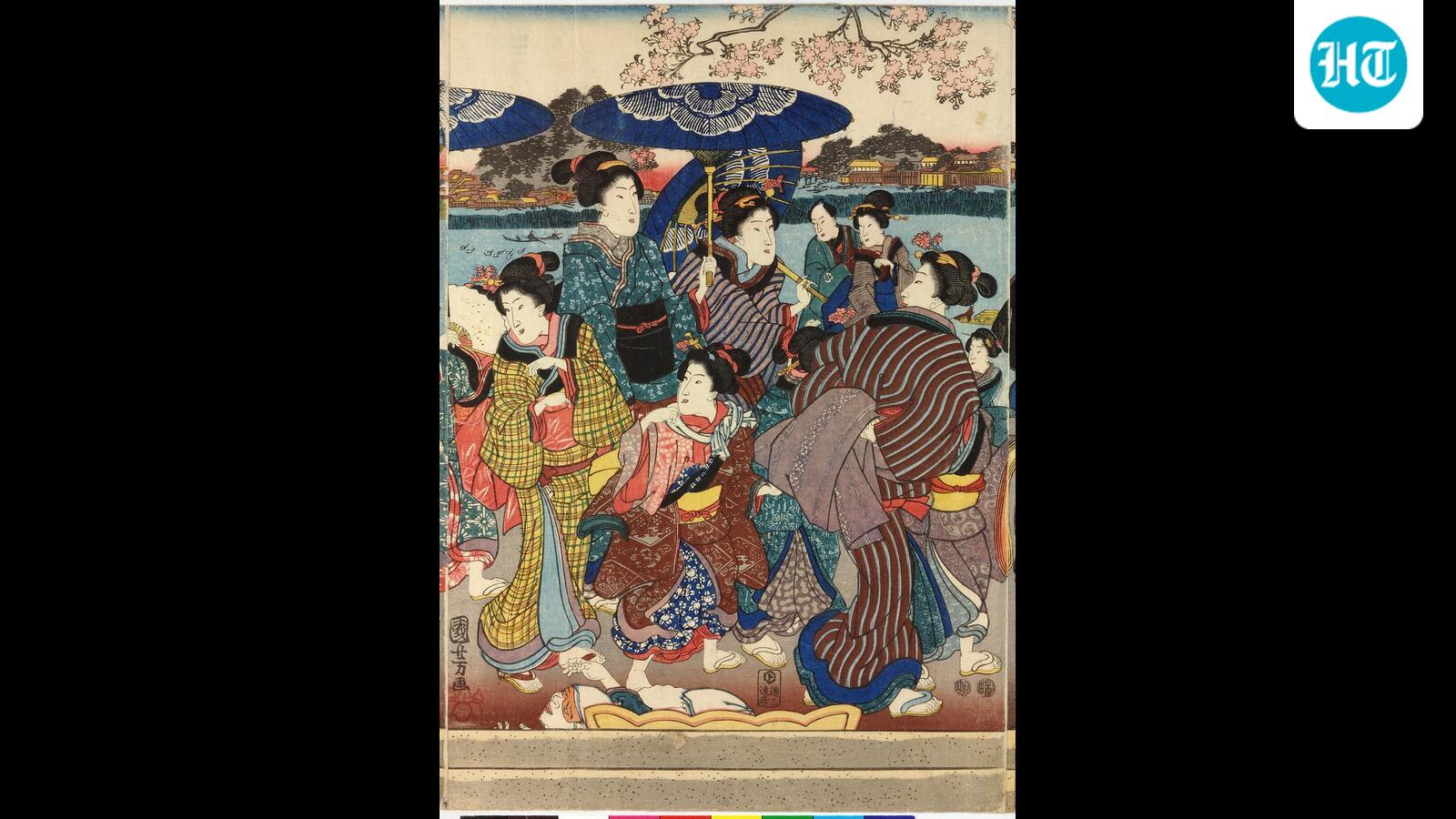
Japan’s traditional sakura viewing festivals serve as a historical mechanism for disaster preparedness by stabilizing riverbanks. This cultural practice demonstrates how collective social behavior can be integrated into long-term environmental management.
The Hidden Engineering Behind Japan’s Sakura Tradition
At the heart of Japan's celebrated hanami (cherry blossom viewing) tradition lies a surprising layer of pragmatic engineering. While the aesthetic beauty of the sakura is world-renowned, the historical origins of these gatherings reveal a sophisticated, centuries-old approach to disaster risk reduction. What appears to be a purely social ritual is deeply rooted in the necessity of managing Japan’s precarious geography.
Historical Context: The 8th Century Origins
During the Nara period in the 8th century, Japanese rulers faced significant environmental challenges, particularly regarding the stability of riverbanks. Winter frosts would cause moisture in the soil to freeze and expand, leaving the banks vulnerable to landslides during the spring thaw and subsequent rains. To combat this, authorities encouraged the populace to congregate in these specific areas under the guise of spring picnics, turning leisure into a form of active infrastructure maintenance.
Collective Preparedness as Social Engineering
The mechanism behind this initiative was simple yet highly effective: human traffic. By encouraging thousands of people to walk across, sit on, and gather near these riverbanks, the rulers ensured the soil was physically compacted. This "man-made solidity" prevented the erosion that would have otherwise led to catastrophic landslides. This historical practice serves as a profound example of how cultural traditions can be utilized to address systemic environmental threats.
Modern Implications of 'Soft' Infrastructure
Today, this philosophy of collective preparedness remains woven into the fabric of Japanese society. The integration of emergency-response measures into everyday life—such as designing schools and parks to function as disaster hubs—reflects a culture that prioritizes resilience. By embedding safety protocols into the cultural landscape, Japan has effectively normalized disaster awareness, ensuring that the general population is prepared without needing to rely solely on top-down directives.
Future Trends in Disaster Resilience
As global climate patterns become increasingly unpredictable, the Japanese model of integrating social behavior with infrastructure management offers a compelling roadmap for other nations. Experts like Miho Mazereeuw emphasize that the intersection of architecture, culture, and environmental science is key to survival. Moving forward, the global community may look toward such models to develop 'soft' infrastructure solutions that rely on community engagement rather than just heavy engineering to mitigate the effects of natural disasters.
Conclusion: A Legacy of Proactive Safety
Ultimately, the sakura tradition is more than a symbol of fleeting beauty; it is a testament to the power of collective action. By transforming a social celebration into a tool for environmental stability, historical Japanese society successfully mitigated the risks of their landscape. This enduring legacy continues to inform modern approaches to disaster management, proving that the most effective solutions are often those that become an inseparable part of daily life.
Verification Required?