Opinion: Opinion | Visa Shocks To Racist Attacks, When Did America Come To Hate Indians So?
Source Entity
NDTV News Search Records Found 1000
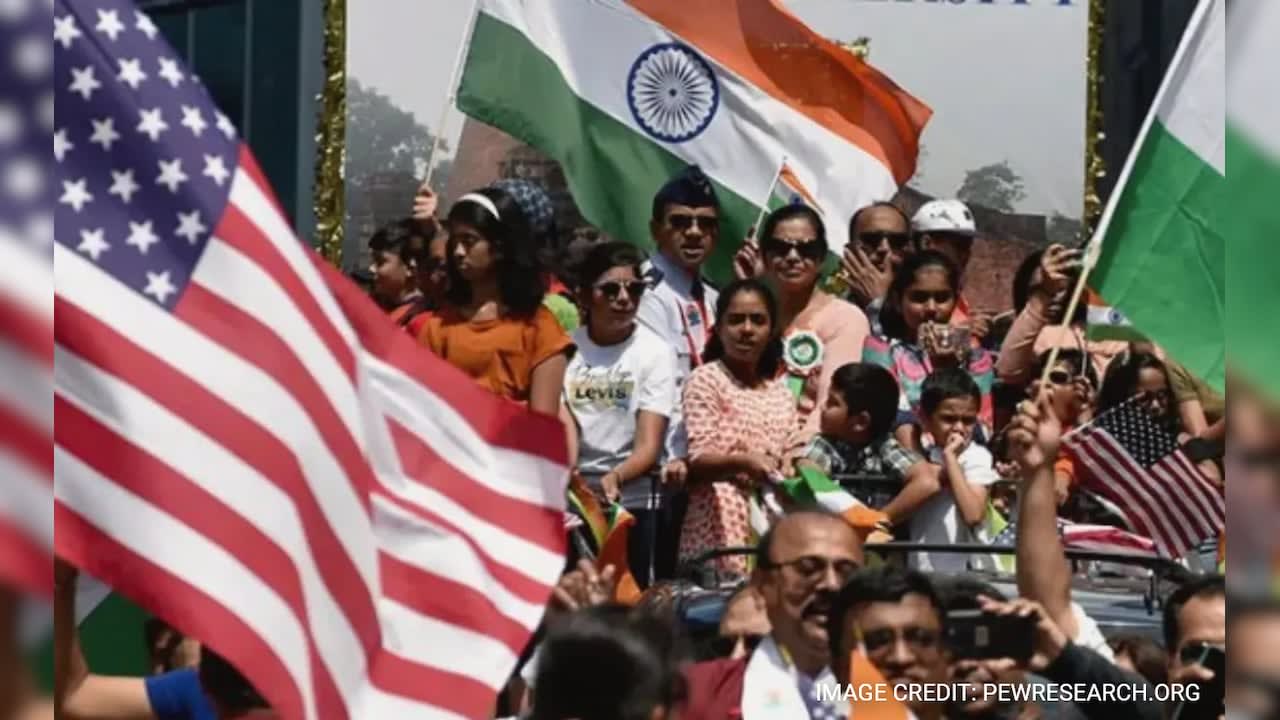
Recent incidents of hostility toward the Indian community in America have manifested through diverse grievances ranging from visa policies to cultural and religious targeting. This pattern reflects a troubling shift in social climate that observers argue is increasingly consistent in its underlying xenophobic message.
The Evolving Landscape of Anti-Indian Sentiment in America
Recent discourse regarding the experiences of the Indian diaspora in the United States highlights a disturbing trend of targeted hostility. While the justifications provided for these aggressions—ranging from economic protectionism to cultural xenophobia—appear disparate on the surface, they share a common thread of intolerance. When examining these events, it becomes clear that the motivations are often fluid, shifting rapidly between H-1B visa anxieties, labor market competition, and overt religious intolerance.
The Intersection of Economic Anxiety and Xenophobia
The H-1B visa program has long served as a lightning rod for anti-immigrant sentiment. Often framed as a threat to domestic job security, the program becomes a convenient vehicle for those harboring broader biases against foreign-born professionals. By scapegoating highly skilled Indian workers for systemic economic shifts, critics of the program often ignore the significant contributions these individuals make to the American technology and healthcare sectors. This rhetoric serves to dehumanize the immigrant experience, reducing complex human lives to mere administrative or economic inconveniences.
Cultural and Religious Targeting
Beyond the economic sphere, the narrative of "the foreigner" has expanded to include direct attacks on cultural and religious symbols, such as temples. This marks a concerning escalation from policy-based grievances to personal and communal intimidation. When religious institutions become targets, the message is no longer about labor or law; it is about the rejection of the immigrant's identity and their right to participate in the American cultural mosaic. This shift indicates that the current climate of hate is increasingly rooted in identity-based intolerance rather than mere policy disagreement.
The Consistency of the Message
Despite the varying language used to rationalize these attacks, the underlying message remains chillingly consistent. Whether the focus is on a visa application, a job opening, or a place of worship, the common denominator is the "othering" of the Indian community. This pattern suggests that individual incidents are not isolated occurrences but rather symptoms of a broader, more systemic prejudice that is gaining traction in parts of American society.
Historical Context and Future Implications
Historically, waves of anti-immigrant sentiment in the U.S. often coincide with periods of economic uncertainty or rapid social change. The current environment mirrors historical instances where immigrants were blamed for domestic instability. If this trajectory continues, the Indian diaspora may face increasing social isolation and security risks. Addressing this requires a nuanced understanding of how economic anxieties are weaponized to justify bigotry, necessitating a robust response that protects both the legal rights of visa holders and the fundamental dignity of all community members.
Verification Required?