US-India Forum Defends Green Card, H-1B Programmes Amid Crackdown On Tech Firms
Source Entity
NDTV News Search Records Found 1000
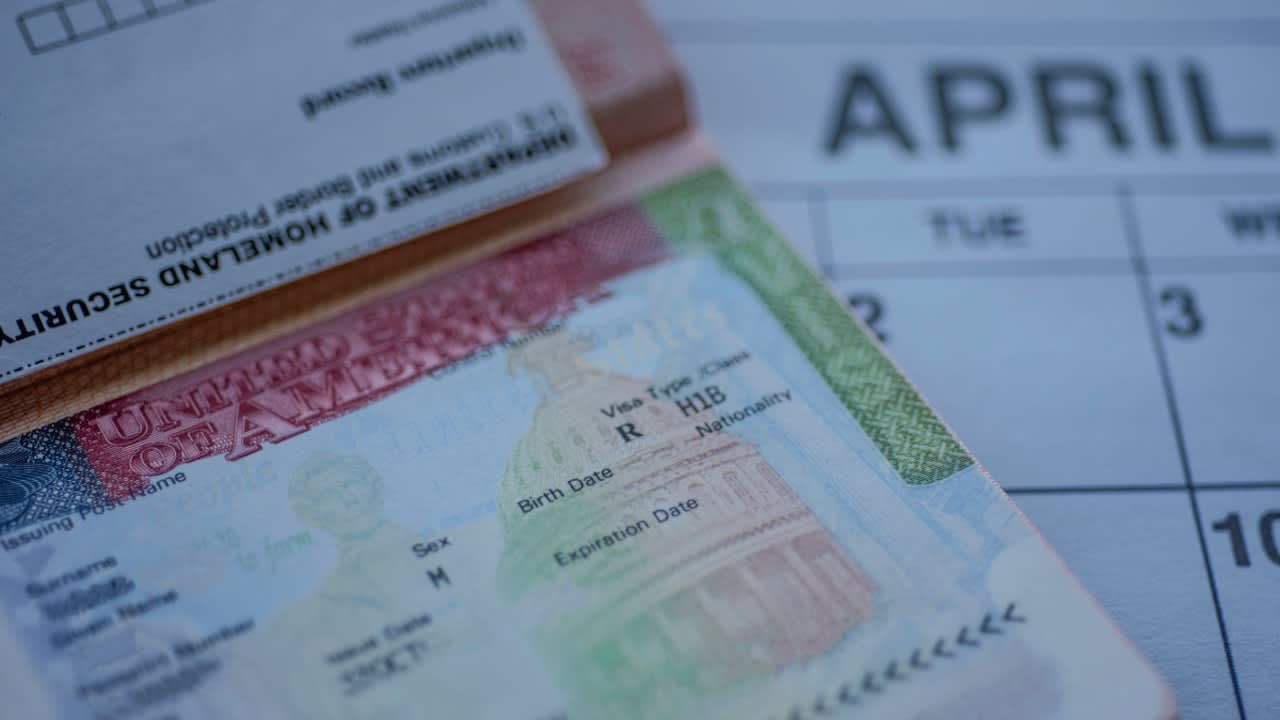
The Trump administration has frozen Green Card filings for eight major IT firms, sparking diplomatic tension with India. US officials cite reindustrialization and job protection as primary drivers, while India defends the economic benefits of talent mobility.
The Intersection of Immigration Policy and Economic Protectionism
The recent decision by the Trump administration to freeze permanent labor certification (PERM) filings for eight major technology companies—including giants like Infosys, Wipro, and Microsoft—marks a significant escalation in US immigration policy. This move, framed by the administration as a necessary step to curb fraud and prioritize the American workforce, has sent shockwaves through the global tech sector. By targeting firms that are central to both Indian service exports and US corporate operations, the administration is signaling a fundamental shift in how it manages the intersection of foreign labor and domestic industrial strategy.
The Diplomatic Friction Over Talent Mobility
The Indian Ministry of External Affairs has voiced strong opposition to these restrictions, emphasizing that talent mobility is a foundational element of the bilateral economic relationship. India argues that the current visa framework, particularly the H-1B program, has historically served as a catalyst for innovation, research, and shareholder wealth in the United States. The tension is further exacerbated by remarks from Vice President JD Vance, who has characterized certain foreign-worker arrangements as akin to 'indentured servitude,' a stance that has been met with sharp criticism from Indian officials who view the rhetoric as dismissive of the high-value contribution of Indian professionals.
Reindustrialization and the 'America First' Mandate
At the heart of the administration's policy is the narrative of reindustrialization. JD Vance’s explicit link between protecting American jobs and restricting foreign-worker programs underscores a broader protectionist agenda. The administration’s strategy assumes that by tightening the visa process, it can incentivize companies to invest more heavily in domestic hiring and infrastructure. However, critics argue that such measures ignore the integrated nature of the modern global economy, where 'cutting-edge talent' is often sourced internationally to maintain the competitive edge of major US firms.
Impact on Tech Majors and Future Trends
The freeze on PERM filings specifically impacts companies like Cognizant, TCS, and HCL, which rely heavily on the green card pipeline to retain long-term talent. By casting a wider net that includes investigations into elite universities, the administration is signaling that no sector of the foreign-talent pipeline is immune to scrutiny. This trend suggests a future where multinational corporations may face increased regulatory burdens and higher costs for talent acquisition, potentially forcing a structural change in how these companies distribute their workforce between India and the US.
Economic Implications and Long-Term Outlook
The long-term implications of these restrictions remain uncertain. While the administration seeks to demonstrate a commitment to American workers, there is a risk that the crackdown could hamper the productivity and competitiveness of the very firms it aims to regulate. If the US continues to restrict the flow of high-skilled labor, it may find itself at a disadvantage in global innovation cycles. The coming months will likely see intense lobbying and potential legal challenges as the affected firms and the Indian government seek to mitigate the economic fallout of these visa restrictions.
Verification Required?