In 1994, California ordered Los Angeles to curb its Mono Lake diversions, imposing stream-flow rules to protect a lake pushed toward collapse
Source Entity
Latest News: Todays Latest News Headlines from India & World | Hindustan Times | Hindustan Times
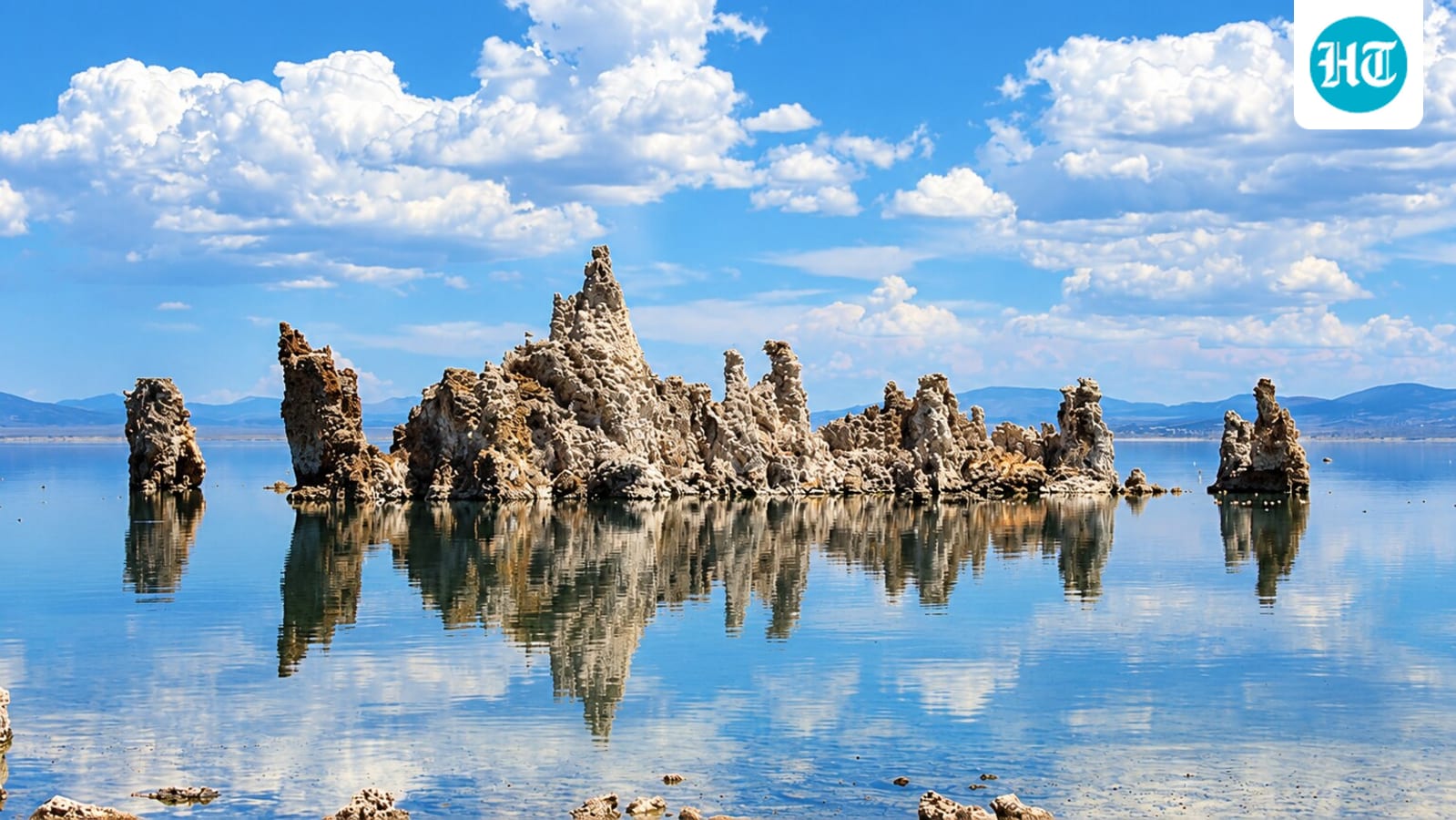
In 1994, California mandated that Los Angeles reduce water diversions from Mono Lake to prevent ecological collapse. Despite these state-imposed stream-flow regulations, the lake has yet to reach its intended target water level after dropping 45 feet.
The Long Road to Recovery: Mono Lake
In 1994, the State of California reached a pivotal decision to intervene in the environmental degradation of Mono Lake, a saline soda lake in the Eastern Sierra. Faced with the catastrophic prospect of ecological collapse, the state ordered the City of Los Angeles to significantly curb its water diversions. This decision was a direct response to the lake's water level, which had plummeted by 45 feet, threatening the unique brine shrimp and alkali fly populations that sustain millions of migratory birds.
The Mechanics of the 1994 Mandate
The 1994 ruling imposed strict stream-flow requirements on the water sources feeding Mono Lake. Historically, Los Angeles had relied heavily on these streams to support its growing municipal water needs. By forcing the city to prioritize the lake's health over its own diversion capacity, the state aimed to restore the water level to a sustainable elevation. This was a landmark moment in Western water law, signaling a shift toward prioritizing ecosystem services over unchecked urban expansion.
Challenges in Meeting Sustainability Targets
Despite the clear legal mandates established in 1994, progress has been agonizingly slow. The target water level, deemed necessary for the long-term viability of the lake’s ecosystem, remains elusive. The persistent failure to reach this threshold highlights the immense difficulty in balancing the water requirements of a sprawling metropolis like Los Angeles with the delicate, slow-moving recovery of a high-desert saline lake.
Broader Implications for Western Water Policy
The struggle to restore Mono Lake serves as a microcosm for the broader challenges facing water management in the American West. As droughts become more frequent and climate patterns shift, the competition for limited water resources intensifies. The Mono Lake case demonstrates that even with robust legal frameworks and decades of oversight, the path to ecological restoration is fraught with technical, environmental, and political hurdles that often outlast the initial legislative intent.
Future Trends and Conservation Outlook
Looking ahead, the case of Mono Lake will likely remain a focal point for environmentalists and water policy experts. The inability to hit target levels suggests that current conservation strategies may need to be re-evaluated in the face of changing hydrologic realities. As the state continues to manage these diversions, the primary objective remains the prevention of a total collapse, ensuring that the lake continues to function as a vital stopover for Pacific Flyway migratory birds despite the ongoing deficit in its water volume.
Verification Required?