Three Bangladeshi nationals held with forged identity documents in Kozhikode
Source Entity
India Latest News: Top National Headlines Today & Breaking News | The Hindu
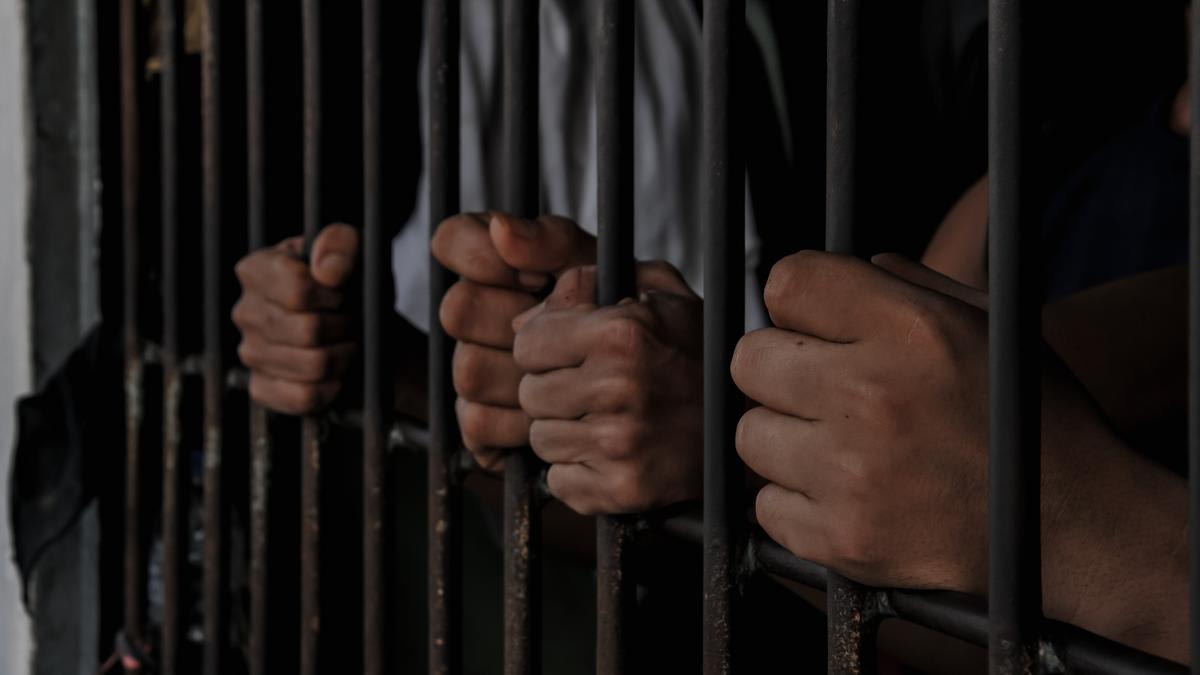
Kozhikode police have arrested three Bangladeshi nationals for residing and working in Kerala using forged Indian identity documents. The arrests followed a public altercation, prompting an investigation into their illegal entry and employment.
Unauthorized Residency and Forgery in Kozhikode
On October 9, 2026, the Kozhikode city police successfully apprehended three Bangladeshi nationals—identified as Roshnara Begum, Papiya, and Rabbi Ripun—who were found to be residing and working in Kerala under false pretenses. The suspects, hailing from the Khulna, Manikganj, and Kishoreganj districts of Bangladesh respectively, had managed to secure employment in local spas by utilizing forged Indian identity documents. This incident underscores the ongoing challenges related to border security and the integrity of identity verification systems in India's migrant-heavy labor sectors.
The Catalyst: A Public Altercation
The discovery of these individuals was not the result of a planned immigration sweep, but rather a reactionary measure following a public disturbance. On October 8, 2026, a physical altercation occurred near a hotel in the Vellayil area of Kozhikode, involving the three suspects and a group of migrant workers. The intensity of this dispute necessitated police intervention. Upon filing a formal complaint, the authorities initiated a standard verification process, which ultimately exposed the fraudulent nature of the suspects' documentation and their illegal status within the country.
The Mechanics of Illegal Immigration
The fact that these individuals were able to procure forged Indian identity documents to secure employment in the service sector highlights a significant vulnerability. By embedding themselves into the local economy—specifically the spa industry—the suspects were able to operate in plain sight. This case serves as a poignant reminder of how easily identity systems can be compromised, allowing foreign nationals to bypass legal immigration channels and integrate into local communities without proper authorization.
Broader Implications for Regional Security
The influx of undocumented foreign nationals into Kerala, a state with high mobility and a significant migrant workforce, poses complex socio-political challenges. While many migrant workers contribute positively to the regional economy, the presence of those using fraudulent identities complicates law enforcement efforts and raises concerns regarding national security. The Medical College Police’s coordinated operation demonstrates the necessity for heightened vigilance and more robust verification protocols for businesses hiring from outside the state or country.
Future Trends and Law Enforcement Responses
Moving forward, it is likely that local authorities will intensify scrutiny of identity documents in the hospitality and service sectors. As Kozhikode police continue their investigation into how these forged documents were acquired, the case may lead to a wider crackdown on illegal trafficking rings that facilitate such identity fraud. Ensuring that businesses conduct rigorous background checks will be critical in preventing further instances of unauthorized residency and protecting the integrity of local labor markets.
Conclusion
The arrest of Roshnara Begum, Papiya, and Rabbi Ripun serves as a stark example of the intersection between labor migration and illegal immigration. By leveraging forged documents, these individuals were able to establish temporary lives in Kerala before their illicit activity was brought to light by a public dispute. The incident highlights the persistent need for technological and administrative improvements in how identity is verified across Indian states to maintain legal compliance and public safety.
Verification Required?