At UN, India slams Pakistan over ‘lies and falsehoods’ on J-K: ‘Continues to abuse UN platform’
Source Entity
Latest News: Todays Latest News Headlines from India & World | Hindustan Times | Hindustan Times
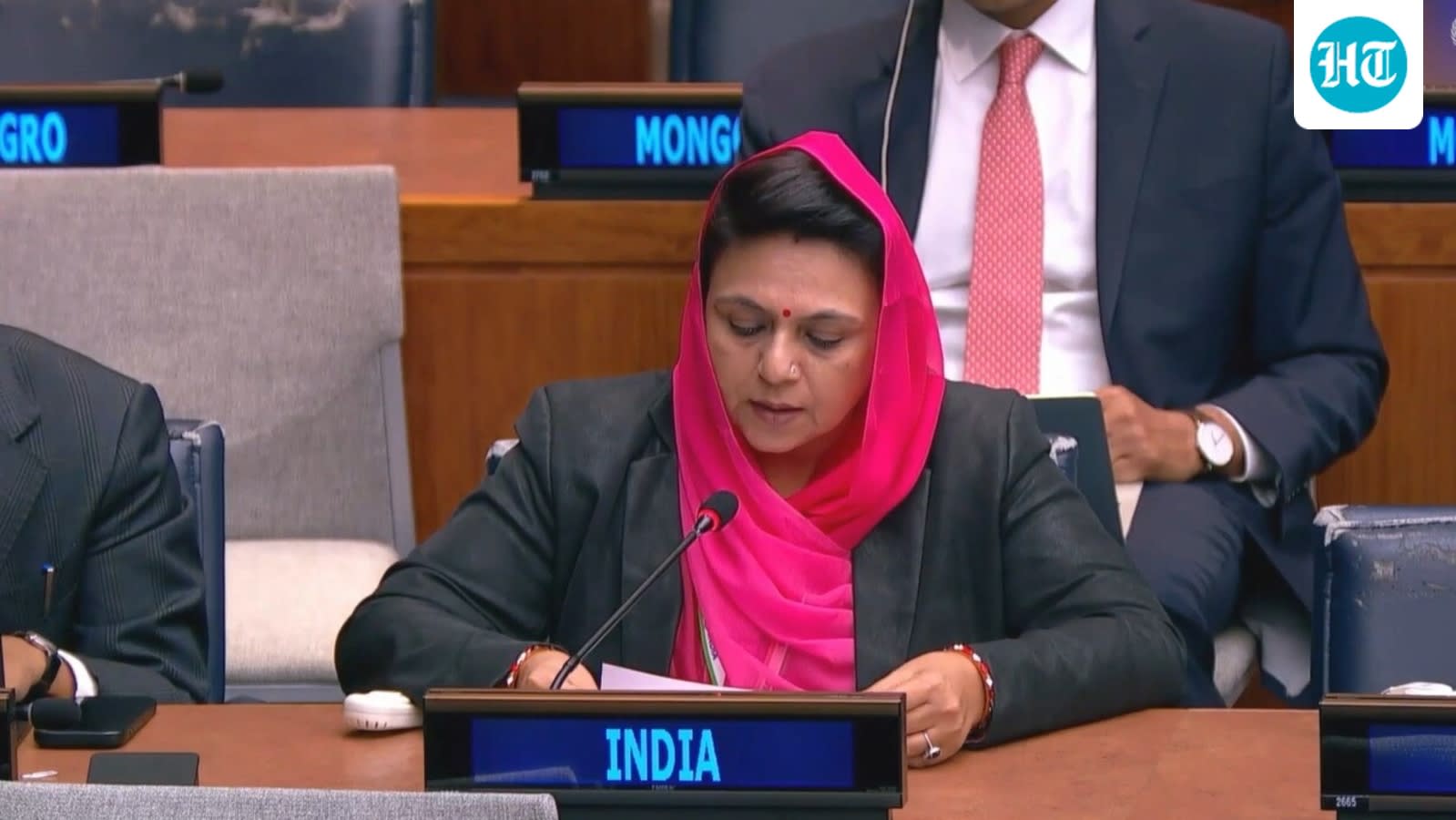
India has strongly condemned Pakistan at the UN for using nuclear weapons as tools of political blackmail and spreading misinformation regarding Jammu and Kashmir. New Delhi asserted it will not yield to such tactics and criticized Islamabad's history of state-sponsored terrorism.
India Confronts Pakistan at the UN Over Nuclear Rhetoric and Misinformation
A Firm Stance Against Nuclear Blackmail
In a significant diplomatic development at the United Nations General Assembly, India has delivered a stern rebuke to Pakistan. Exercising its Right of Reply at the First Committee, which focuses on Disarmament and International Security, India’s representative, Anmol Sher Singh Bedi, explicitly stated that nuclear weapons must not be treated as “routine instruments of statecraft.” This assertion serves as a direct response to what New Delhi perceives as persistent nuclear intimidation tactics emanating from Islamabad.
Rejecting the Weaponization of Diplomacy
India’s message at the UN is clear: it will not bow to nuclear blackmail. By framing the discourse this way, India is attempting to shift the global perception of Pakistan’s nuclear posturing from a legitimate security concern to an act of aggressive political pressure. This diplomatic move highlights India's commitment to maintaining regional stability while refusing to normalize the usage of nuclear threats as a standard component of bilateral diplomatic engagement.
Addressing the Kashmir Narrative
Beyond the nuclear discourse, the UN platform became a battleground for the ongoing dispute over the Union Territory of Jammu and Kashmir. Lok Sabha MP Mahima Kumari Mewar, speaking before the Fourth Committee, accused Pakistan of abusing the UN platform to propagate “lies and falsehoods.” India’s delegation emphasized that these attempts to misrepresent the situation in Jammu and Kashmir are a diversionary tactic used by Islamabad to deflect from its own internal challenges.
Condemnation of State-Sponsored Instability
India’s critique extended to the broader issue of security, specifically targeting Pakistan’s history of military influence and state-sponsored terrorism. Mewar highlighted the suffering of civilians in the region, alleging that Pakistani armed forces and their proxies are responsible for the deaths of innocent people who are seeking basic rights and necessities. This narrative aims to hold Pakistan accountable for regional instability in the eyes of the international community.
Future Diplomatic Implications
This series of confrontations at the UN underscores the deep-seated mistrust that continues to characterize India-Pakistan relations. By raising issues such as the Indus Waters Treaty alongside nuclear proliferation, India is signaling a multi-front diplomatic strategy. Moving forward, it is expected that India will continue to utilize international forums to isolate Pakistan's rhetoric, effectively challenging the legitimacy of Islamabad's claims on the global stage.
Conclusion
Ultimately, India’s firm stance at the UN serves as a warning that any future provocations—whether through nuclear threats or proxy violence—will be met with a resolute and fitting response. By highlighting both the nuclear and human rights dimensions of the conflict, India is successfully framing the narrative to expose what it defines as Pakistan’s misuse of global diplomatic institutions.
Multiple Citing Sources
Verification Required?